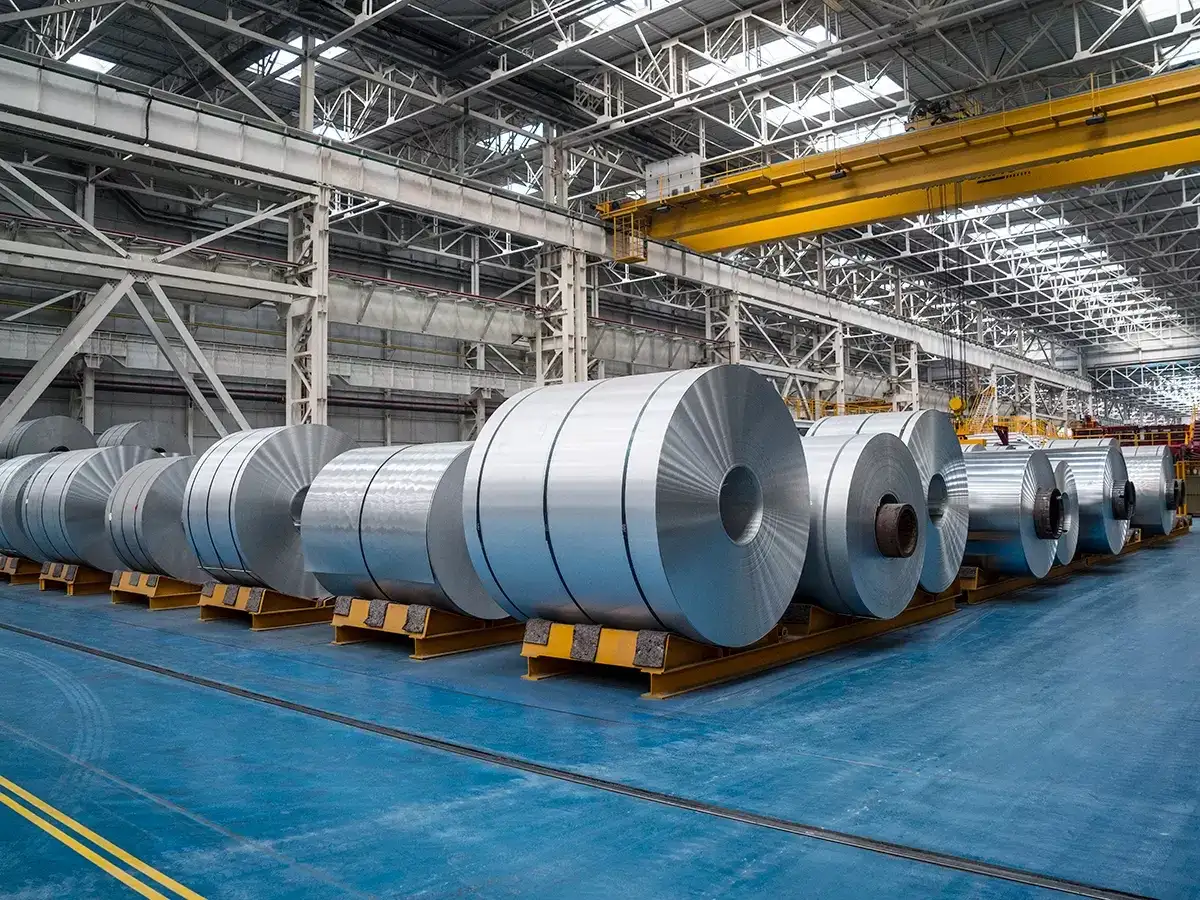
Copper's blistering rally to a record high in 2026 is beginning to reshape how manufacturers think about one of the world's most critical industrial metals. As soaring prices threaten margins, companies are increasingly turning to aluminium, a cheaper and lighter alternative, for applications that have traditionally relied on copper.
The shift comes after copper prices surged to a record high in late January, touching nearly $15,000 per tonne, driven by supply shortages and surging demand from the green-energy transition and data centres. Aluminium, by comparison, trades at roughly a quarter of copper's price, making it an increasingly attractive substitute where technical requirements allow.
The transition is no longer theoretical. Rising copper prices are prompting automakers and manufacturers to expand the use of aluminium wiring as a lower-cost and lighter alternative. Companies such as Ferrari and BMW are already increasing aluminium's adoption across new vehicle models, underscoring how economics and engineering are converging to accelerate substitution.
Also read: Ferrari and BMW join Tesla, China in switch from copper to cheaper aluminium
The move has been driven by a widening price gap between the two metals. The copper-to-aluminium price ratio has climbed above 4.2, making aluminium a significantly more economical option for electrical wiring. Although aluminium offers around 61% of copper's electrical conductivity, its cost allows manufacturers to reduce material pressures by using thicker aluminium cables wherever design requirements permit.
Weight has emerged as another decisive factor, particularly in electric vehicles. Copper is around 3.3 times heavier than aluminium, making the white metal an attractive option for improving vehicle efficiency and extending driving range without compromising functionality.
Ferrari introduced aluminium wiring in its 296 Hybrid sports car last year before extending its use to additional models, including the recently launched Luce electric vehicle. According to the company, the transition has reduced wiring weight by 15 to 20%. Ferrari's Head of Research and Development, Dario Esposito, said the company selected aluminium primarily for its technical advantages and weight reduction rather than its lower cost.
Will the trend last?
Analysts at JPMorgan estimate the ongoing substitution will affect around 2% of global copper demand this year. Under one scenario, that figure could rise to as much as 6% by 2030 as forecasts for copper supply continue to fall short of demand projections for more than a decade.
According to an HDFC Securities report, the commodity bear market between 2011 and 2020 severely damaged the supply pipeline across the resource sector. Mining capex fell more than 40% from peak levels, oil and gas exploration spending stagnated, and ESG-related pressures further restricted new project development. Discoveries of new tier-1 copper, oil and gas deposits have effectively flatlined since 2015.
At the same time, demand has accelerated sharply. Electrification, artificial intelligence, defence spending and emerging market urbanisation are all deeply commodity-intensive trends. Structurally constrained supply, coupled with rigid long-term demand, typically pushes baseline market-clearing prices higher. According to the report, current conditions resemble the early stages of previous multi-year commodity cycles.
Read more: 'Higher-for-longer' aluminium cycle to lift producer stocks
Iran conflict troubles
The Iran conflict has added another layer of pressure to an already strained supply picture. One of the less-discussed drivers behind the recent rally is the growing shortage of sulfuric acid, a key input in copper extraction and refining, particularly in heap leaching operations. Nearly half of the world's seaborne sulfur supply originates from the Middle East, and disruptions around the Strait of Hormuz have significantly tightened availability.
Chile's changing copper production dynamics have further complicated global supply calculations. As the world's largest copper producer, operational disruptions, water scarcity and the absence of major new high-grade discoveries have constrained output growth. This remains a critical variable as global supply chains struggle to keep pace with rising demand for energy transition metals.
Aluminium's own rally
Even as aluminium benefits from copper substitution, the metal is increasingly showing signs of entering a powerful structural bull cycle of its own. According to a Bloomberg report in June, concerns among traders are rising that Chinese aluminium smelters may be asked to curb production as authorities intensify scrutiny of energy consumption and emissions across major industries.
Chinese smelters have been operating at full capacity amid a global supply shortage worsened by the Middle East conflict. Aluminium prices on the LME have climbed steadily since the war began in late February, with supplies from the region disrupted due to the effective blockade of the Strait of Hormuz.
Morgan Stanley said the medium-term demand-supply outlook for aluminium remains constructive, supported by strong sustainability-linked demand and constrained supply growth resulting from China's smelter caps and slower capacity expansion elsewhere.
The brokerage added that near-term factors, including China's supply discipline, disruptions in the Middle East and elevated energy costs, are likely to keep prices firm. It also pointed to favourable positioning on the global cost curve and low inventories outside the US as factors that could limit downside risks.
India push
Analysts also believe India is entering a multi-year growth cycle that is expected to drive robust demand for both aluminium and copper.
Morgan Stanley described aluminium as its preferred base metal, citing a tighter demand-supply balance. Supply growth remains constrained by China's capacity caps, slower ramp-up in Indonesia due to power limitations and limited expansion elsewhere.
Recent disruptions in the Middle East have tightened markets further, with some supply losses likely to persist because of long restart timelines.
(Disclaimer: Recommendations, suggestions, views and opinions given by the experts are their own. These do not represent the views of The Economic Times)