With an ever-changing climate, evolving wildlife and unforeseen diseases, it's no surprise that advice for feeding birds is always changing. This time, experts have shared the new rules for summer bird feeding.
Whether you like to attract birds into your garden to enjoy their birdsong or want to try out sustainable garden ideas, there are so many benefits to having the feathered visitors around. And while feeding them is somewhat simple, it is important to stay up to date with the recommended guidelines and advice from charities like the RSPB.
Recently, with an increase in a highly contagious disease named trichomonosis, bird charities and experts have warned people against filling bird feeders during the summer.
New advice on feeding birds during summer
It can be hard to know what you should and shouldn't feed wildlife, especially when the advice changes throughout the seasons and sometimes even over the years. Take the new guidance on using flat-top bird feeders that came out just a couple of months ago.
The latest advice discusses how you should be feeding birds during the summer months, and how a consistent increase in disease is changing what we thought previously.
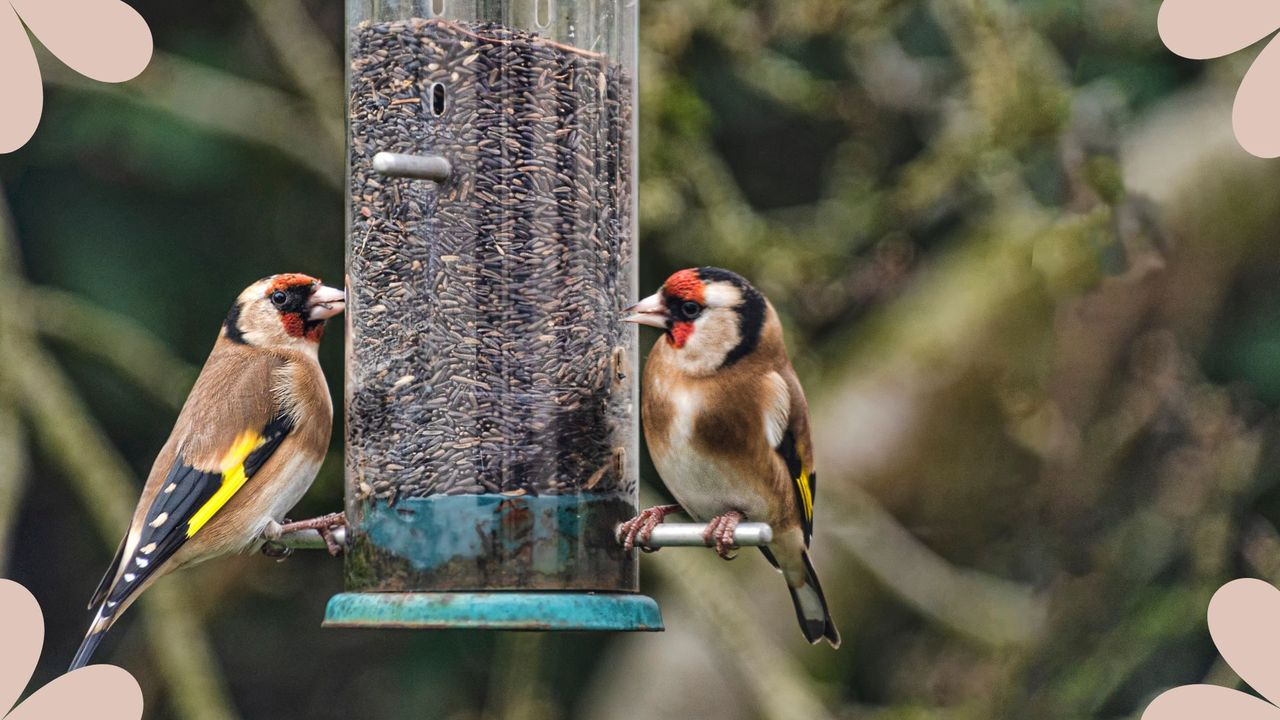
"Research has shown a worrying decline in some of our much-loved garden birds due to a disease called trichomonosis. This is a highly contagious disease and can spread where birds gather in large numbers, such as at bird feeders," explains the RSPB on their site.
Luckily, there are still ways you can fill your garden with life and keep the birds safe, happy and fed.
"During summer and autumn, there’s a higher risk of disease spreading. But it’s also when there are more natural foods available to birds, such as seeds and insects," explains the RSPB.
They say that between the beginning of May and the end of October, you should pause filling your bird feeders with seeds or peanuts. But you can still provide small amounts of mealworms, fatballs or suet.
Then, when November rolls around your can start filling your feeders with seeds and peanuts again. Stopping only at the end of April.
Give your garden birds small amounts of their favourite snack with this large bag of dried mealworms. There's enough to last you the entire summer and will have your garden filled with feathered friends.
If you want to attract birds to your garden to help with slugs and the overall ecosystem, there are other precautions you should be taking to keep your feeding station as safe as possible.
Start with cleaning your bird feeders and water baths weekly, and make sure you're moving your bird feeders around your garden if possible. This will stop any build-up of fallen food, which can become contaminated.
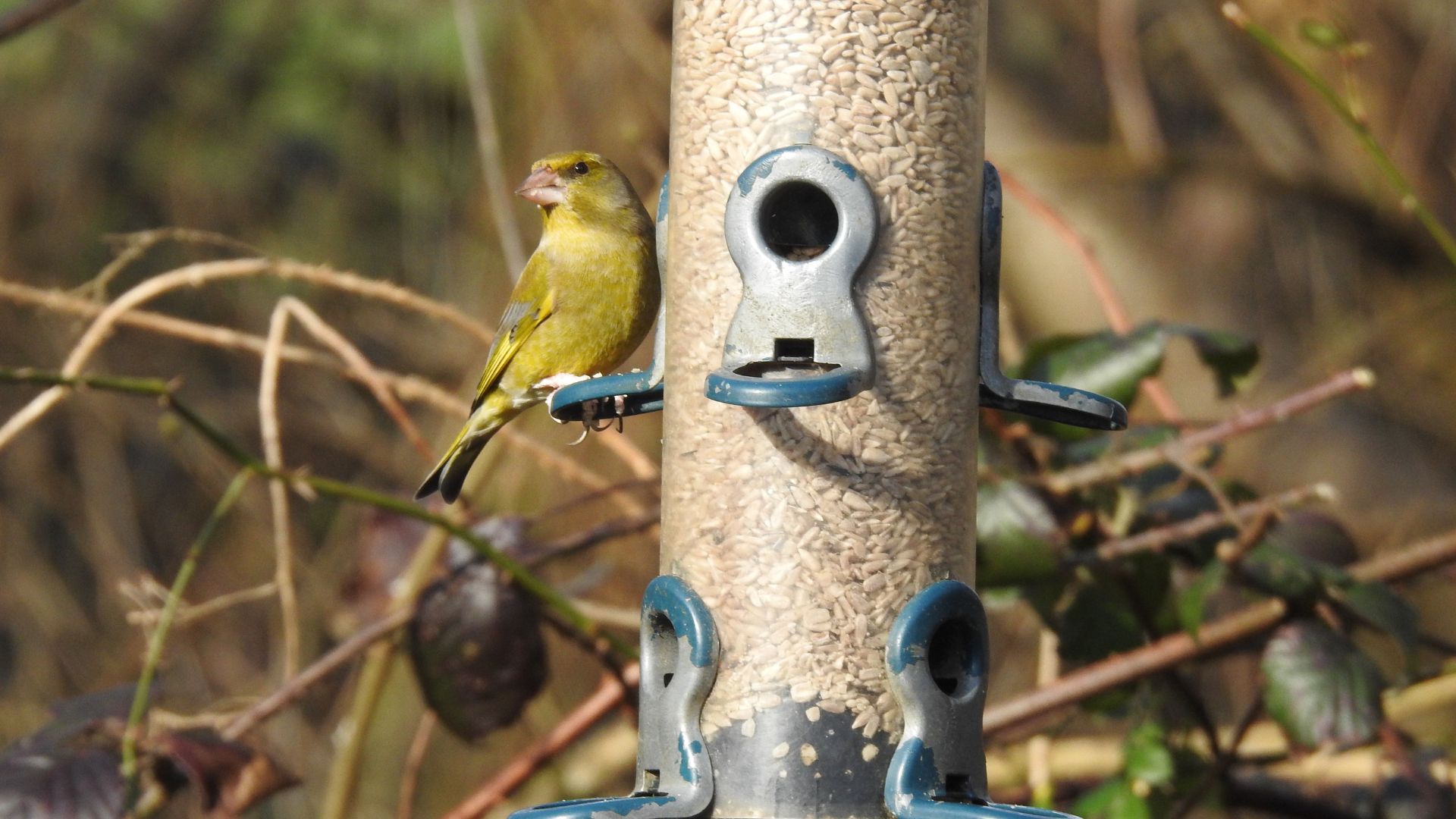
Even having multiple feeders can help, as they reduce the risk of species mixing and of too many birds congregating in one spot at the same time. Which inevitably can spread diseases even more quickly.
The best way to provide for birds in your garden is to choose plants that can become natural food for them. That way, they're still working to find their own food, and it's automatically seasonal feeding for them.
Aside from that, always make sure you're checking the latest advice from trusted sources and staying up to date on potential risks at that time of year.
To make wildlife feeding even easier, there are some weeds that you shouldn't get rid of as they are a natural food source for birds and other native animals.