
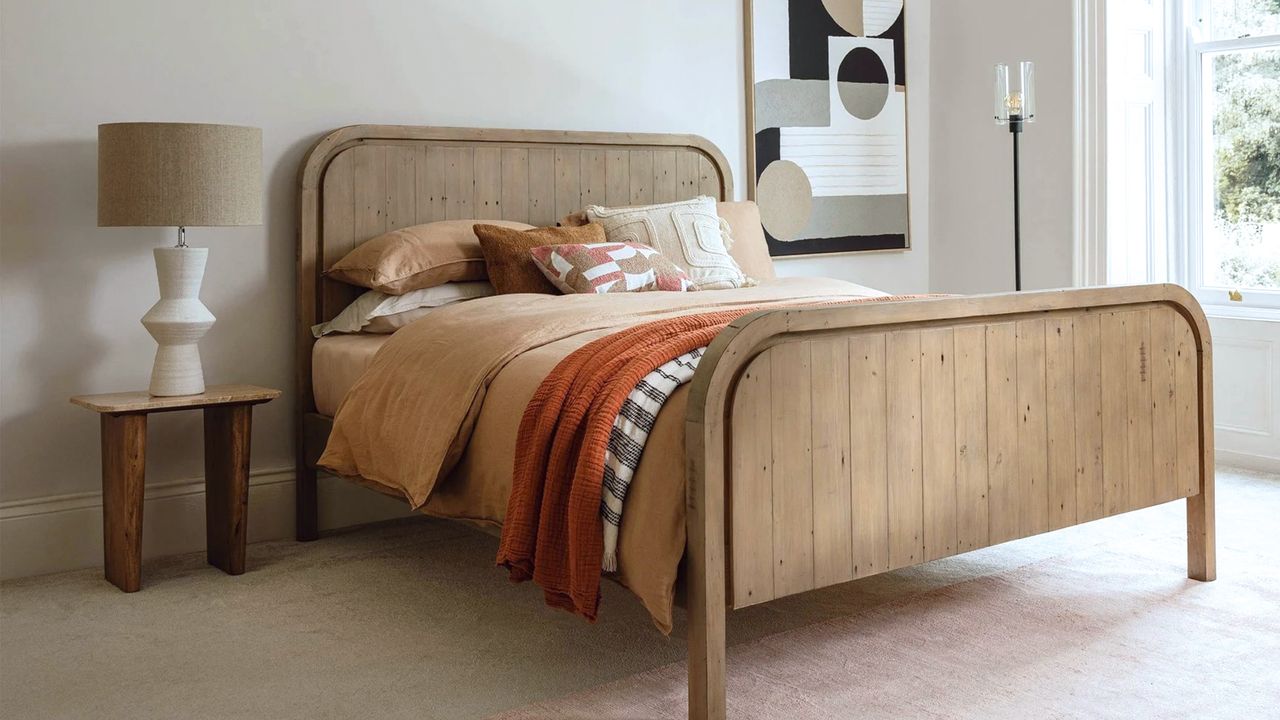
Warm summer evenings are made for open windows, but they're also when outside noise tends to be at its loudest. Late-night garden gatherings, children playing outside, or bass from a nearby speaker can quickly leave you wanting to block the sound of noisy neighbours from your bedroom.
The good news is that you don't need to invest in a huge renovation to soundproof your bedroom and help you sleep better. 'Even quiet sound from next door stops your brain switching off properly,' explains Ben Hancock, managing director of Oscar Acoustics. 'Bedrooms feel worse because we expect peace there. The daytime hum is gone, so every creak or thud upstairs lands harder.'
From strategic furniture placement to simple upgrades that absorb sound, these expert-approved fixes can help block out neighbour noise and create a more restful sleep space.
1. Seal gaps around doors and windows
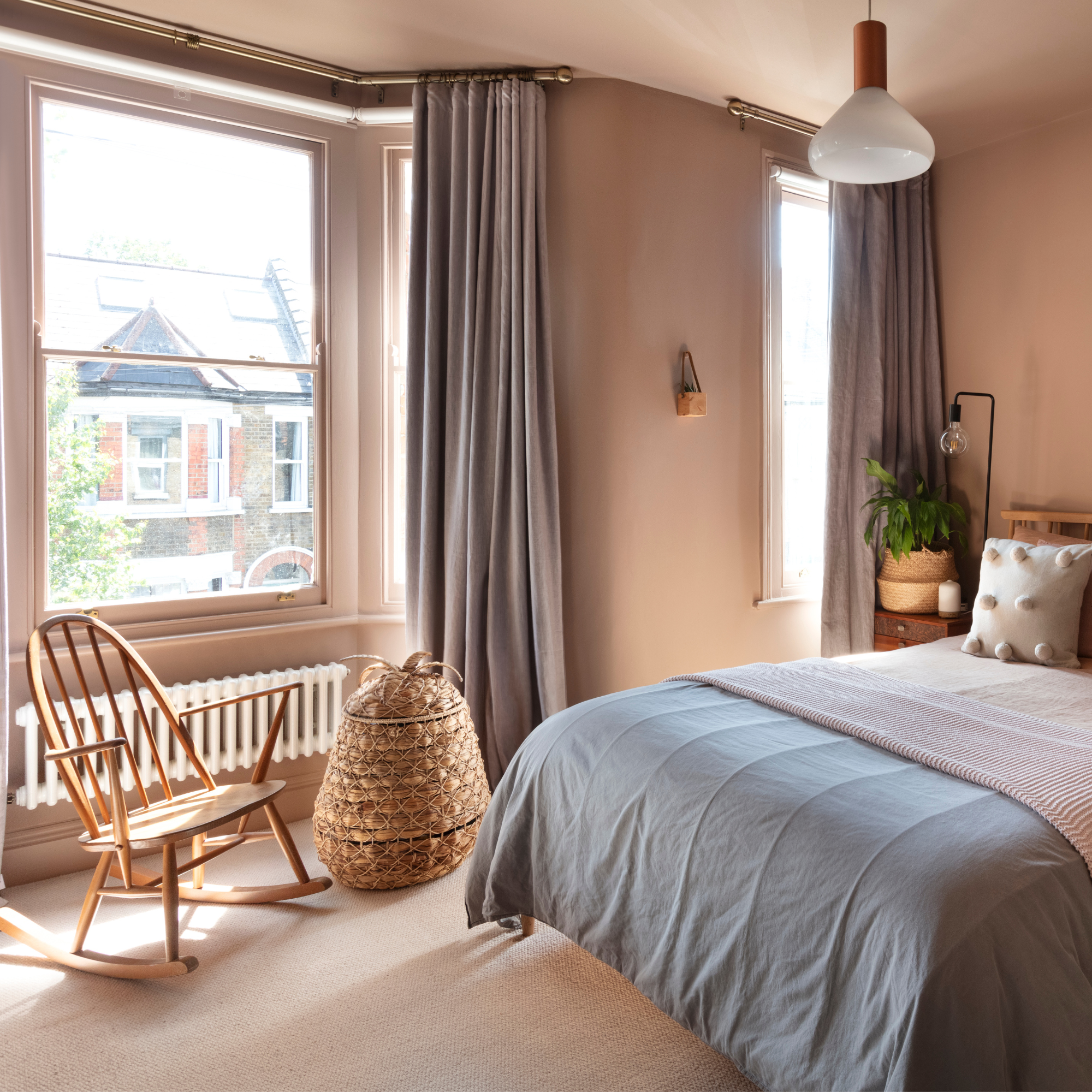
One thing you shouldn't do, says Ben, is treat only one surface when trying to block out unwanted noise.
'Sound behaves like water, it pours through any opening,' he says. A gap under the bedroom door, poorly fitted window frames or spaces around skirting boards can let in a surprising amount of airborne noise - the sound of the TV, the radio and neighbours' voices - even when everything appears shut.
Ben is clear on where to start. 'Seal every gap. Acoustic sealant or draught excluders around doors and skirting will cut airborne noise.'
In practice, this means working around the room methodically. As well as using draught excluders around doors, draught-proofing your windows can help reduce gaps that let sound travel indoors. A brush-style or rubber door sweep tackles gaps at the bottom of the door.
For small cracks around skirting boards or window frames, acoustic sealant is worth choosing over standard filler because it stays flexible and won't crack over time.
2. Layer your windows with heavy curtains
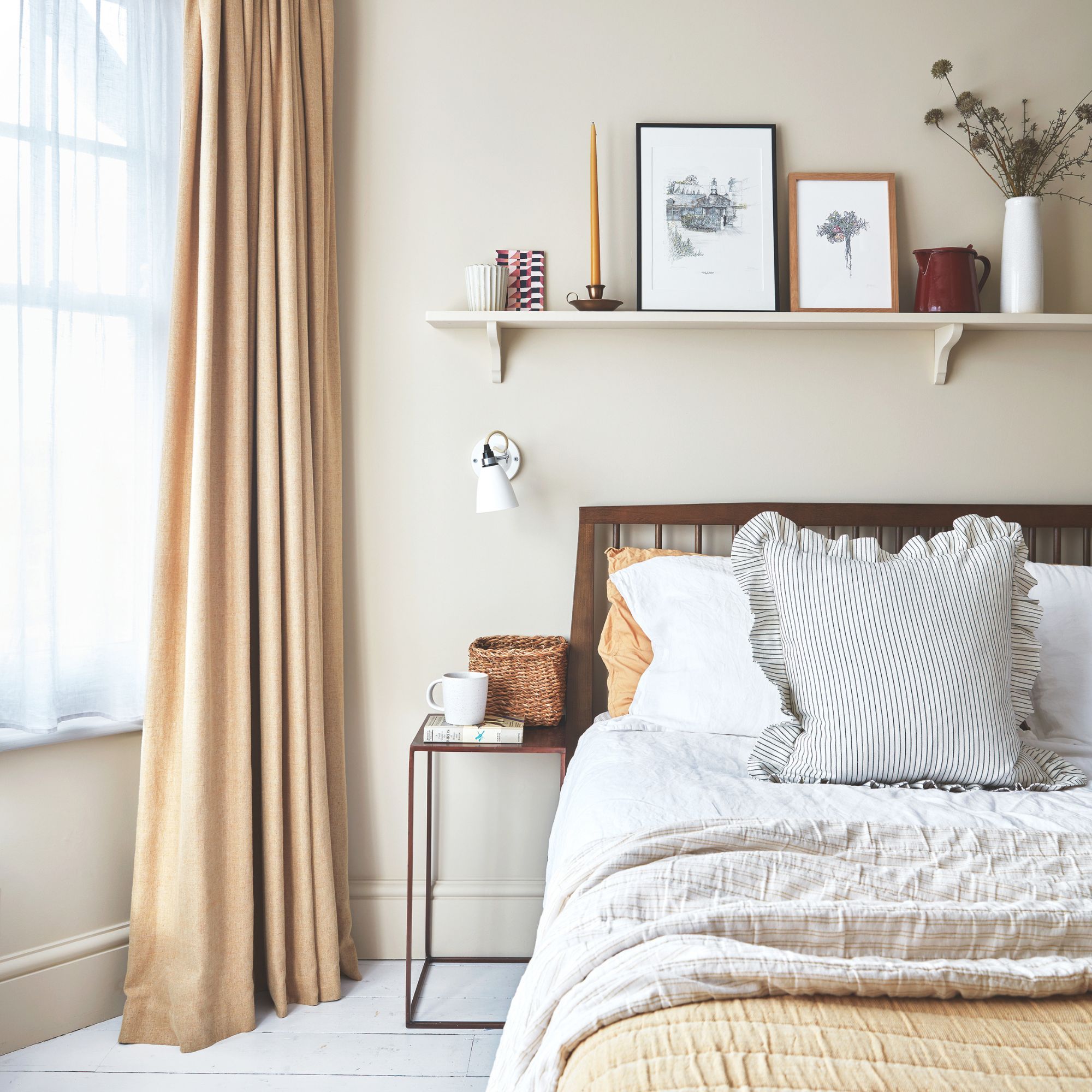
If outside noise is disturbing your sleep, your windows are often the first place to look. While shutting them can help reduce the sound of neighbours chatting in the garden or hosting a late-night gathering, your bedroom curtain ideas can make a surprising difference.
'One of the most effective budget-friendly updates is adding heavier curtains, particularly if you currently have blinds or lightweight window dressings,' advises Martha Ferreira, interior designer at built-to-rent neighbourhood, Present Made.
Look for dense, lined fabrics, such as velvet, thermal-lined curtains or heavyweight woven material. 'Soft, dense materials are your best allies when it comes to sound absorption,' says Martha. 'They help to create a bedroom that feels noticeably calmer and quieter.'
If replacing your curtains isn't an option, adding a thermal or blackout blind can also help.
3. Use upholstered furniture and textiles to soften shared walls

Hard, bare surfaces such as painted walls, wood floors and large mirrors reflect sound rather than absorb it, which can make any noise from next door seem louder and more noticeable.
When designing a quieter bedroom, Martha says she focuses on creating layers between the sleeper and the source of the noise.
'Upholstered headboards, full-height curtains, large rugs, and well-filled bookshelves can all help soften sound within the room,' she says.
Ben echoes this. 'Heavy soft furnishings, like thick rugs, a padded headboard or a bookcase packed with books along a shared wall, can cut airborne noise.'
4. Rearrange your layout to create distance between you and the noise

This is the fix that often costs nothing but can be easily overlooked. If your bed is pushed against a wall shared with your neighbour, you're sleeping as close as possible to the source of the problem.
'Positioning the bed away from a shared wall where possible can make a noticeable difference,' Martha points out. 'The goal isn't necessarily to eliminate every sound, but to create an environment that feels calmer.'
Placing a large wardrobe, chest of drawers or bookcase against a shared wall before repositioning the bed can also help. Large, solid furniture pieces create an extra layer between you and the source of the noise.
5. Mask disruptive sounds while you sleep
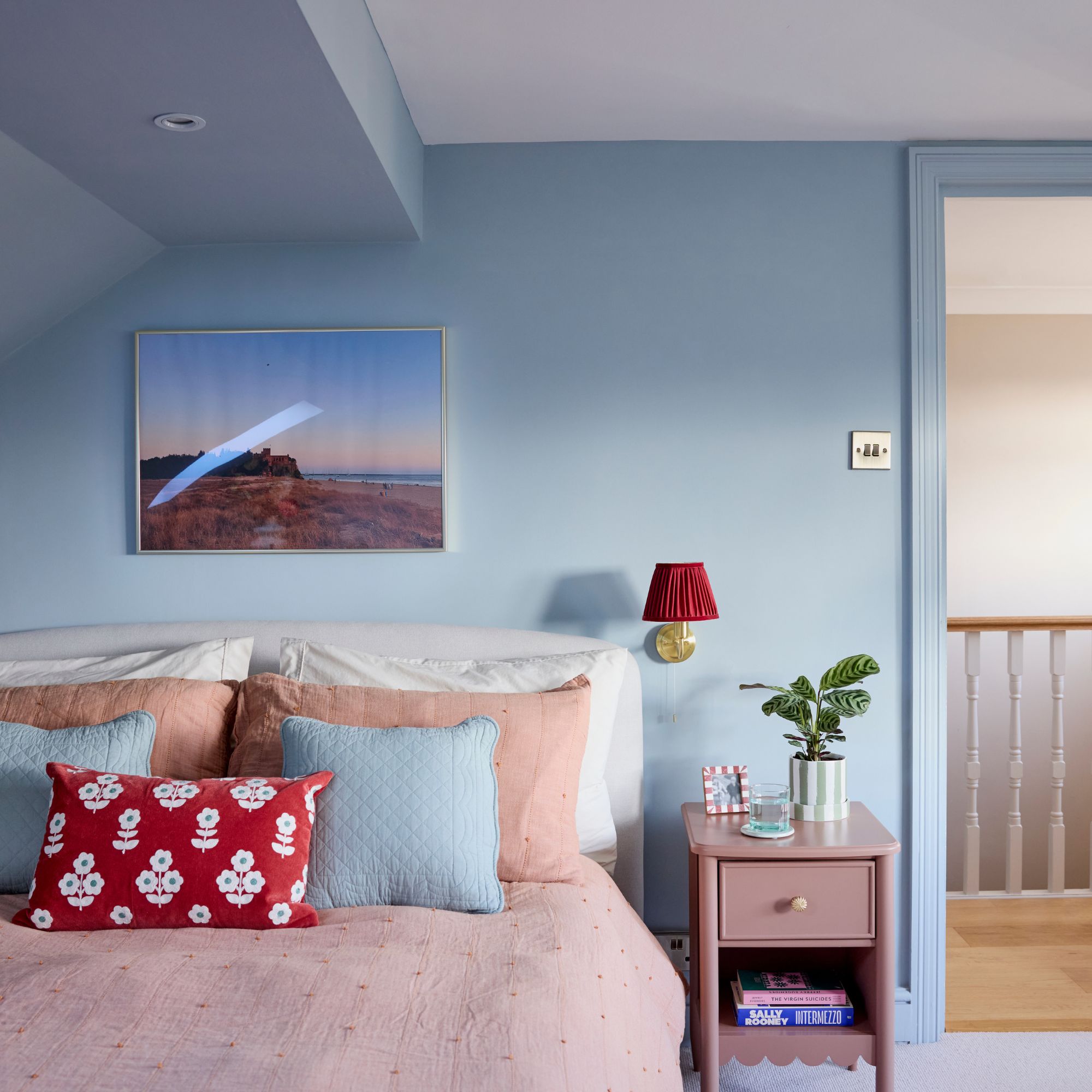
Even with all the above in place, some noise will inevitably find its way through the walls and into your bedroom. While a white noise machine won't stop sound travelling through walls or floors, it can be surprisingly effective at disguising low-level disturbances such as distant TVs and muffled conversations.
'A fan or white noise machine masks low-level hum,' says Ben. A dedicated sound machine, like the Dreamegg available on Amazon, offers more consistent, non-looping audio than a phone app - with many including multiple sound options, from fan noise to rain. Alternatively, the best bedside fan serves a dual purpose in the summer; it keeps the room cooler while producing a gentle, consistent background noise.
What to buy
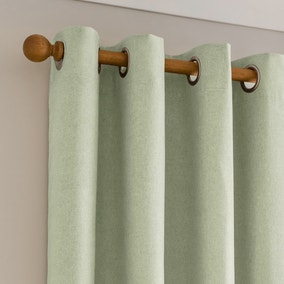
Dense, lined curtains that hang from ceiling height and extend beyond the window frame on both sides will make a noticeable difference to how much airborne noise gets through.
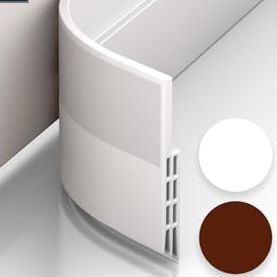
A door draught excluder is one of the easiest and most affordable fixes for cutting airborne noise.

A large (the bigger, the better) thick wool rug paired with a felt underlay absorbs sound and reduces echo in hard floored bedrooms.
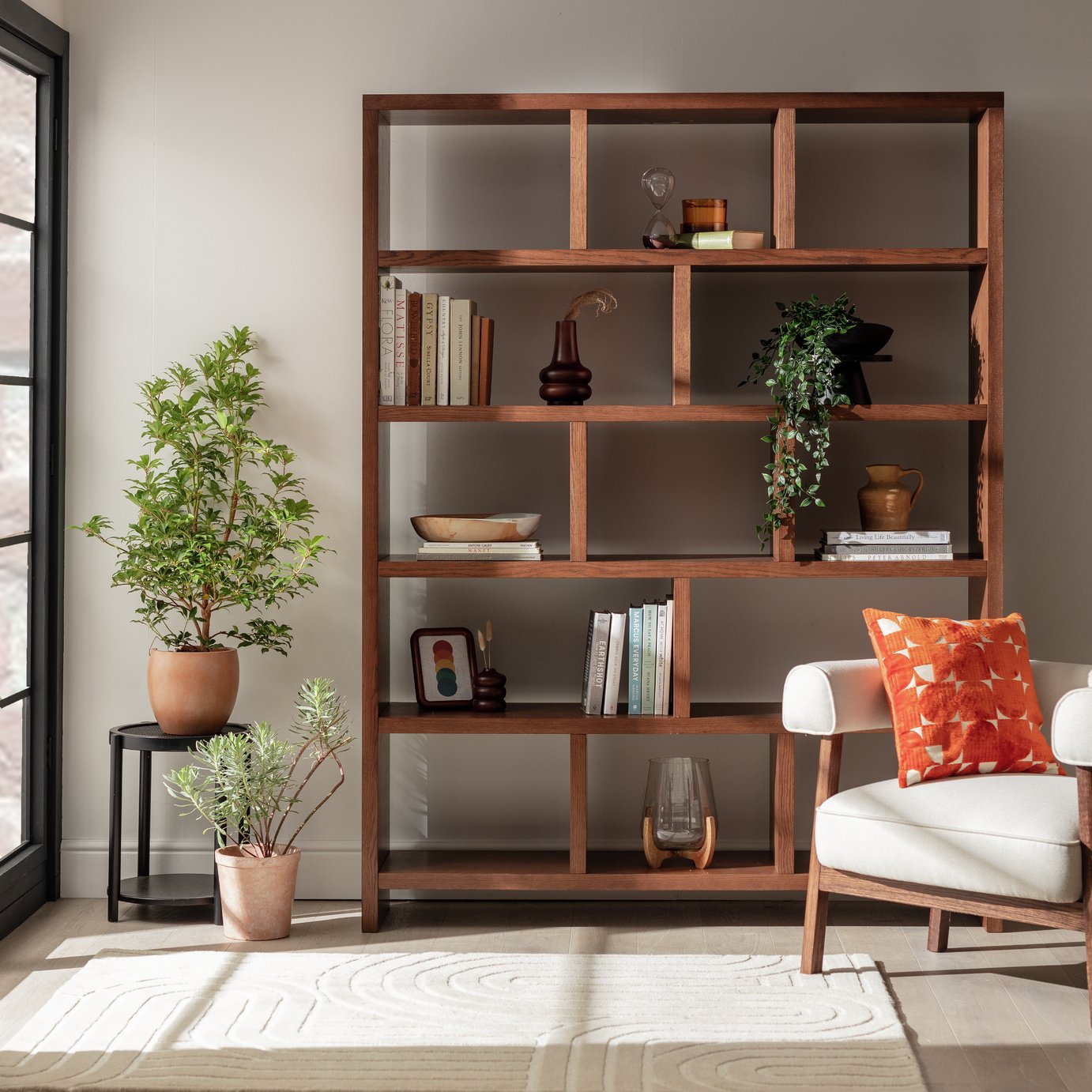
Packed with books along a shared wall, a bookcase is one of the most underrated acoustic buffers around. This Habitat find creates a huge statement and is a clever way to absorb sound surprisingly effectively.

A dedicated sound machine with multiple non-looping options - from fan noise to rain - can be an effective way to mask outside noise.
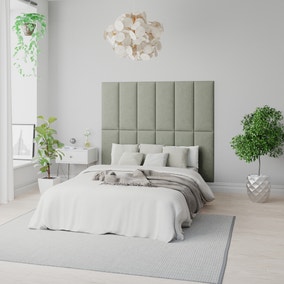
Mounting a few of these wall panels, from Dunelm, against a shared wall will give you a traditional headboard, while also helping to soften sound travelling into the room.
Even just tackling one or two of these fixes can help block the sound of noisy neighbours from your bedroom, and make a noticeable difference to how peaceful your bedroom feels.