The decision to prescribe a weight loss jab for preventing heart attacks and strokes has been hailed by experts as a "major turning point in the battle against obesity".
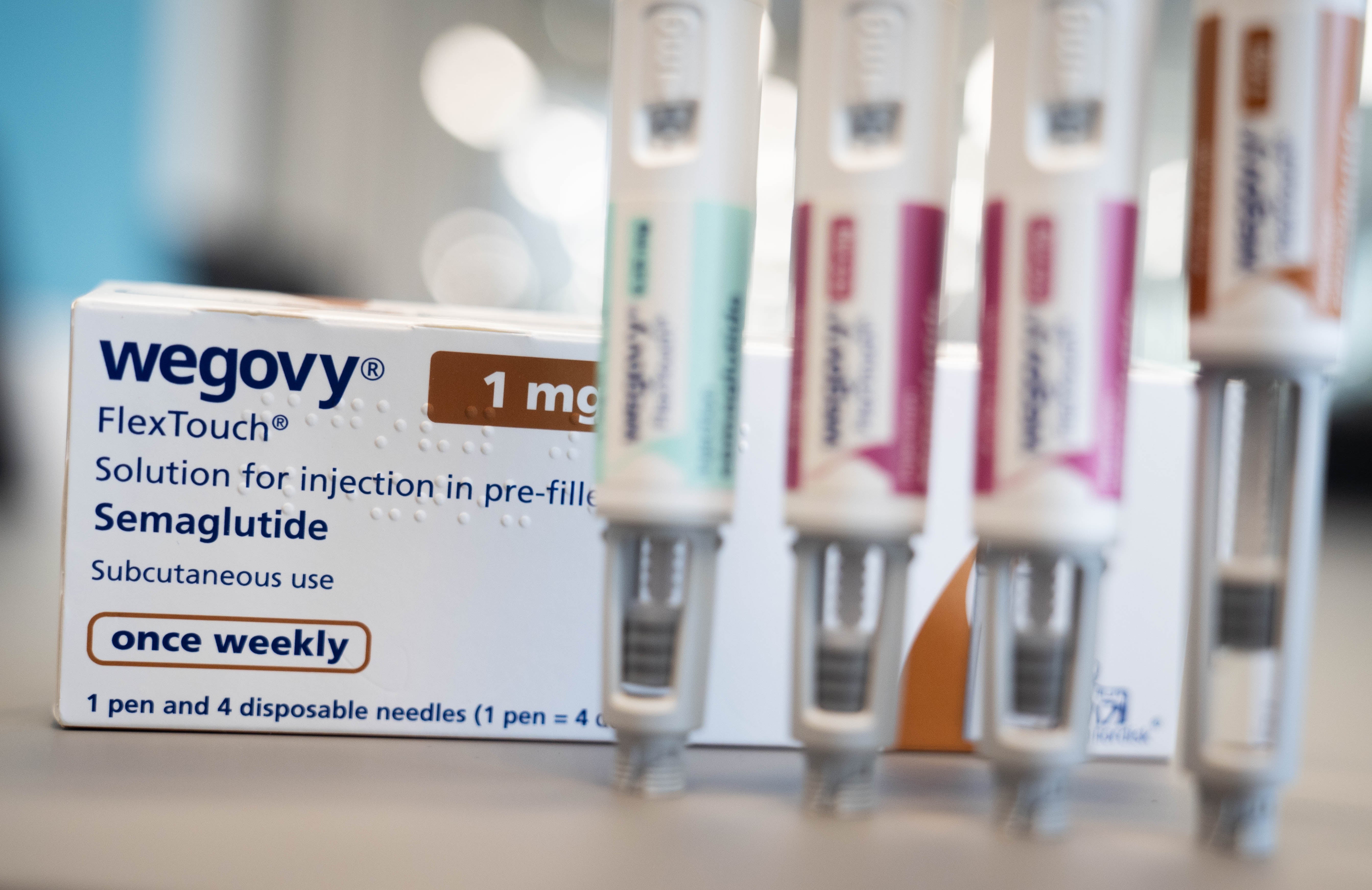
Wegovy can now be prescribed for weight loss or to help reduce the risk of major cardiovascular events.
Academics said that the decision will help reduce the risk of disease, and has the potential to reduce health inequalities, as they urged local health bodies to ensure that there is not a postcode lottery in care when the drugs are rolled out in the summer.
But they also urged prescribers to ensure the benefit is “balanced against the risk of side effects”, highlighting that GLP-1 receptor agonist drugs can reduce muscle mass as well as fat.
As a result, people who take them should also engage in physical activity such as resistance training, which may not be feasible in frail patients, experts said.
It comes as the NHS’s spending watchdog, the National Institute for Health and Care Excellence (Nice), has given the green light to giving semaglutide to overweight and obese patients living with certain heart and circulatory conditions to cut their risk of a major cardiovascular event.
Commenting on the news, Naveed Sattar, professor of cardiometabolic medicine at the University of Glasgow, said: “We now have medicines that not only reduce heart attacks, strokes, and peripheral arterial disease, but also simultaneously lead to meaningful weight loss – which in turn lowers the risk of many weight-related conditions.
“These treatments also improve patients’ quality of life in a meaningful way, making this a genuine win–win.
“Given that so many people living with cardiovascular disease also struggle with excess weight, it’s no longer sufficient to focus solely on lipids and blood pressure.
“We must also address weight directly if we want to deliver the best possible outcomes for our patients.
“This new guidance on semaglutide enables exactly that, and represents another major turning point in the battle against obesity.
Robert Storey, professor of cardiology at the University of Sheffield, said: “Prescribing of semaglutide needs to be appropriately targeted since GLP-1 drugs can reduce muscle mass as well as fat so physical activity, such as resistance training, is important to counteract potential negative effects on muscle strength, which may not be feasible in frail people.
“The benefits also need to be balanced against the risk of side effects.
“These issues and the need for training people to inject the drug as well as ongoing monitoring and prescribing requires the allocation of NHS resources to ensure the benefits of this Nice guidance can be fully realised.”

Riyaz Patel, professor of cardiology at UCL, said health leaders needed to address how the drug will be delivered and the capacity within the health system to do so, adding: “We know, for example, that other highly beneficial drugs like inclisiran, for cholesterol lowering have been variably delivered leading to significant postcode lotteries.
“ICBs (integrated care boards) must ensure this does not happen with this Nice TA (technology appraisal), else we risk exacerbating health inequalities, when if anything, this should be a powerful tool to reduce health inequality.
“Overall, a really exciting development, for patients and doctors, giving us another powerful tool to reduce cardiovascular disease risk.”
Huw Edwards, chief executive of ukactive, said: “This measure is a significant step forward in tackling obesity and reducing the risk of serious cardiovascular disease and it highlights the growing role that medications like semaglutide can play in improving people’s health.
“But while the impact of GLP-1 medications can be transformative, they are not a standalone solution and evidence shows that without physical activity, particularly strength training, patients risk losing muscle mass, which can undermine long-term health outcomes.
“To ensure sustainable results for people taking these medications, treatment should be combined with structured physical activity and wider lifestyle support.”
More than one million people to get weight loss drugs to prevent heart attacks
Drug giant launches discounts of up to nearly 30% in new Wegovy subscription plan
The common taping method found to have ‘little to no effect’ on injury
Urgent plea for baby Ronnie diagnosed with rare condition just before first birthday
Hundreds of hospitals across the US threatened by Medicaid cuts, report says
Hardest hit being left behind as Kenya rolls out HIV prevention jab, charity says