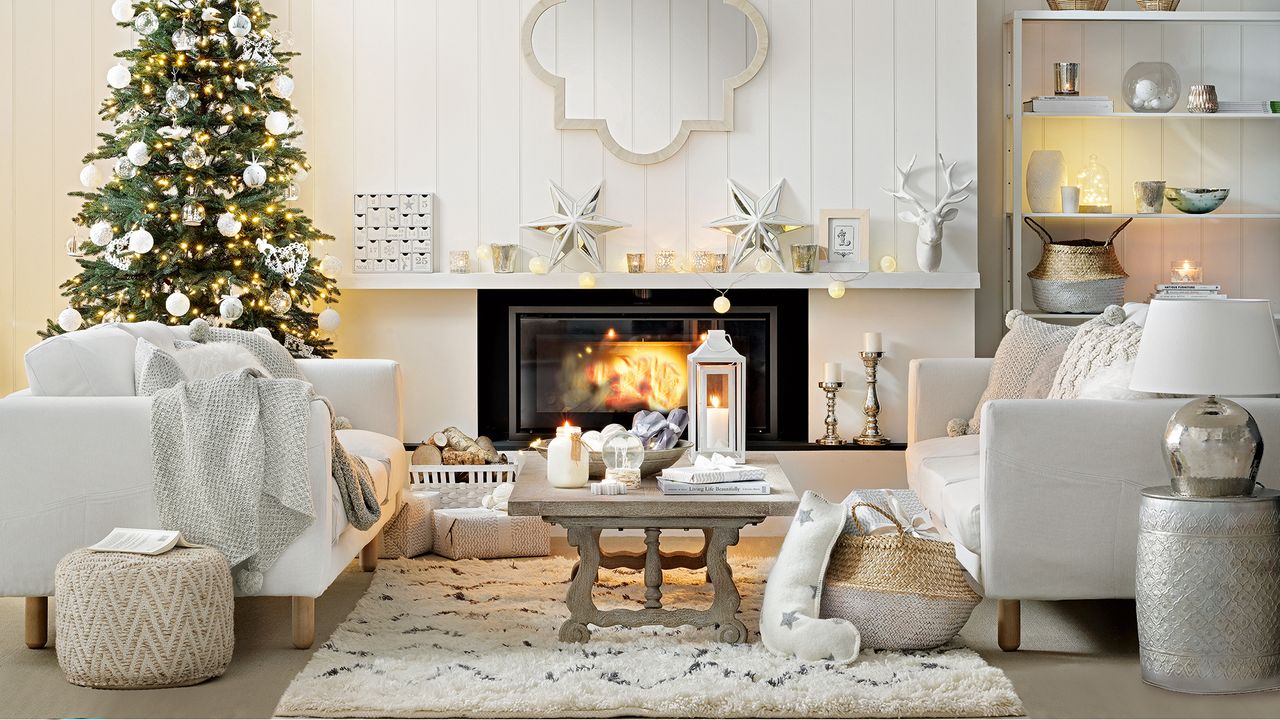
The festivities are fast approaching, which means there's a desperate need to know how to add extra seating to your living room without making it feel crowded.
Hosting family and friends at Christmas, or at any time of year, can come with its own challenges. Beyond serving enough food and drinks to keep everyone satisfied, having space for everyone to sit is a high priority. Especially if your living room is on the smaller side and the list of people coming over grows year by year. The good news is that you can allocate extra seating space in your living room without turning it into a cluttered and crowded space.
Small living room layout rules help, as does decluttering the living room to create space you didn't know you had. And for an extra helping hand, I reached out to interior experts to find out their best tips for incorporating additional seating into the living room this Christmas.
How to add extra seating to your living room without making it feel overcrowded
It's a busy time of year, and a lot of hosting activity unfolds in the living room, which is why getting the seating sorted early on is key. Having enough seats for everyone - without creating an overcrowded space - will make your guests more comfortable, and hosting more enjoyable as a result. Here are six expert-approved tips that will help to you get there.
1. Start with a good declutter
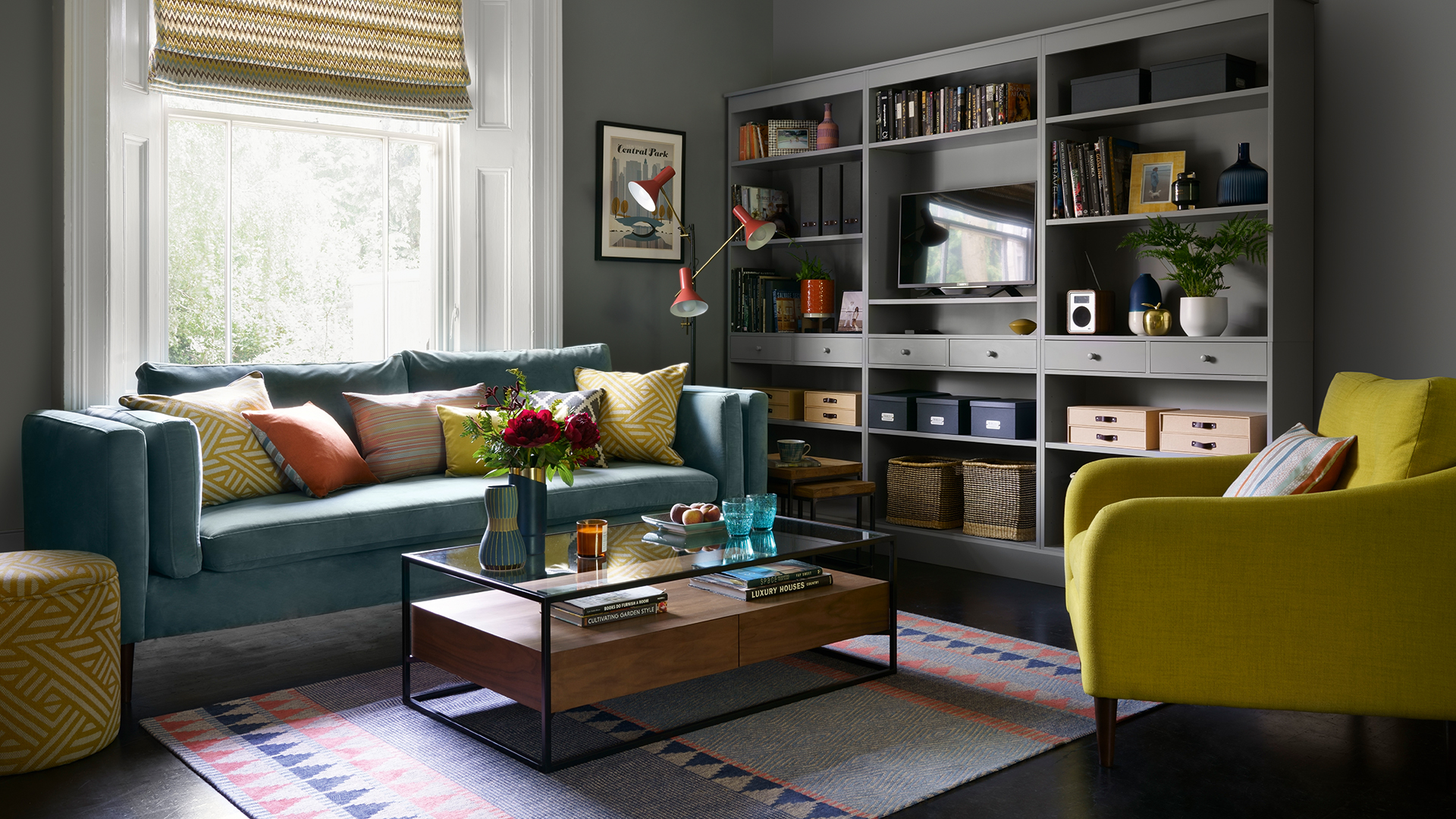
It's tempting to skip this step, but it will make the biggest difference – especially in smaller living rooms. Before bringing anything in, remove what you can to free up space for additional seating.
If you're a decluttering procrastinator, try the one-touch tidying rule; it will force you to make snap decisions and speed the process up.
Prioritise the things you can remove from your living room that will create the most space, whether it's decor you've fallen out of love with, paper clutter, or folded piles of laundry you've been meaning to put away for a week.
Now's also a good time to declutter the things that cause damp, if this is a problem in your living area. When you've finished, you'll have a lot more space to play with and bringing in additional seating will be much easier.
2. Figure out how much extra seating you need
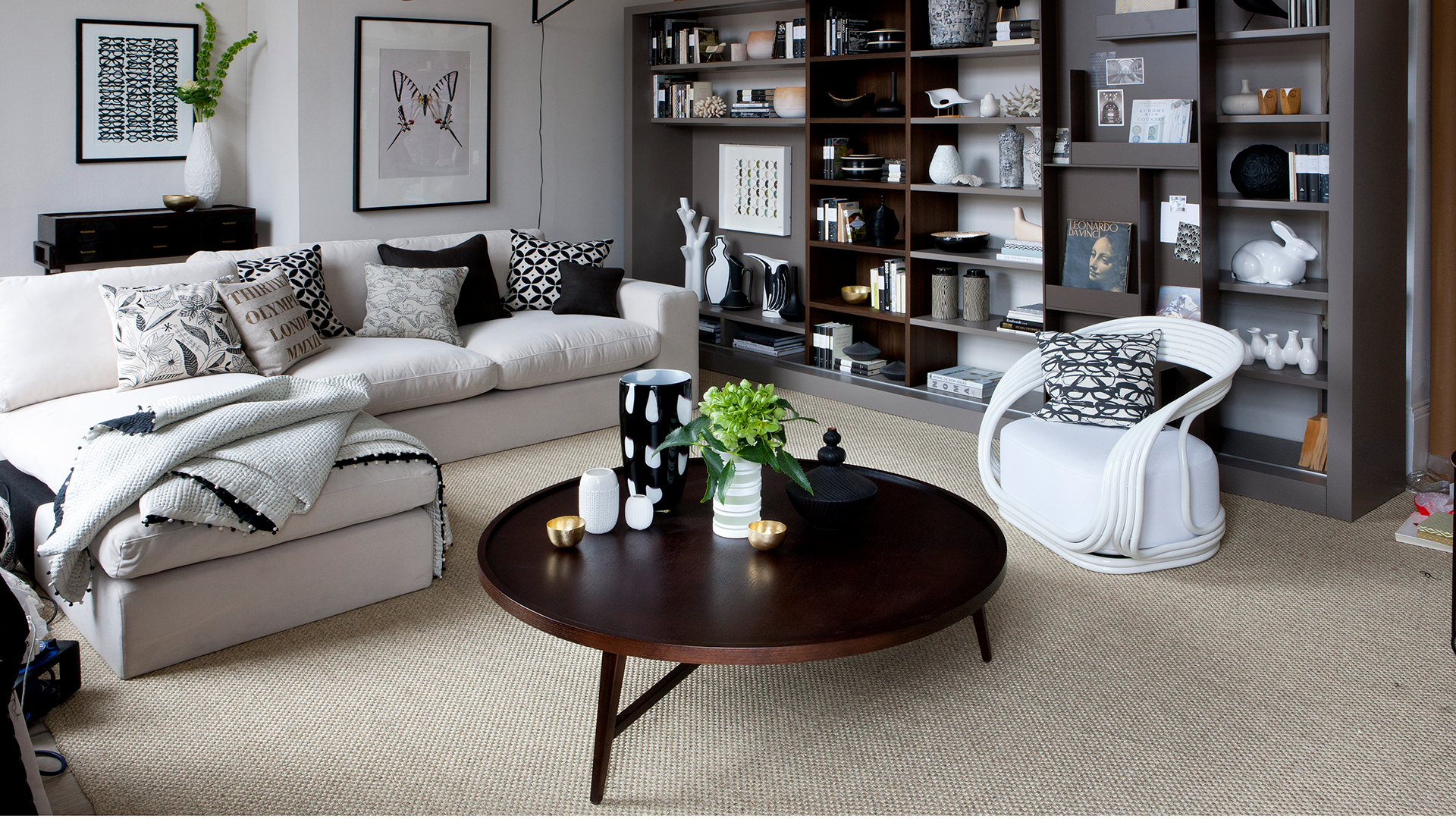
Surprisingly, we can sometimes overestimate how much seating we'll need and bring in extra, which is a surefire way to make your living room more crowded than it needs to be.
"You should start by considering the number of people using the space daily, then account for the additional numbers you may need to seat when you have guests," advises Megan Holloway, Founder and Creative Director of interiors emporium Maro Home.
"Use this as a guide to how much seating you actually need. As a rule of thumb, a family room should generally seat at least six to eight comfortably."
Once you've got a rough idea, you can plan how much extra seating you need. And in case there are any unexpected guests, allow for one or two additional places.
3. Prioritise compact seating
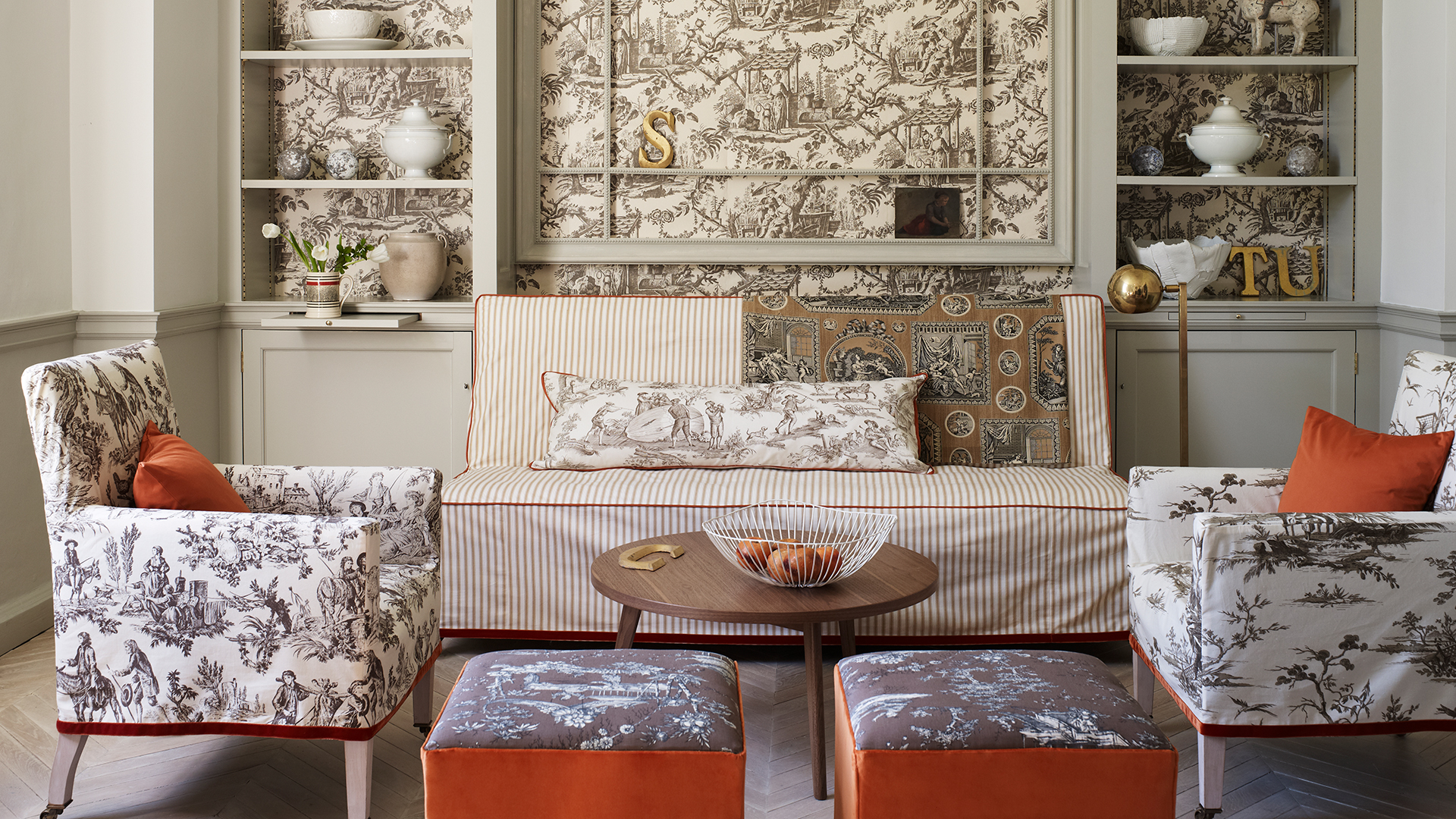
Knowing how to add extra seating to your living room without making it feel crowded is all about making smart furniture choices. Prioritise compact seating so you can use the space you have wisely.
"Compact seating such as low‑profile armchairs, slim benches, pouffes, ottomans and multifunctional stools are designed to tuck into corners, under windows or beside sofas, giving guests a comfortable perch without overwhelming the room," says Anushka Mahanti, Co-Founder of furniture experts FableRoom. "These pieces lean into relaxed, laid‑back living while keeping footprints and price tags small."
Think about bringing in pieces that provide seats without taking up heaps of space. Sofas, for instance, will provide the most seating, but they'll also take up the most space, whereas low-profile armchairs and storage benches will make use of small or awkward spaces.
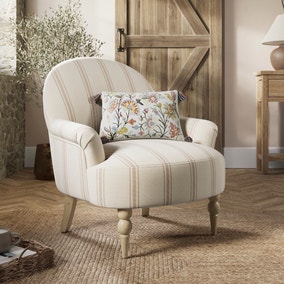
I have this chair from Dunelm and it's easily one of my favourite pieces of furniture. Pop it in the living room for an additional comfy seat for your guests.
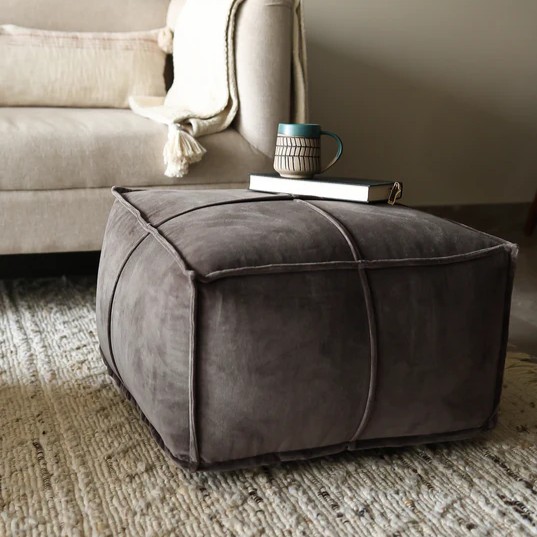
I love this pouffe! It would suit a range of interior styles and could easily sit a couple of people on. There's also a pretty beige colourway.
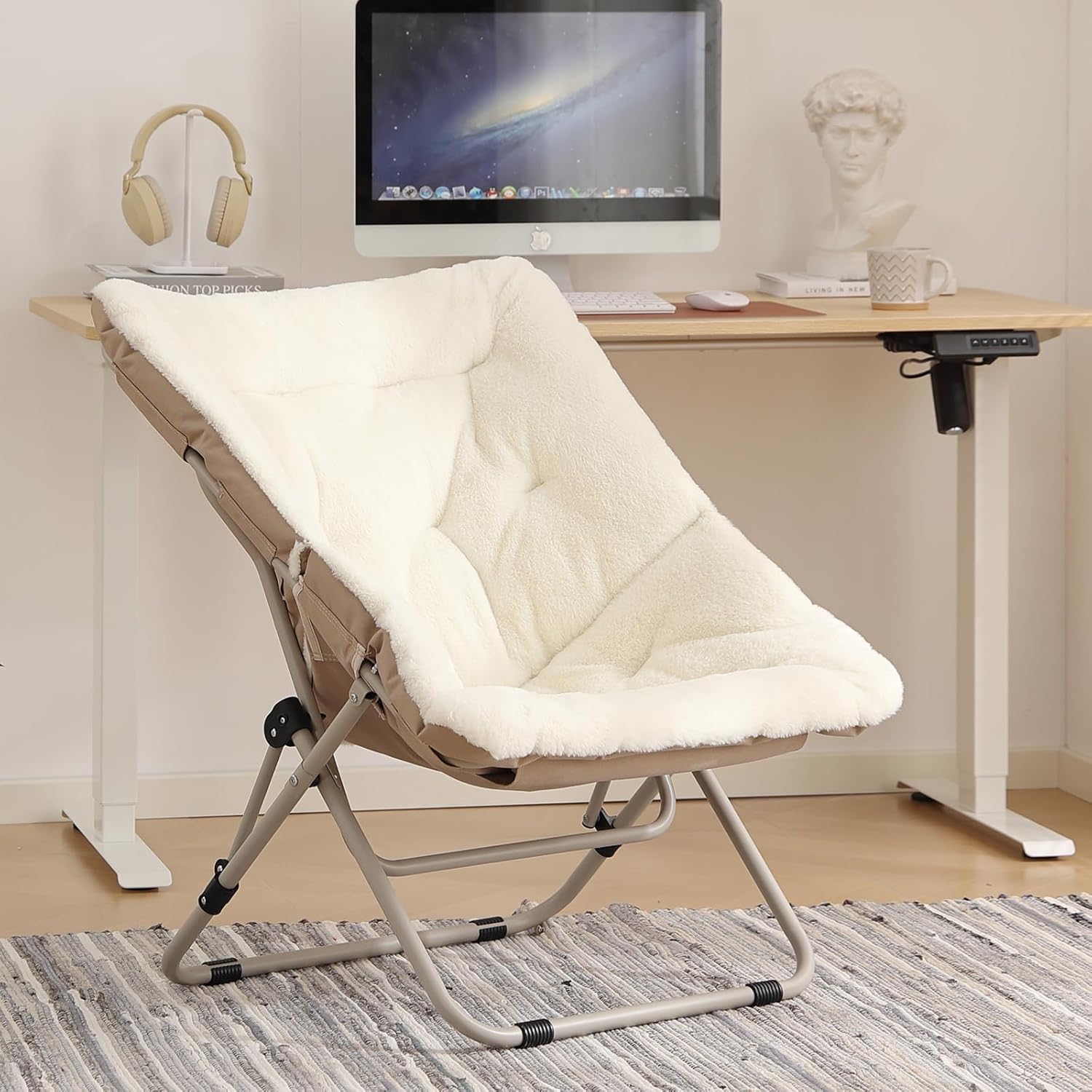
This comfy, oversized folding chair is a great way to bring in extra seating to the living room. Unlike a hard dining chair, this alternative is lined with a cosy faux fur lining to make it far more inviting. Once Christmas is over, you can simply fold it away until the next time you are hosting.
4. Take advantage of floor space
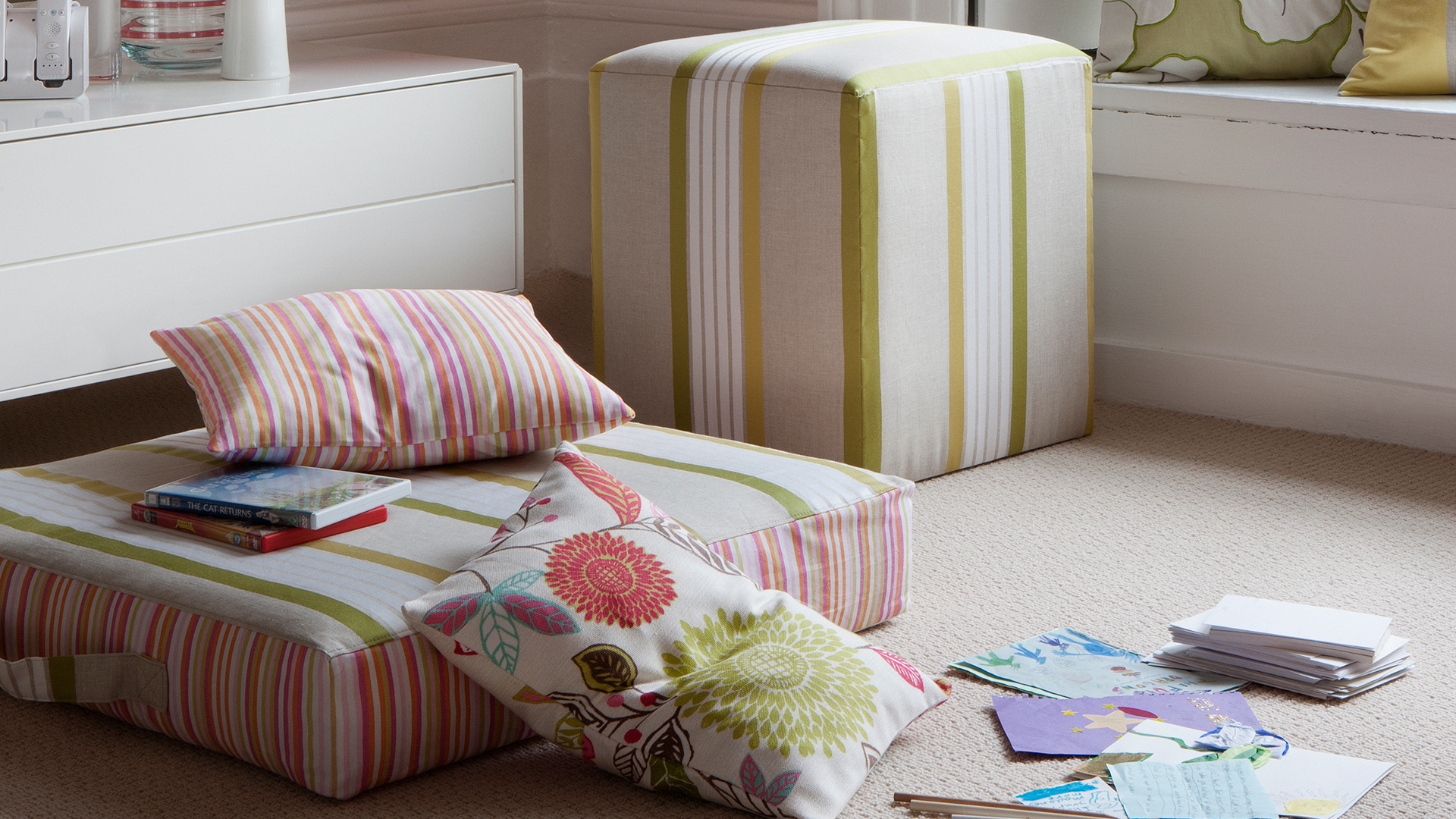
Using what floor space you have will make your small living room look bigger and provide ample seating options for guests.
"If you are outnumbered by younger people, make the most of your floor space by adding cushions and a deep pile rug they can all spread out on comfortably," suggests Danielle Le Vaillant, Head of Photography and Film at Cox & Cox. "Bean bags are also a great idea as they can be squished behind the sofa when not needed."
Putting seating on the floor leaves room for flexibility, as it can be moved around as guests come and go. Just make sure to leave enough space for people to walk around the room and access the exit.
5. Create the illusion of space
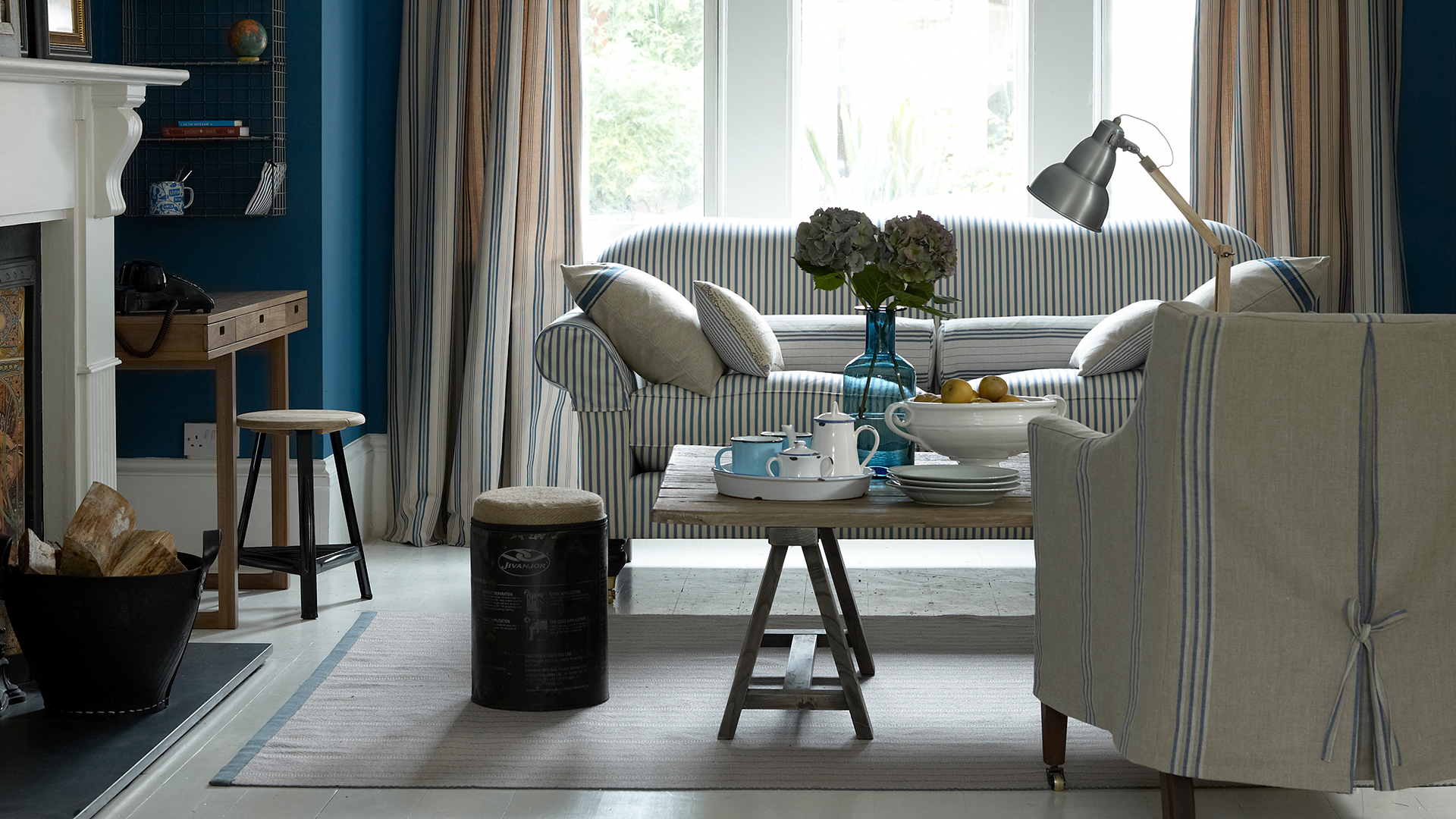
If you want the living room to feel less crowded, it's important to consider how the space looks. Take advantage of interior ideas to make a living room look bigger, such as a big centre rug, pops of colour, and floor-to-ceiling decor. All of these will help widen the space visually, making it harder for things to feel cramped. It's a psychological hack that will pay dividends when the living room's full.
"Furniture on raised, exposed legs create a sense of openness and allow light to flow," Megan from Maro Home says. "They also often allow space for storage underneath - something which is essential in a family room, and can be hidden away with ease with designs with loose slip covers."
Bringing in raised furniture will also create differing heights in the room, which is another easy way to make the space look bigger. It also helps to focus on light living room paint colours if you're redecorating, as these open up the room and create the illusion of more space.
6. Choose multifunctional pieces
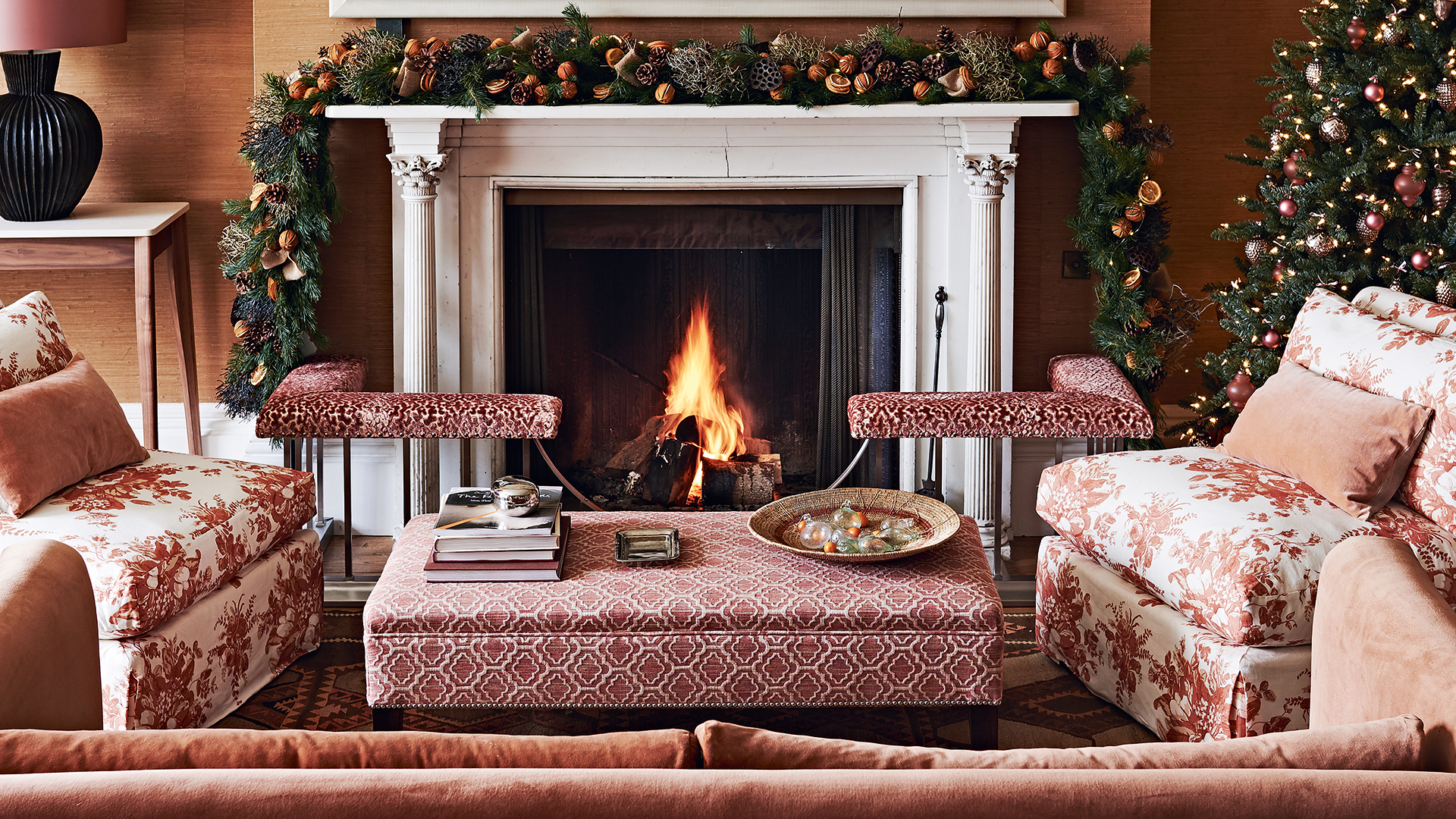
Whatever size living room you're working with, using the space wisely is key. That's where multifunctional seating ideas come in really handy; as the number of guests change throughout the hosting season, so too can the "seating's" purpose.
"Pouffes and ottomans are great," Anushka from Fableroom says. "Aside from being lightweight and affordable, they work as extra seating, footrests or even impromptu side tables with a tray on top."
What you use as a seat one day can be used to balance drinks, snacks, or even games the next. "A couple of pouffes can transform a tight layout into flexible, party‑ready seating that stores neatly when the guests go home," Anushka adds.
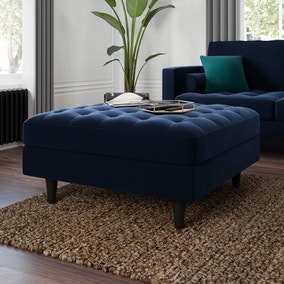
This would make a great centrepiece, and when it's not being used as seating (it could comfortably sit at least three), it can be used to display items like a coffee table.
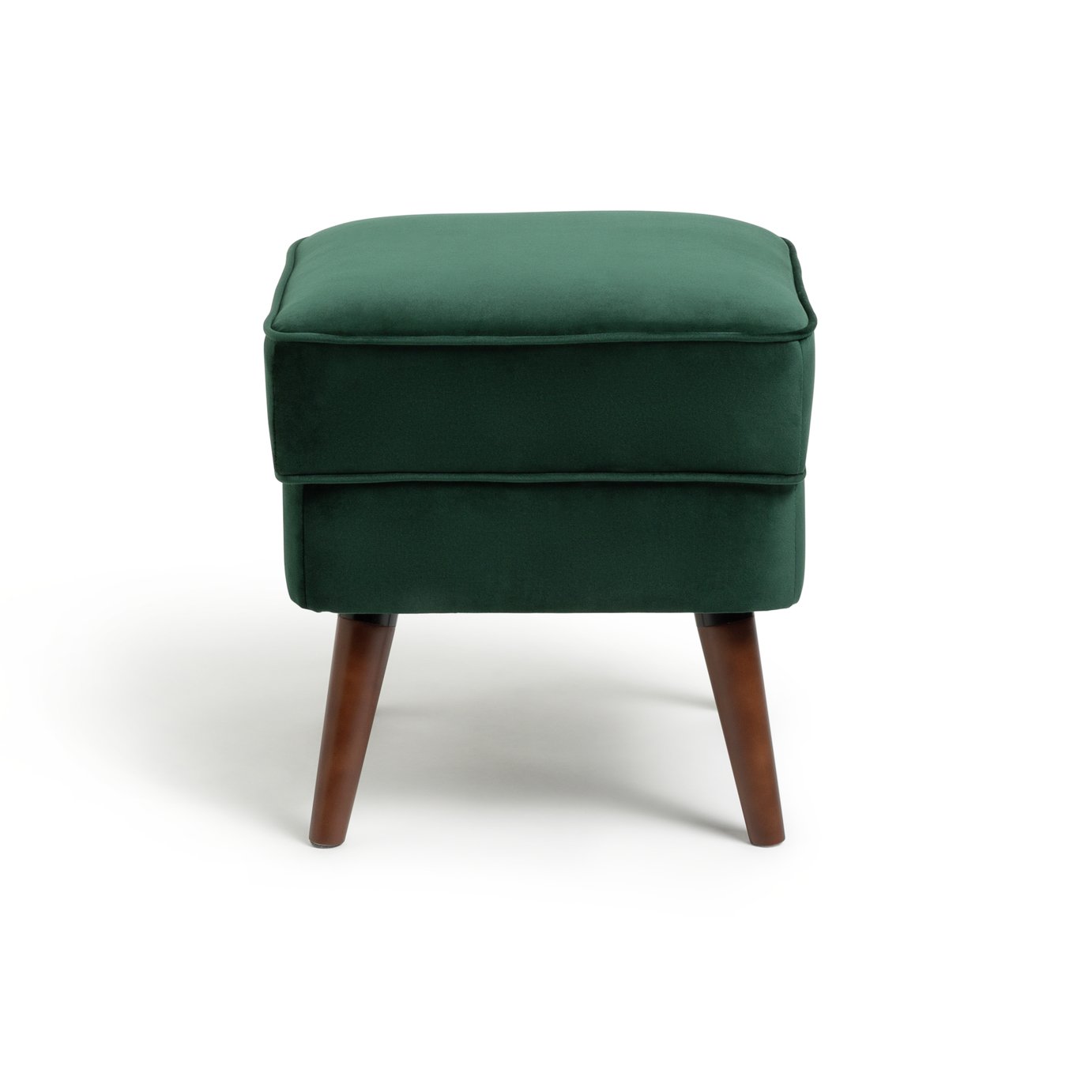
I think the forest green colour of this footstool is really pretty. With a width of only 45cm, it's small enough to squeeze into a corner and provide a comfy seat for guests.
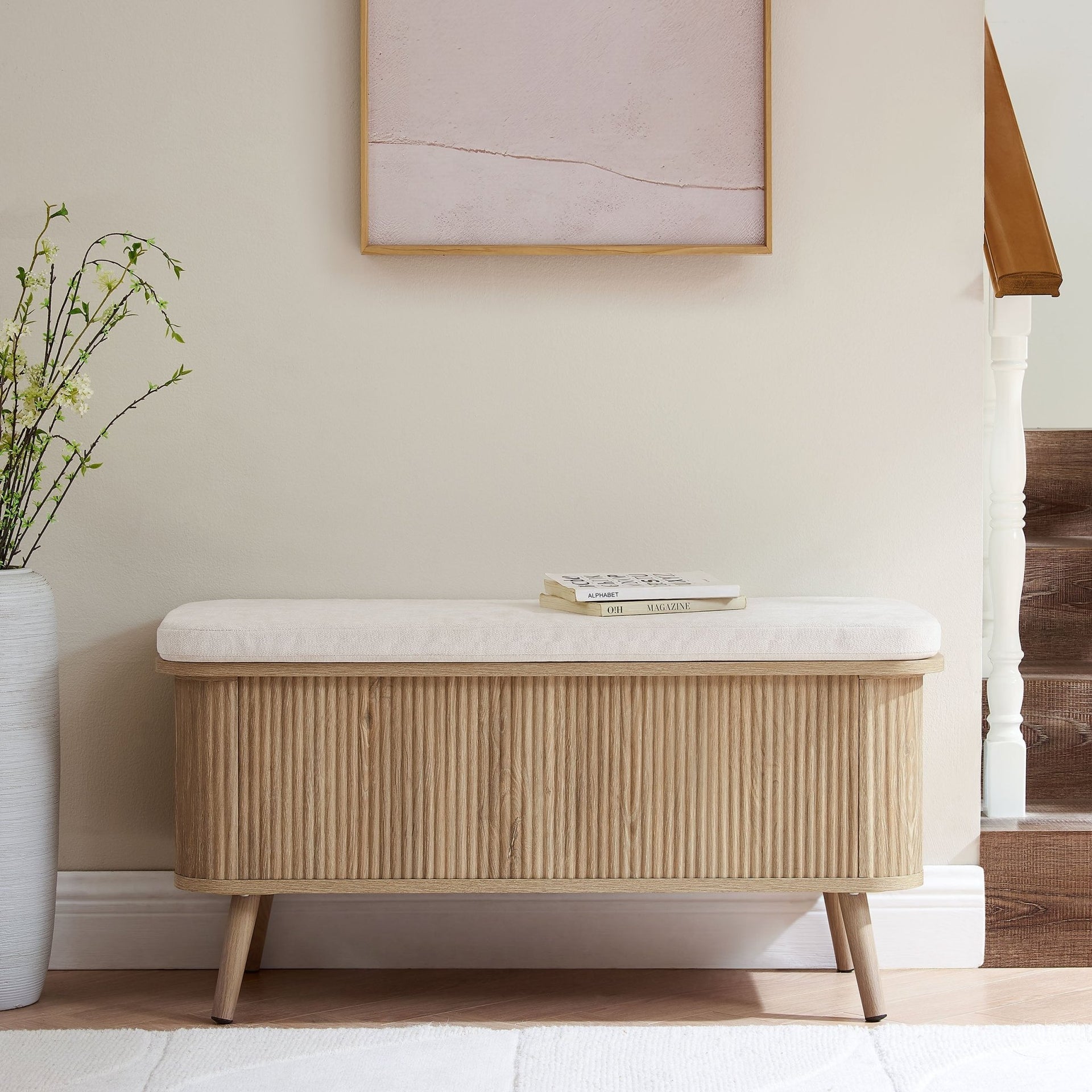
With this stylish storage bench, you'll get three extra seats plus additional storage space to boot.
Knowing how to add extra seating to your living room without making it feel crowded is going to be a real game-changer, this Christmas and beyond.
Happy hosting in comfort.