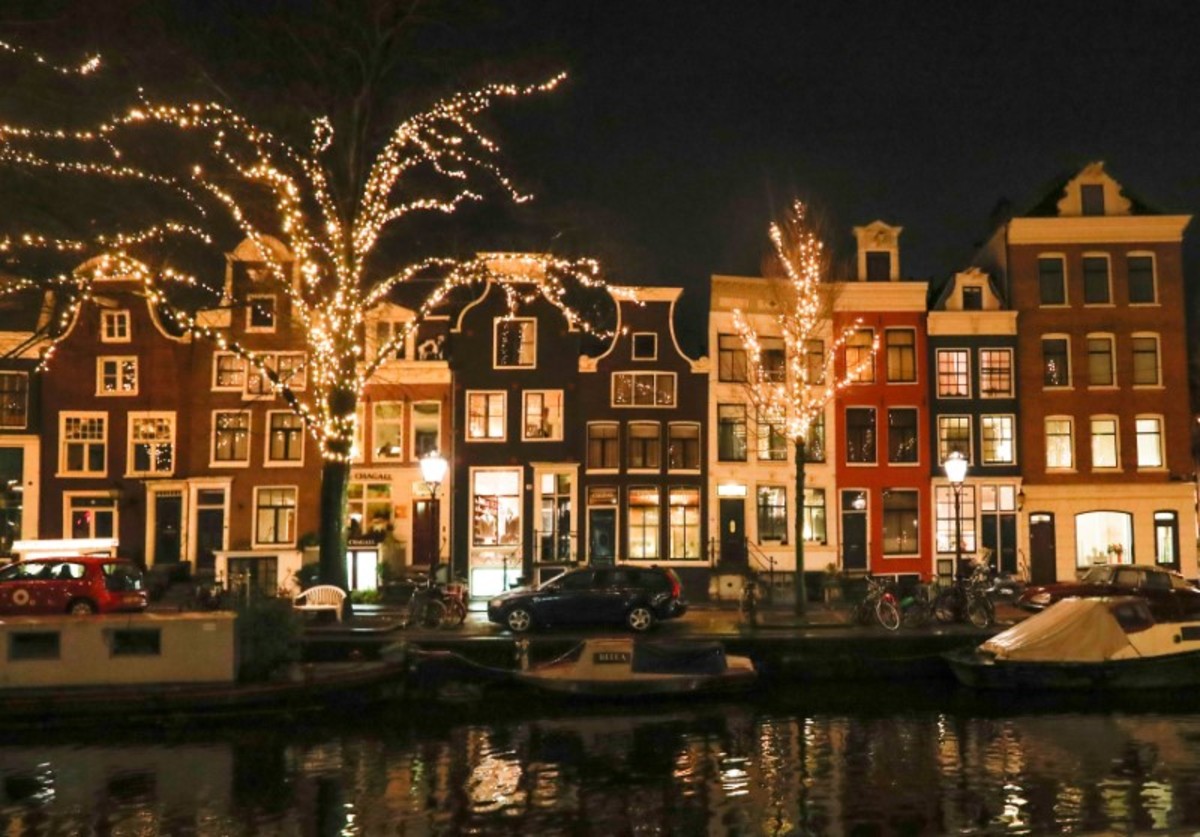
AMSTERDAM (Reuters) - Dutch politicians gave each other high-fives when they won a contest to host the European Medicines Agency last month, but not everyone in the capital is celebrating the expected influx of highly-paid pharmaceutical experts.
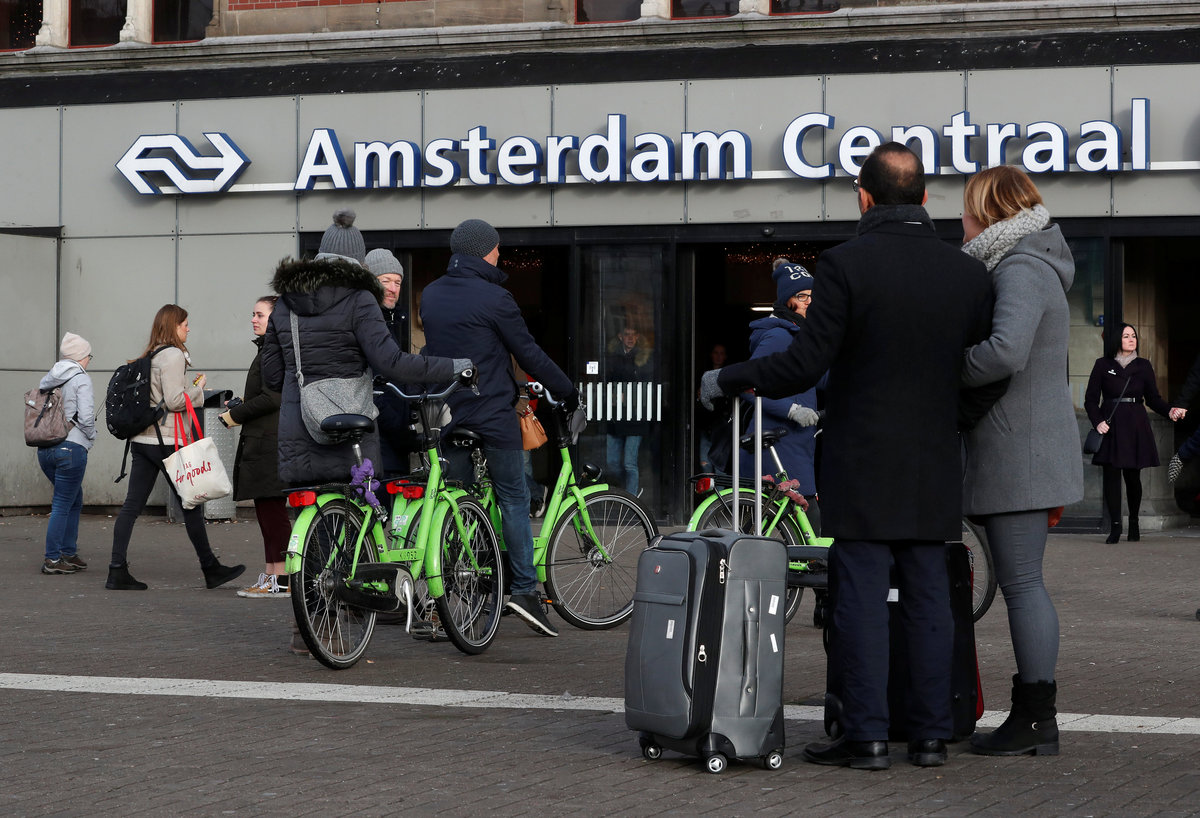
Amsterdam's residents and media, already sick of the numbers of tourists searching out stag-do strip joints on their streets, are increasingly vexed about another group of visitors - white-collar, expatriate workers.
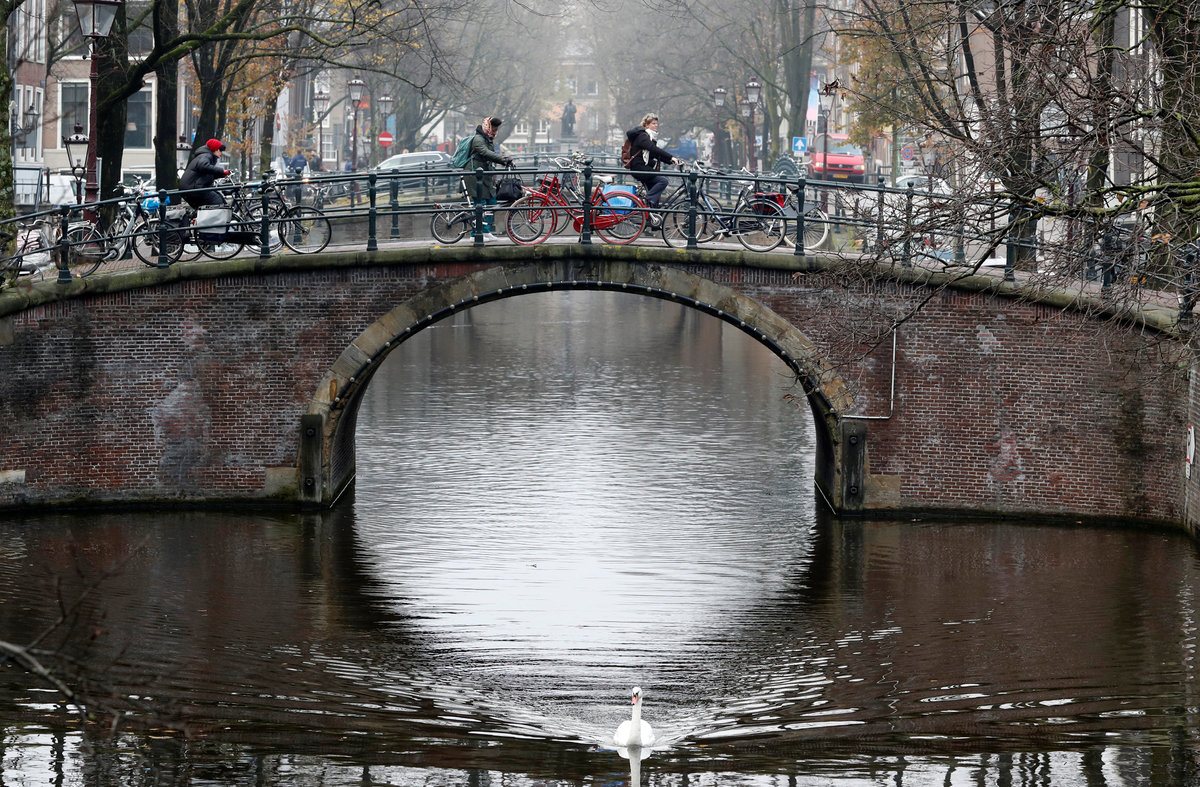
"A Nice Brexit Trophy, But Can The City Handle It?" newspaper NRC Handelsblad said in a headline, referring to the decision to move the regulatory agency from London to Amsterdam after Britain leaves the EU.
The EMA will come with around 900 staff - a wonderful economic boost, according to supporters of the move. Detractors say it's just another group of foreigners with big pay packets driving up rents and property prices.
"Home Buyers Will Pay The Price For Drugs Agency In Amsterdam," said national broadcaster NOS.
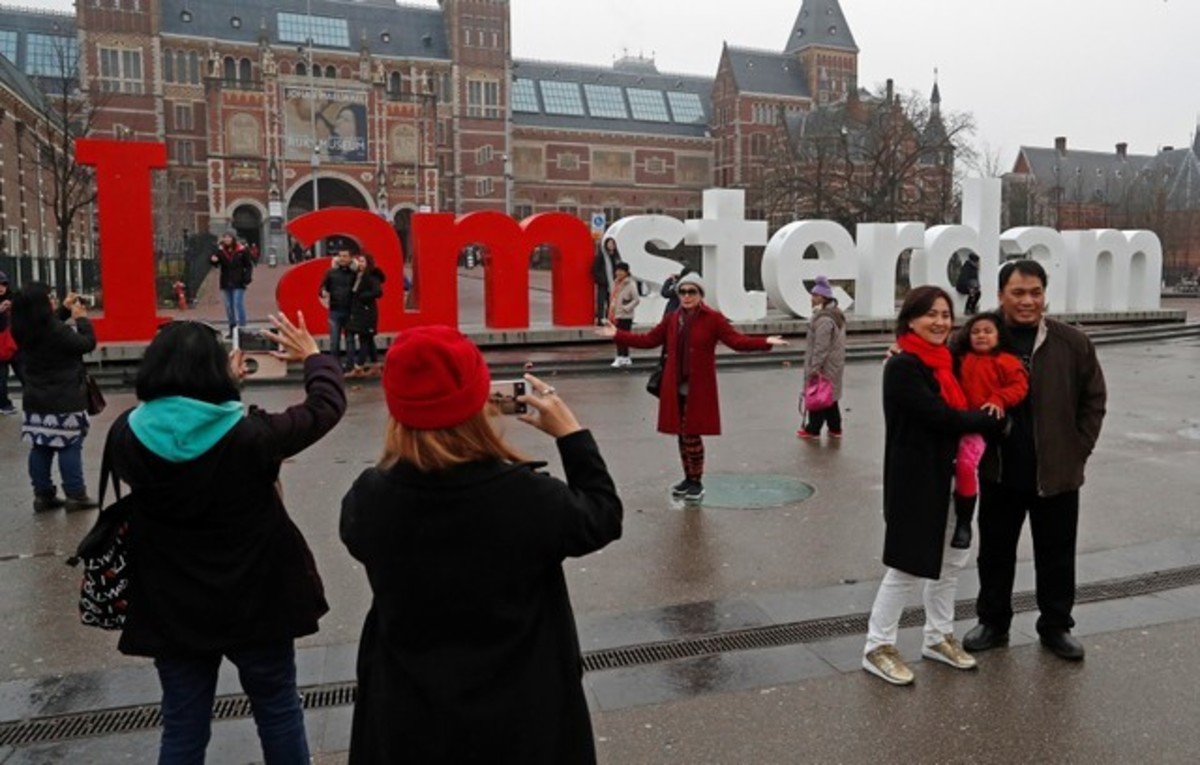
On social media, many also mourned the death of the city's free-wheeling and edgy spirit, killed off, they said, by the likes of the EMA's army of bureaucrats.
The sanitation of Amsterdam has been going on for more than a decade.
Advertising campaigns have focused on the city's canals, the Anne Frank House, the museums packed with Van Gogh and Rembrandt's greatest works.
Legislators have helped the re-branding by shuttering a third of the city's brothels in 2008 and starting a program to close marijuana cafes near schools in 2011.
"AN OPEN CITY"
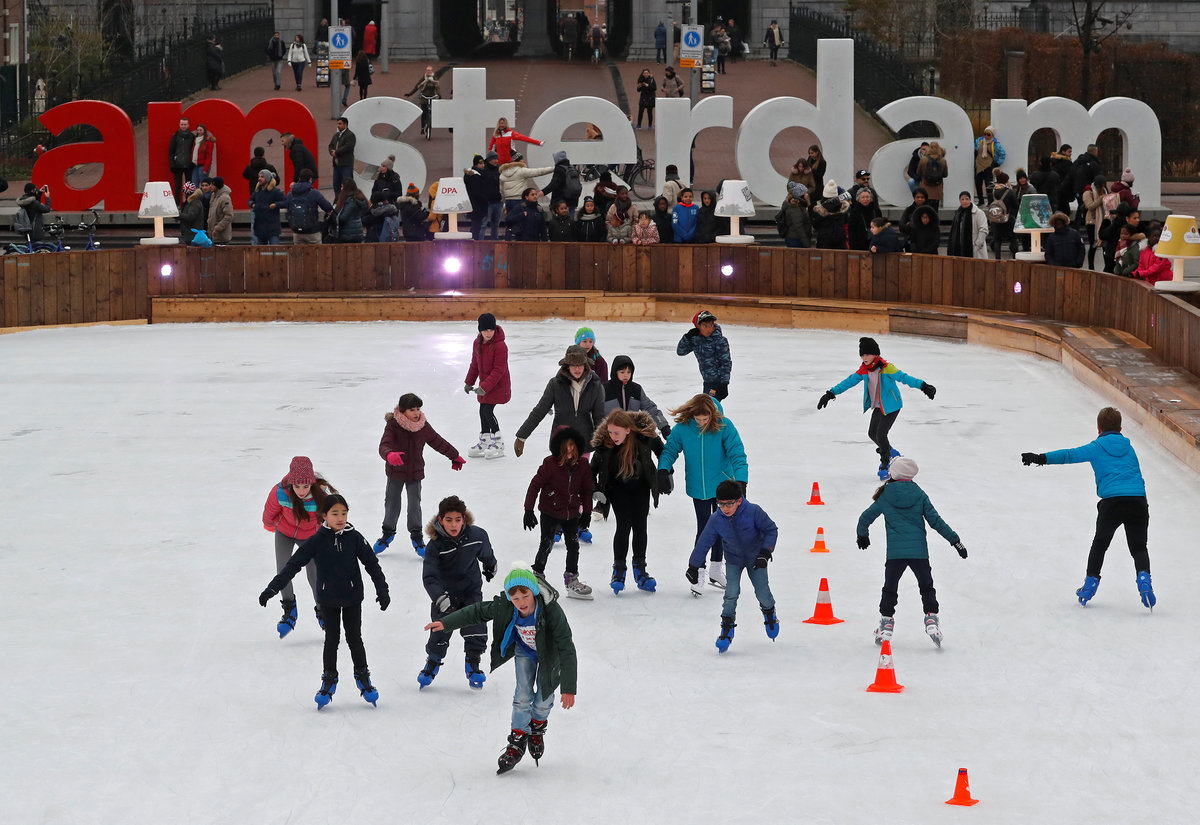
The number of overnight tourists nearly doubled from 2011 to 2016, according to Amsterdam Marketing. Amsterdam and its 850,000 residents now welcome more than 6 million foreign tourists a year.
That has all coincided with a surge in the number of well-heeled expatriates - numbers have also doubled to 77,000 in 2015 from 39,000 in 2009, according to the city's statistics office.
"Amsterdam has always been an open city," said Reinier van Dantzig, leader of the largest faction in city parliament from the centrist D-66 party.
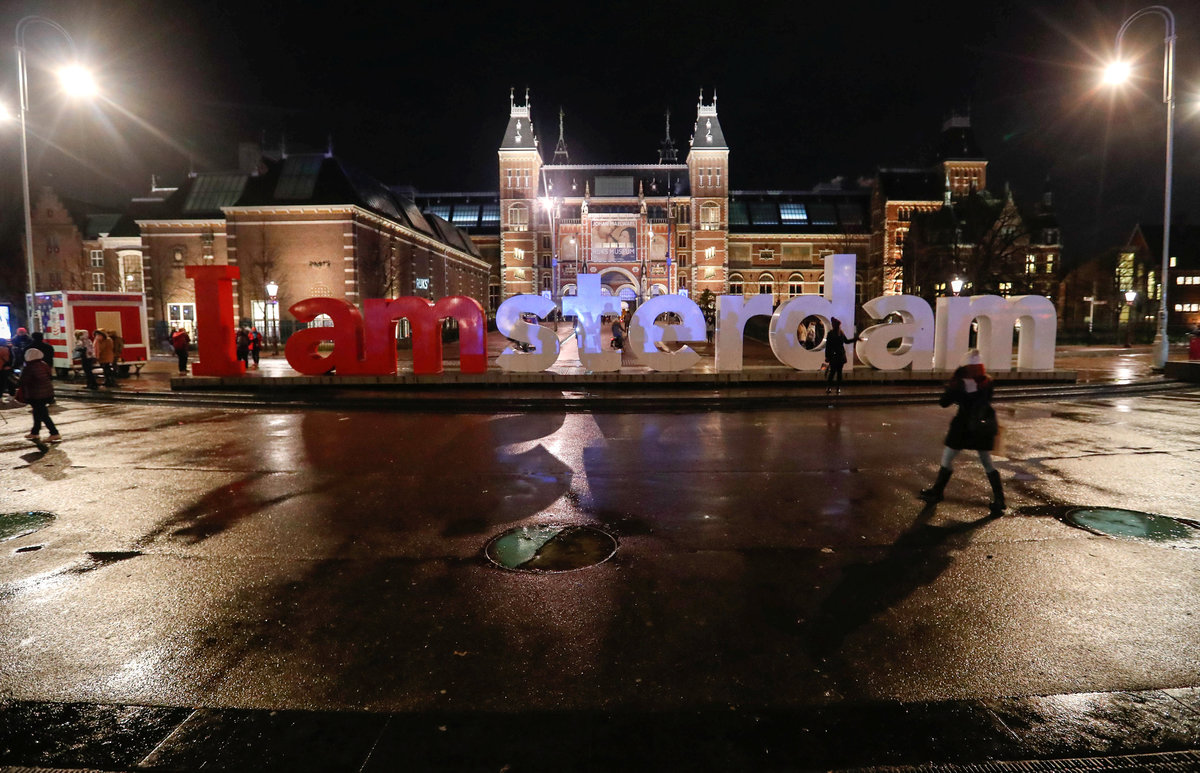
Immigrants were an integral part of the city's 17th-Century golden age and were continuing to contribute to the current economic boom, he added.
"That's why I have such difficulty with people who say that people from outside who want to become Amsterdammers would be some kind of danger - I think they're an addition."
The city, he said, was building housing for 70,000 more people, with extra space allotted to apartments for low and medium-income families.
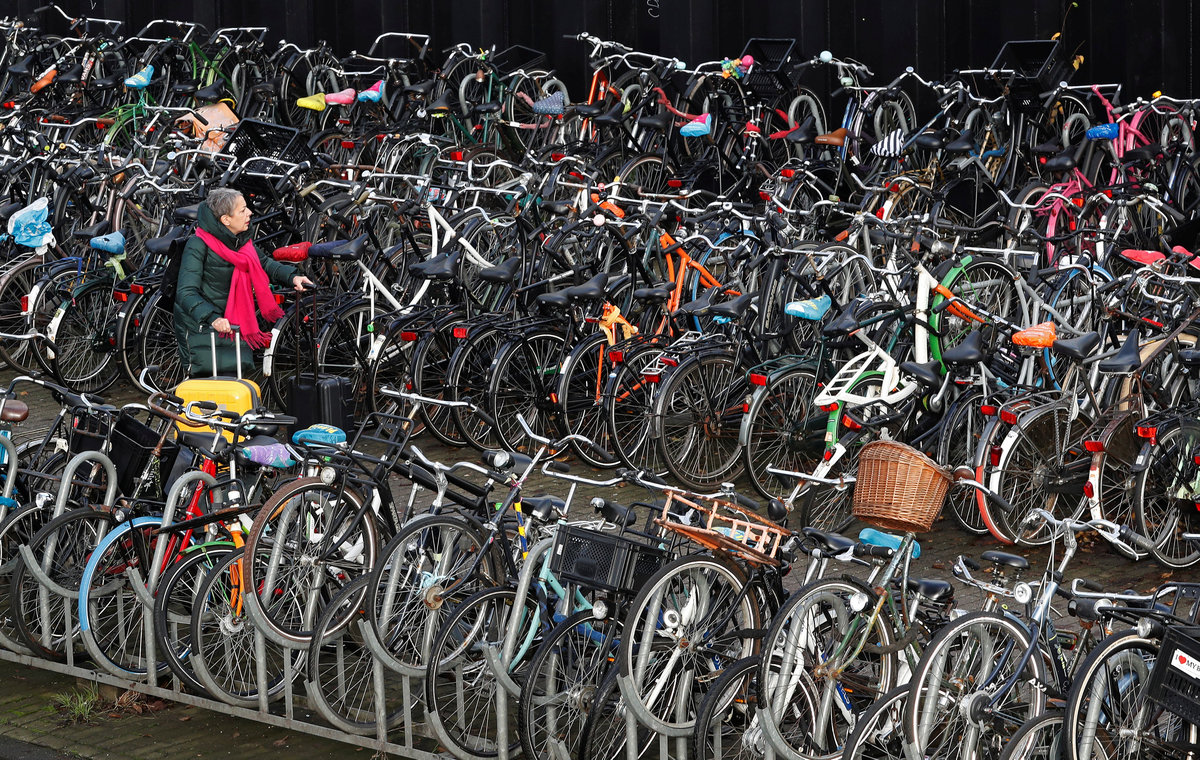
Too little, too late for Danielle van Diemen, a 5th-generation Amsterdammer.
"The city is being defined by a mix of Western foreigners who think that Amsterdam is edgy but that's no longer true," she said, pointing to a ban on squatting that went into effect in 2010.
The gap between wealthy expats who don't speak Dutch and locals is all but unbridgeable, she added. "So: expats go home and leave the city to us."
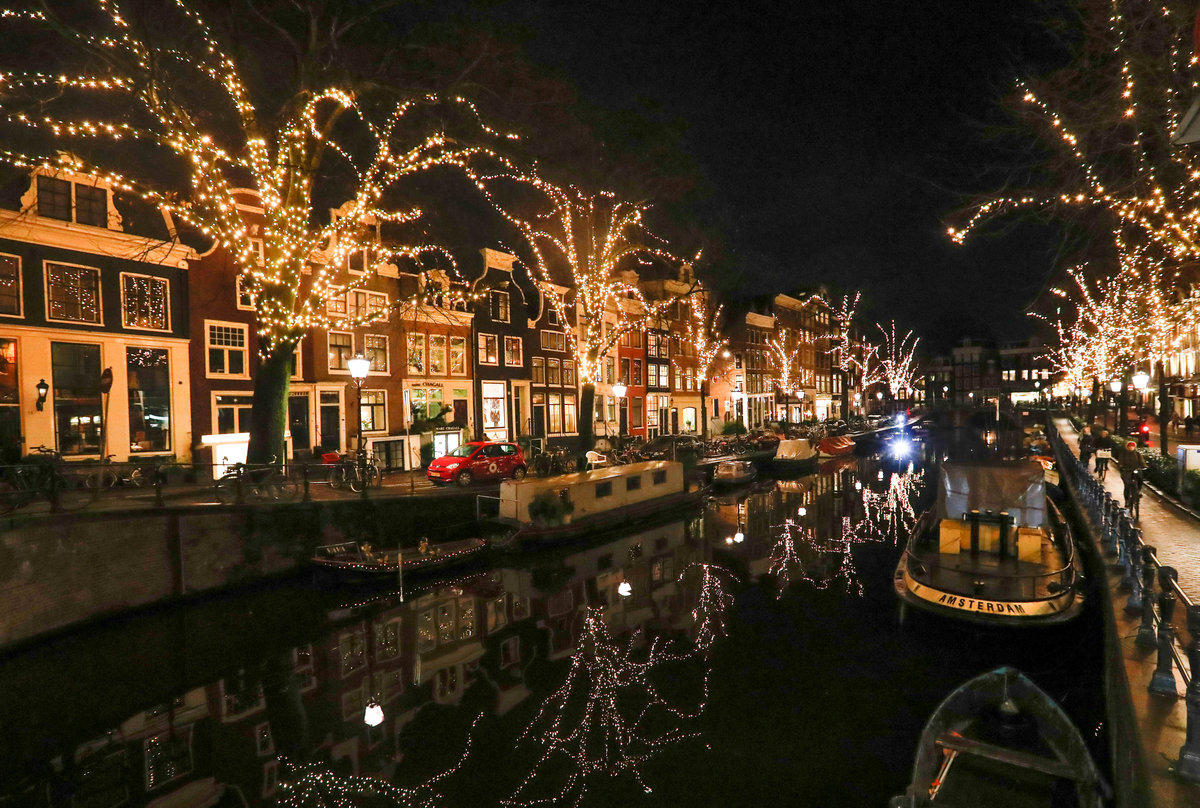
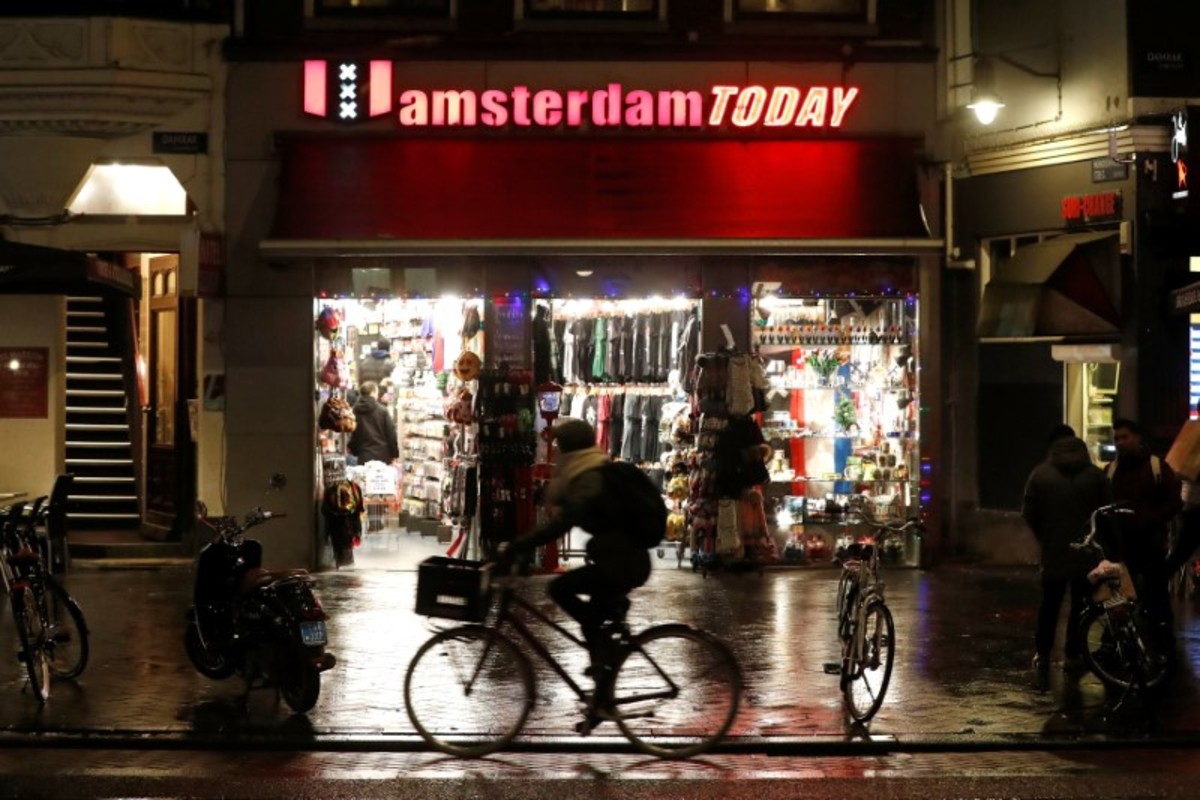
"I am like a visitor in my own neighborhood," said Bert Nap, who lives near the center. "We have lost all our bakers and other shops to tourism-orientated shops," he added, echoing complaints across Europe's holiday hotspots.
A survey by apartment-searching website Nestpick in April ranked Amsterdam #1 on its global list of best cities for millennials, citing its tolerance, night life and thriving startup scene.
"These people have qualifications, they have skills, they are networked, and so the fact is that they compete for houses and jobs with people who don't have those qualifications," said Jan Rath, a sociology professor at the University of Amsterdam.
"You could argue that what's happening ... is actually a replacement of the population" he said.
HOUSING MARKET "BOILED DRY"
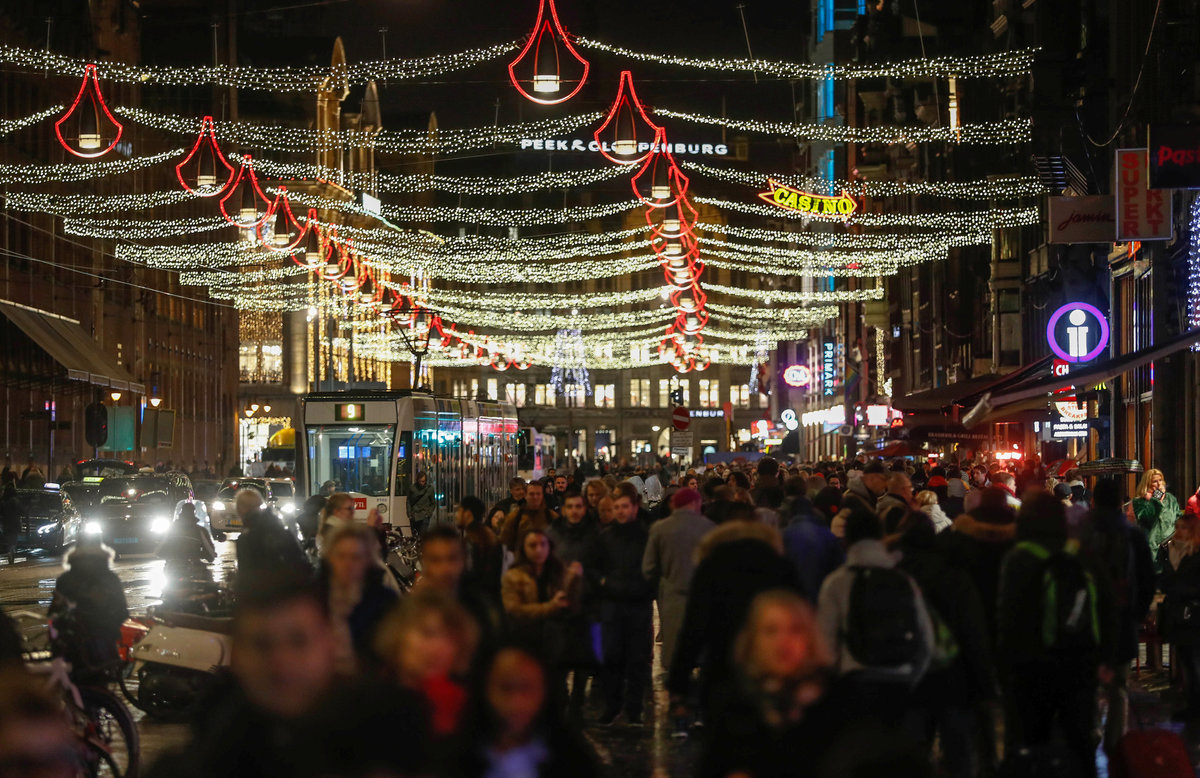
Real estate prices have soared, leading to a squeeze on unskilled workers, whether they are native Dutch or Turkish and Moroccan immigrants.
According to Statistics Netherlands (CBS), 40 percent of young couples leave the city within four years of having their first child, driven out by the lack of affordable housing.
Resentment also stems from a policy that allows skilled immigrants to receive 30 percent of their income tax-free.
On a salary of 100,000 euros that amounts to 15,000 euros in extra take-home pay for an expat over a Dutch person doing the same job.
Property prices rose 13 percent in the third quarter of 2017 from the same period a year earlier, according to the CBS, above their 2008 highs. Listings have dried up. As one real estate agent put it, the market has "boiled dry".
Michiel van Hemert, a kitchen assistant, said government priorities were wrong.
"Imagine the 'economic boom' that would come from retraining 40 and 50-year-olds, which is clearly needed," he said.
He recommended more funding for educators, police, nurses and other public servants. "I speak for myself and two or three generations before me."
(Editing by Andrew Heavens)