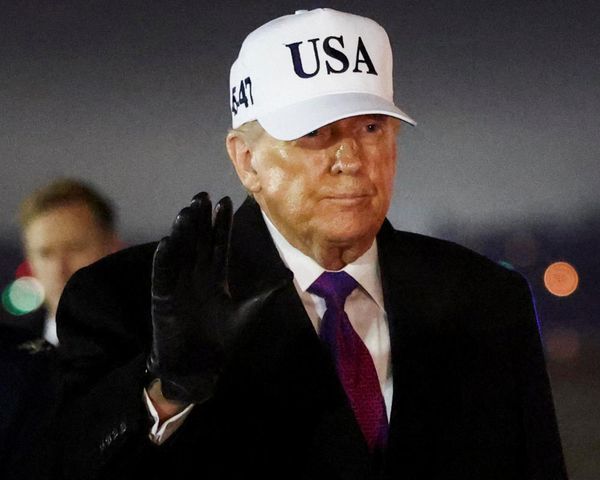
President Trump’s order to withdraw U.S. troops from Syria reversed recent pledges by a wide range of senior administration officials to remain there indefinitely — including one just two weeks ago by his top Syria envoy, Ambassador James Jeffrey.
The big picture: Trump’s tweet and abrupt decision have taken key allies and many in his own administration by surprise. Aside from being based on a false premise — the Islamic State, or ISIS, is down in Syria, but not out — the decision could have major implications for Syria, the Middle East and broader U.S. foreign policy.
The effects of a U.S. withdrawal will ripple across the region.
- Syrian President Bashar al-Assad will see it as a sign the U.S. will not hinder his efforts to re-establish control over all of Syria.
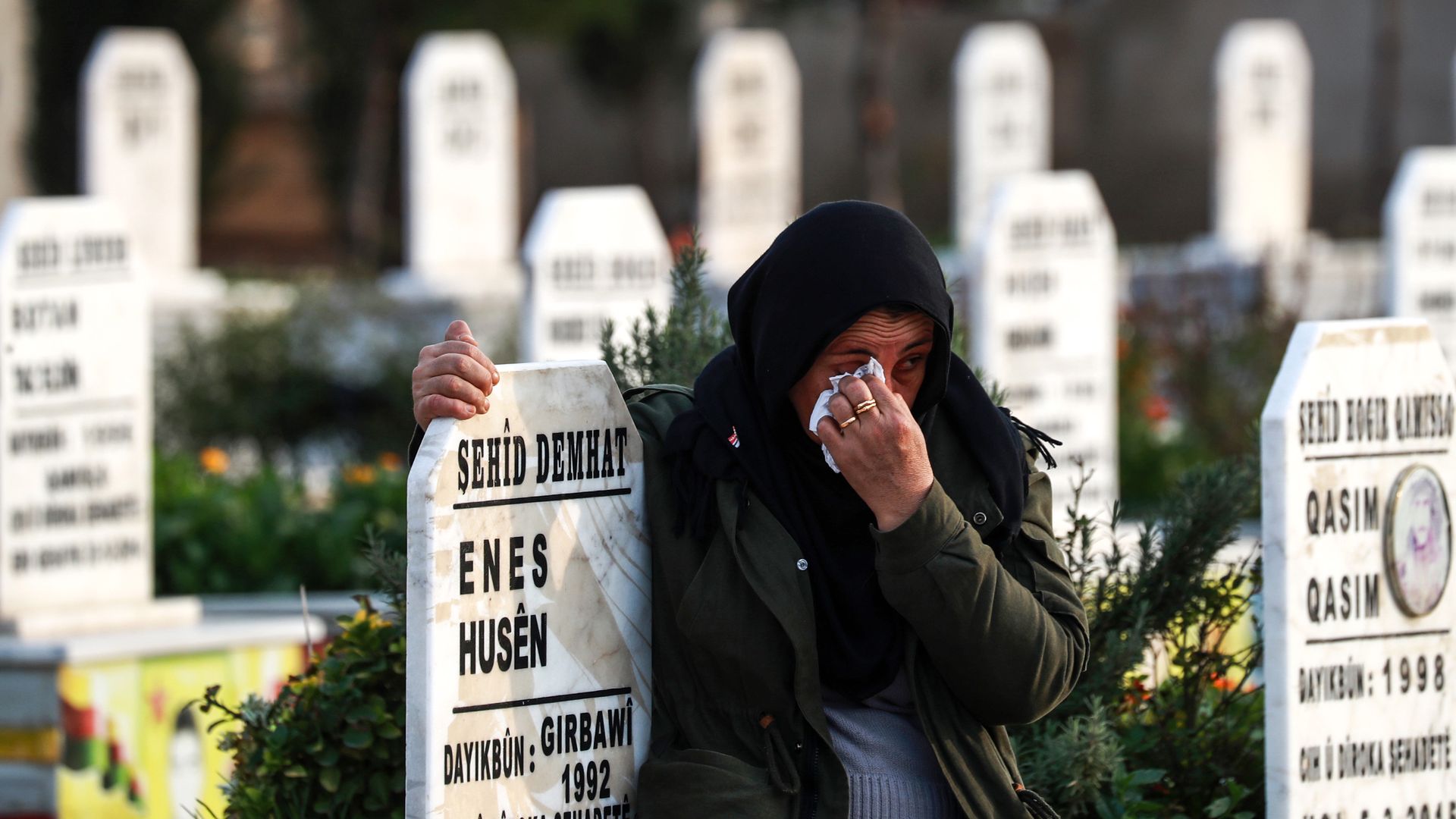
- Washington’s Kurdish partners in Syria — who led the ground fight against ISIS at great cost — will feel betrayed and may see no choice but to accelerate negotiations to reconcile with the Assad regime.
- Turkey, which has been threatening to invade northern Syria to confront Kurdish rebels there, could take Trump’s decision as a green light to do so — potentially coming into conflict with both the Kurds and Assad.
- Israel and the Gulf states, which were counting on U.S. support in containing Iran’s regional influence, will be stunned by a decision that is hard to reconcile with the administration’s repeated claims that it has no higher priority than standing up to Tehran.
The bottom line: As Brett McGurk, the State Department’s counter-ISIS Coordinator, said on Dec. 11, leaving Syria now on the pretense that the physical caliphate is defeated would be “reckless.” If Trump doesn’t reverse course — always a possibility — this sudden and poorly coordinated reversal could send a troubling signal about the U.S. foreign policymaking process and America’s reliability as a partner.
Philip Gordon is the Mary and David Boies Senior Fellow in U.S. Foreign Policy at the Council on Foreign Relations and a former special assistant to the president and White House coordinator for the Middle East, North Africa and the Gulf Region (2013–2015).