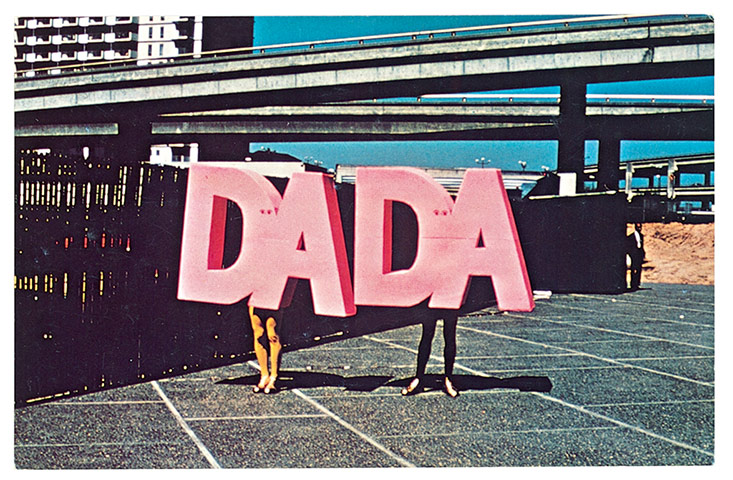
This show brings together riffs on the humble postcard, by more than 200 artists including Joseph Beuys, Anna Banana (whose 1977 postcard with the Dada Brothers is pictured above), and Throbbing Gristle frontman Genesis P-Orridge. Historic examples include On Kawara who, for many years, sent hundreds of postcards rubberstamped with the time he got up each morning. More recent advocates include David Shrigley, best-known for his deadpan cartoons, and a new generation who came of age with text and email. At Spike Island, Bristol, until 17 June 2012
Photograph: PR
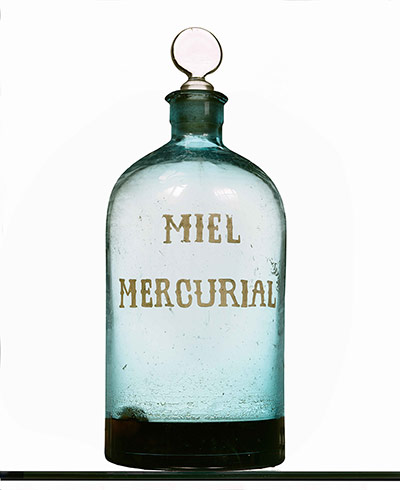
What looks like documentary research – more than a thousand photographs of medical curiosities in an Ecuador museum – are transformed by the artist into works of wonder. From this kind of distance, the precisely labelled bottles and exotic icons show us that science can be art, magic – or both. At Oriel Mostyn, Llandudno, to 3 June 2012 Photograph: PR
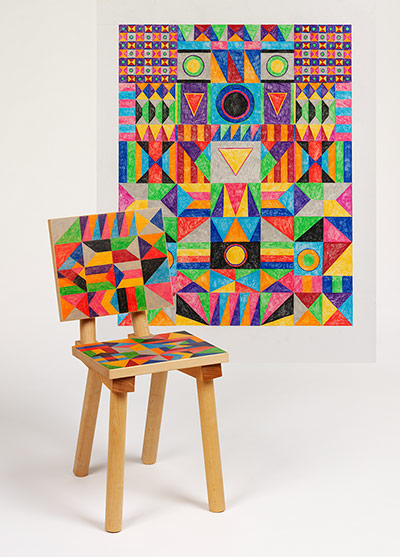
Two Olympics hosted by Britain bookend this show, which explores British design from 1948 to the present. The array of work is vast, from Morris Minors to an Alexander McQueen evening gown, Lucienne Day textiles to the abstract prints of David David (pictured). What emerges is a riveting take on the country's social history, from the postwar creation of the welfare state to 1960s liberation and economic boom, punk and recession, 80s yuppie lifestyles and beyond. At Victoria & Albert museum, London SW7, to 12 August 2012 Photograph: PR
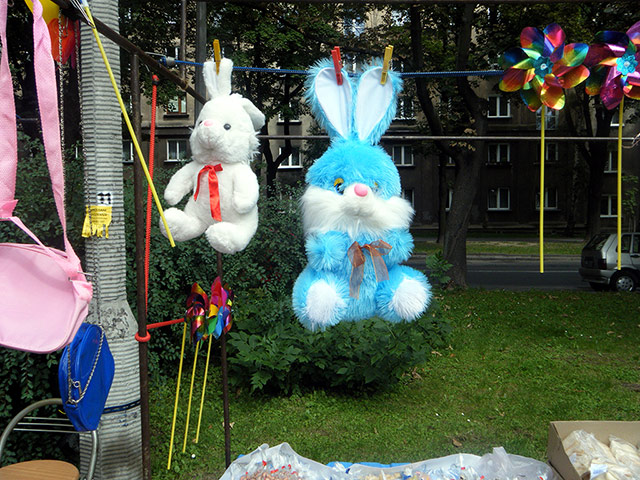
Fitzmaurice and Rooney's irreverence barely disguises a resigned melancholy. Fitzmaurice turns the Edwardian building inside out, revealing with sculptural constructions of white vinyl and brown parcel tape the DIY goings-on behind the gallery facade. Rooney presents a sound installation that pretends to be a voiceover to a non-existent film recording the tragic murder of a child's pet stoat by the child's father, and imbues the silly sentimentality with heartrending pathos. At Grundy Art Gallery, Blackpool, to 5 May 2012 Photograph: PR
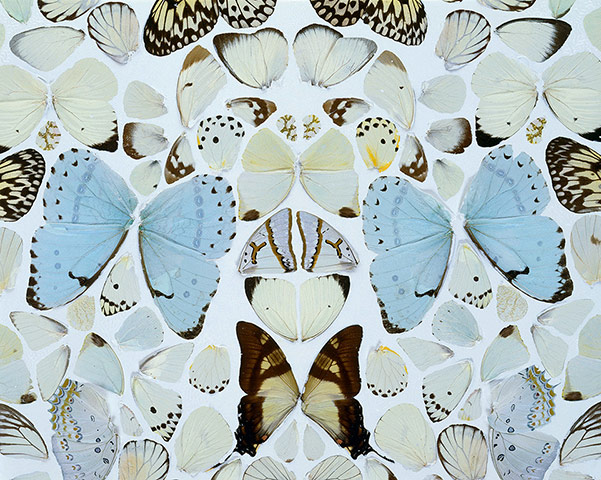
Whether or not you care if he's art's answer to Bono – more famous for being rich than for what he makes – Hirst is a written-in-stone part of art history. From Freeze, the seminal 1988 warehouse show of his Goldsmiths college gang, to the notoriety of Sensation nine years later, he made British art edgy and impossible to ignore. Here, pieces such as the pickled shark, the flies that feed and breed only to be barbecued on an insect electrocutor, and the room stacked with pharmaceutical drugs chart the impact of the works and the changes to culture that Hirst wrought. Dull viewing this won't be. At Tate Modern, 4 April to 9 September 2012
Photograph: PR
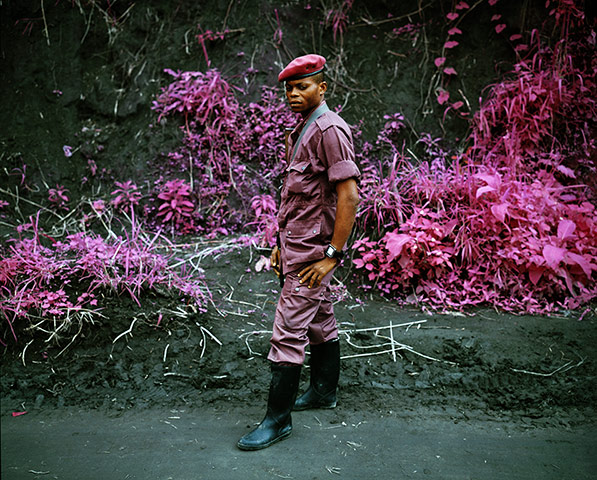
Mosse uses obsolete Kodak Aerochrome film to record the ongoing self-torture of the Democratic Republic of Congo. The infrared film, designed for military surveillance, makes frequencies of light normally beyond human perception visible, transforming the jungle warzone into a magi-realist hell. Norfolk looks further back into the story of human wastage at sites such as Cambodia's Year Zero, in 1975, and the bombing of Dresden. He photographs silent screams and ghosts in landscapes, staircases and piles of abandoned clothes. At Open Eye Gallery, Liverpool, to 10 June 2012
Photograph: PR

All of Ballen's photographs (such as Excited man, 2001, pictured) are black and white and square, but that's pretty much all that's straight about his work. This show covers three decades of the American-born, South Africa-based artist's career: his photographic surfaces might appear as distressed as his loner protagonists look disturbed, yet there is a heartening deliberation to it all, as if neither the artist nor any of his subjects would ever want to become part of mainstream culture. Indeed, Ballen is all the more convincing for using photography as an existential tool of self-definition. At Manchester Art Gallery, to 13 May 2012
Photograph: Roger Ballen/Hamilton's Gallery, London
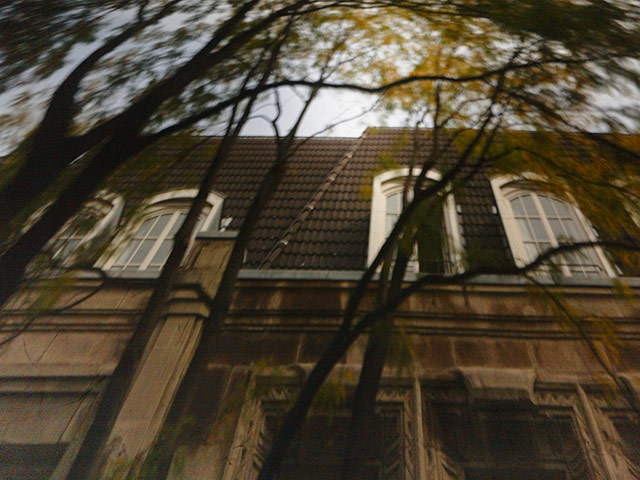
This New York-based artist's latest show turns the gallery itself into a camera obscura, the device where light is filtered through a hole: the result is a mirror image of the world outside, projected on to the walls and floor. Her latest photos of the sun turn light into a subject in its own right, and she blows up what look like pale halos against grey to reveal the glare on the camera lens and the texture of film. Rounding it all off is her acclaimed 2008 series You See I Am Here After All, thousands of uncannily similar postcards of Niagara Falls sent by holidaymakers across the decades. At Camden Arts Centre, London NW3, to 24 June 2012 Photograph: PR