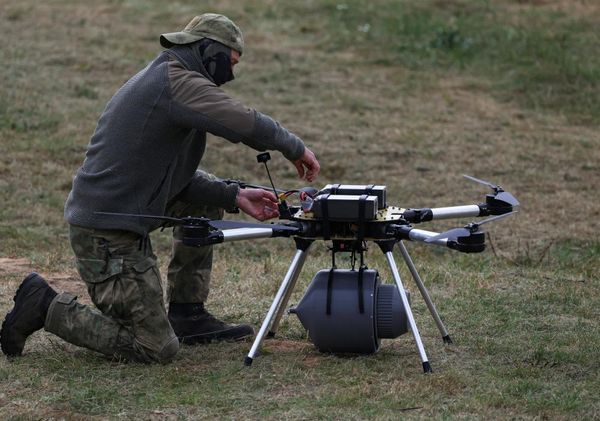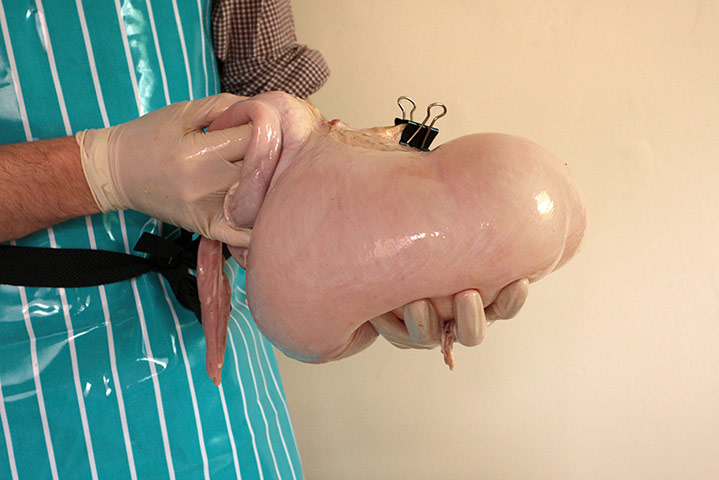
The title says it all. Abandon Normal Devices takes place across Manchester, with satellite goings-on throughout the north-west, and is determined to provide distinctly unorthodox thrills, with over 100 events including exhibitions, installations, performances, screenings and parties. Brooklyn artists Todd Chandler and Jeff Stark set up their Empire Drive-In at Manchester Q-Park. After completing his artist’s residency at the University of Liverpool’s Clinical Engineering Unit, John O’Shea exhibits the world’s first bio-engineered football at Manchester’s Centre for the Urban Built Environment. And, in Liverpool, the Foundation for Art and Creative Technology initiates a series of live proceedings by Brazil-UK network Zecora Ura, including a link-up between Belo Horizonte and downtown Preston.
RC
Various venues in the north-west, 30 Aug to 2 Sep Photograph: PR
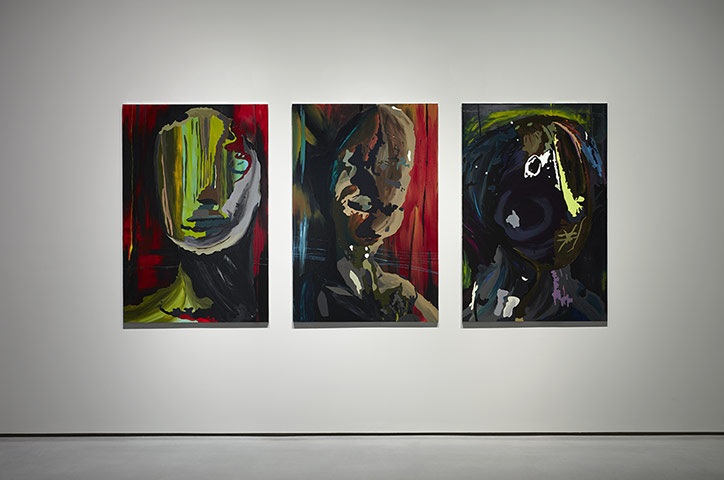
Clare Woods is a very modern landscape painter. No sweeping mountain vistas or comely lakes for her. Unloved, overlooked urban scrub is her preferred territory, which she often ventures to at night using a glaring flash. The results frequently look more like primordial jungles or monsters from the id than the stuff of country walks. Her work recently reached its biggest audience yet, thanks to her commission for the Olympics site: a translation of a painting wriggling with giant arteries and orange creepers on to thousands of tiles like those once produced in the East End. Here she returns to her familiar material, oil on aluminium sheets, and scales things down with a series of smaller works.
SS
Modern Art, W1, Thu to 28 Sep Photograph: Courtesy Stuart Shave/Modern Art, London

Art and sex prove dangerous bedfellows in Daniel Sinsel’s work. The first impression is one of tenderness, be he collaging images of men’s bottoms neatly excised from magazines, pushing nutshells beneath fabric to create invitingly touchable nipple-like bulges, painting suggestive vegetables or a carefully cloth-wrapped member. Yet, whether it’s a real penis or a symbolic parsnip, there’s a tacit threat in all the fragmented body parts, as if the act of depicting and looking were a form of exacting butchery. This tension was captured in his earlier trompe l’oeil paintings, where a sharp slash to the canvas was rendered in painstaking illusionistic detail. He continues his experiments with paintings of ribbons, plus sculptural creations with raw linen, glass and tape.
Sadie Coles HQ, W1, 31 Aug to 29 Sep
SS Photograph: PR
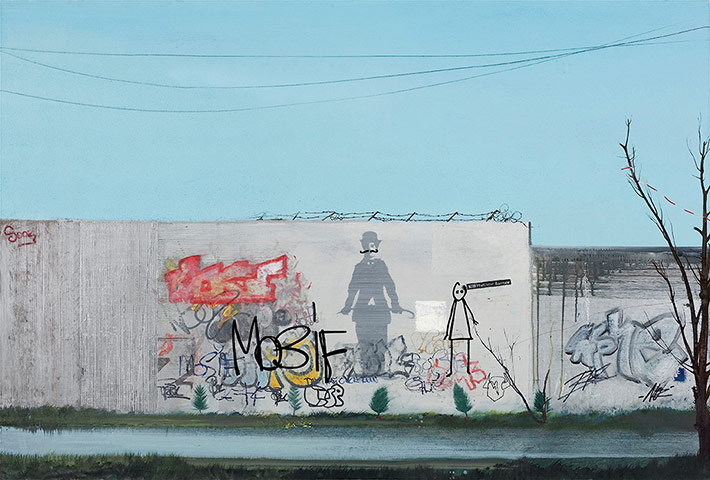
Parallel to his solo show at The Fleming Collection in London (until 17 Oct), here’s a selection from some 30 years of nitty-gritty figurative painting by the Glasgow-born artist. McFadyen emerged during the 1980s when the neo-expressionist trend was sweeping the international art world with dramatic gestures, yet from the start his art appeared to belong more to the witty, nihilistic tradition of Hogarth, Gillray and Rowlandson.His lone protagonists often appear bedraggled and homeless. There’s no grand drama here. Yet, for such a painter of downtown alienation and social degradation, it is often in the details of his meticulously focused backdrops that he really shows what he can do.
RC
Bourne Fine Art, to 15 Sep Photograph: PR
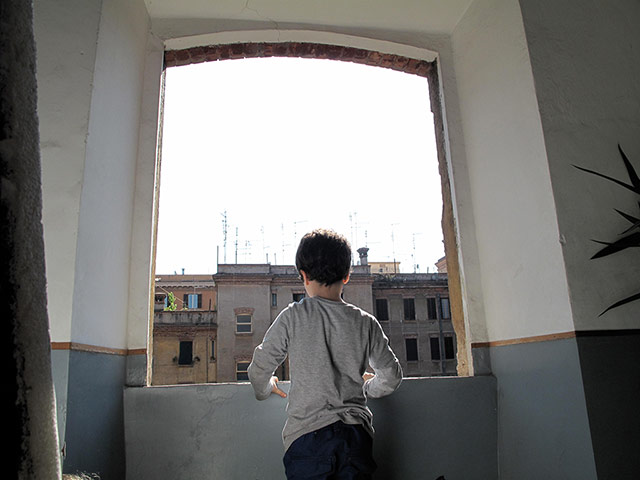
Johanna Billing’s videos tend to occupy gallery spaces like moving pieces of sculpture. Her protagonists are often invited to engage in acts for which they are unaccustomed to: Zagreb school children or Romanian dancers performing Swedish pop songs. It’s touching stuff that derives much of its emotional unease from the fact that the viewer is unable to recognise any easily identifiable film genre in the work. It is neither fictional movie, documentary film nor promotional pop video, but sometimes a shifting mixture of all three, with Billing coming across as a social anthropologist.
RC
The MAC, to 4 Nov Photograph: Courtesy the artist
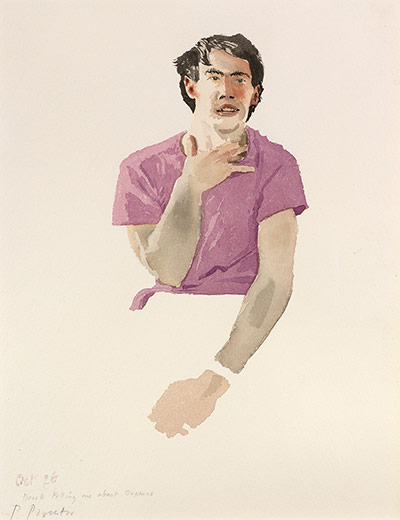
This is the first museum show of the 1960s art world dandy’s eloquent watercolours since his death in 2003. Gay, 6ft 6in tall and with the skinny features of a natural bohemian, Procktor circulated among the swinging clique of Princess Margaret and Ossie Clark with a stylistic flamboyance that threatened to overshadow his qualities as an artistic chronicler of the fashionable set and their fancy goings-on. As Hockney’s star rose, however, Procktor's waned, and he descended into alcoholism and destitution that would, retrospectively, seem such an unlikely future for the talented young man who summoned with such seeming consummate ease the delicate finesse of his best portraits and flower paintings. This show aims to reclaim some of the early legendary promise.
RC
Huddersfield Art Gallery, 25 Aug to 10 Nov Photograph: PR
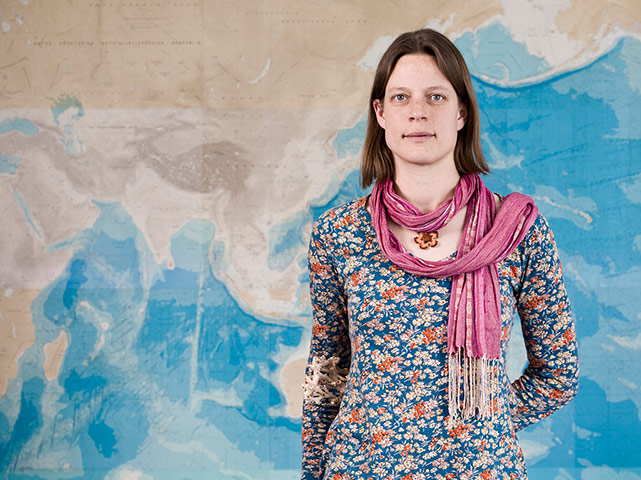
It’s one of the great imagination-whetting facts of life that we know more about the moon than we do the oceans’ depths. It’s our effort to probe the unknown, as much as the scientists’ finds, which is the focus of Rona Lee’s latest works. With their intricate masses of spaghetti-strand hair, her Sea Draw plaster reliefs look like mysterious sea creatures, but are in fact based on freeform drawings. Less delicate are the sandy lumps that make up I want I want I want: fired seabed sediment, grabbed 4,000 metres below sea level.
SS
John Hansard Gallery, Tue to 13 Oct Photograph: Rona Lee/Andy Wilson. Courtesy the artist.
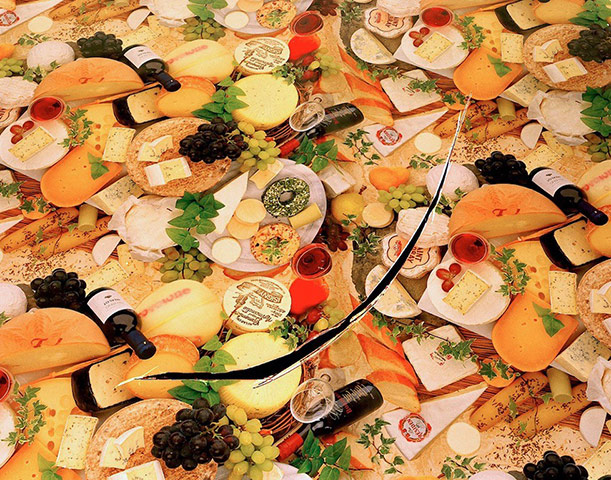
Ancient & Modern’s walls have gone egg yolk yellow, turning the narrow gallery into a manically vibrant cell. The happy pill comes courtesy of artists Ketuta Alexi-Meskhishvili (work pictured) and Benedicte Sehested, who’ve drawn inspiration from Charlotte Perkins Gilman’s classic feminist novella about domestic madness The Yellow Wallpaper and the rich Monticello yellow Thomas Jefferson used to paint his dining room. Here the boxed burst of fake sunshine sets the scene for some spooky work. Sehested’s murky black and white photos of marauding figures in bear costumes have the fuzzy edges of a bad dream.
SS
Ancient & Modern, EC1, 30 Aug to 6 Oct Photograph: PR