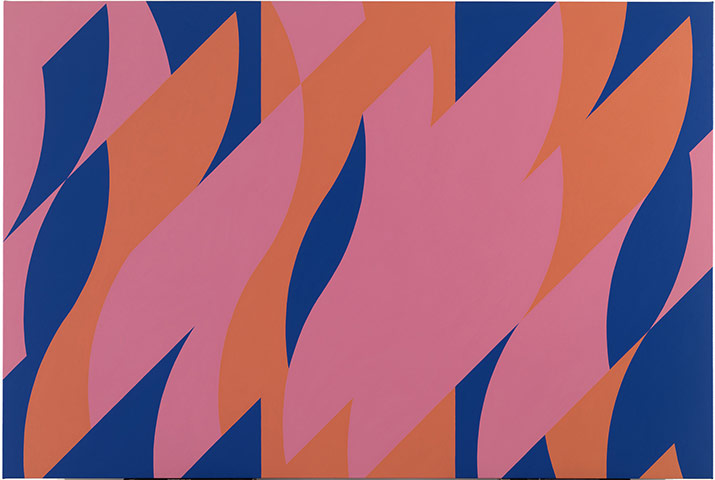
The 19th-century painter Georges Seurat was Bridget Riley's first road in to perceptual experimentation in the 1950s. In Riley's show at the National Gallery (24 November-22 May), she pairs her recent harlequin abstractions, such as Red With Red (2007; above), with three studies by the great pointillist
Photograph: Bridget Riley/Karsten Schubert, London
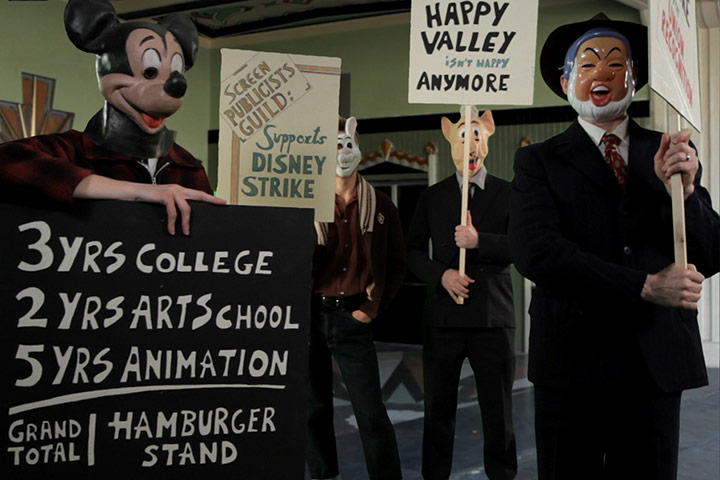
Eighteenth-century jailbreakers and pirates from a drowned future world are among Anja Kirschner and David Panos's real and imagined London subjects. Great things are expected from their latest film, The Empty Plan (above), at Focal Point Gallery from 22 November to 4 January, in which they swap their usual East End backdrop for the Hollywood encountered by radical playwright Bertolt Brecht
Photograph: Anja Kirschner and David Panos
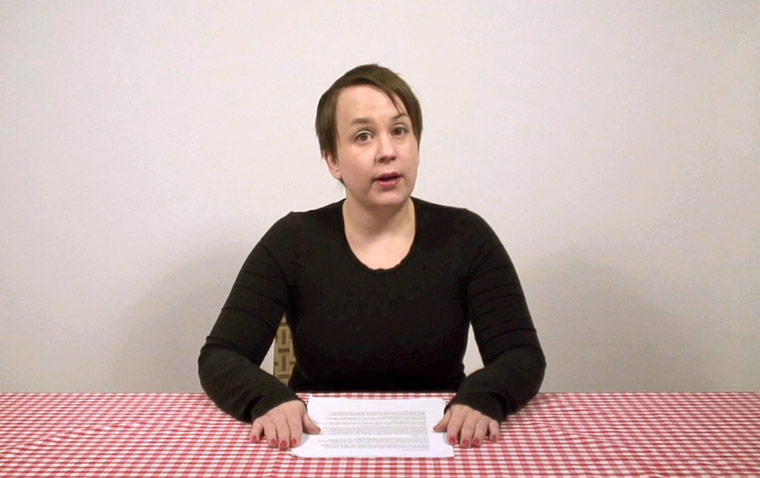
Stenbom plays around, deliberately amateurishly, with what she sees as the sophisticated politics of fear. In An Essential Guide to Survival, shown as part of Homeland Security at Workplace Gallery until 23 December, the artist delivers advice on tactics of staying alive
Photograph: Cecilia Stenbom/Workplace Gallery
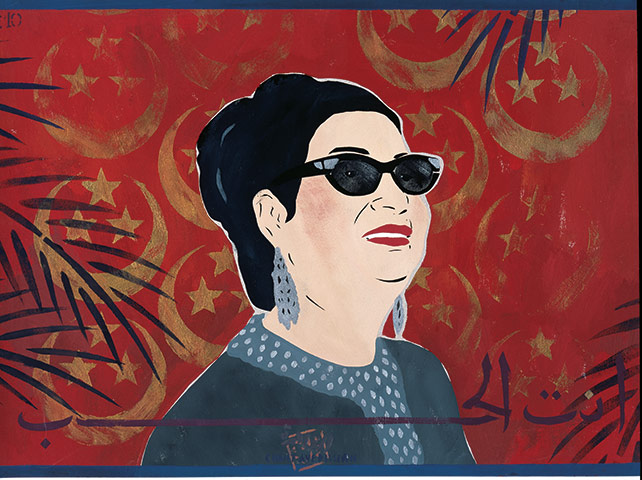
Avedissian's form of Egyptian pop art is on display in Cairo Stencils at Oriel Mostyn gallery until 19 February. Focusing mainly on the 1940s to 60s, Avedissian's deadpan stencilling technique merges the famous and infamous of the Arab world with Egyptian scripts and universally familiar advertising slogans
Photograph: Chant Avedissian/Oriel Mostyn gallery
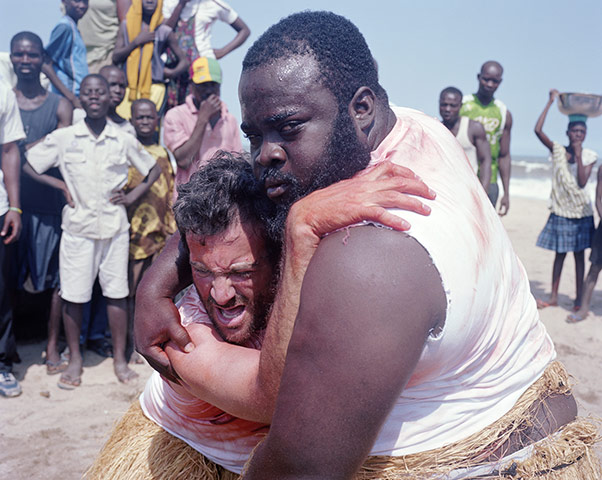
Shot in Ghana, with a cast of local stars, Fishbone's feature-length film Elmina (above) sees the white, New York-raised, London-based artist playing it straight as the black hero in a B-movie medley of globalisation and small-town vice. Catch it at Tate Britain until 3 January or Rokeby until 15 January and marvel at how smoothly the initially absurd figure of the white artist is absorbed into Elmina's fiction
Photograph: Thierry Ball/Courtesy Doug Fishbone and Rokeby
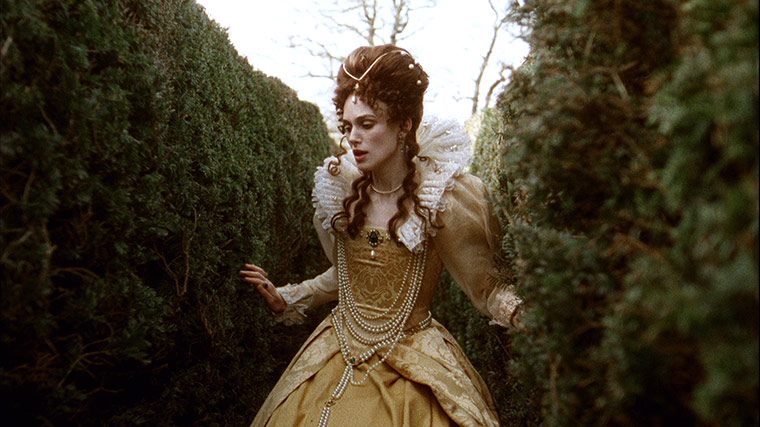
The cavernous shell of Stephenson locomotive works adds grandeur to this changing series of film installations, presented until 9 December by Circa Contemporary Arts Projects. The historical-themed films include Stuart Pearson Wright's Maze (above), in which a regal Keira Knightley is pursued through an Elizabethan maze by her courtier
Photograph: Stuart Pearson Wright
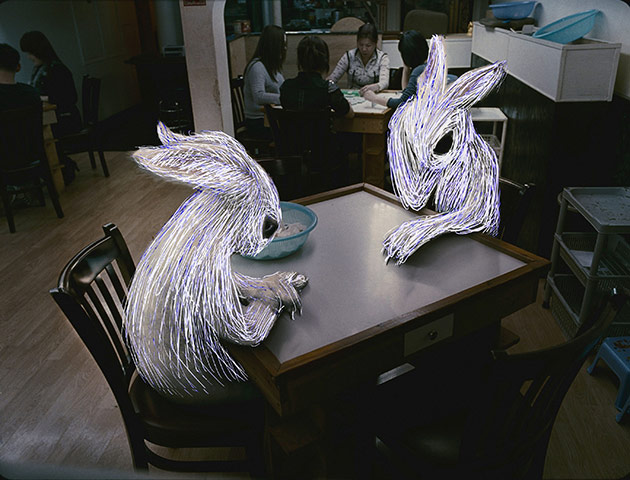
Parreno is best known for his 17-camera film portrait of footballer Zinedine Zidane. At the Serpentine from 25 November until 13 February, he brings the sounds of Hyde Park inside the gallery, and screens Invisible Boy (above), about a Chinese child immigrant who sees monsters scratched into the film stock
Photograph: Centre National des Arts Plastiques (CNAP)
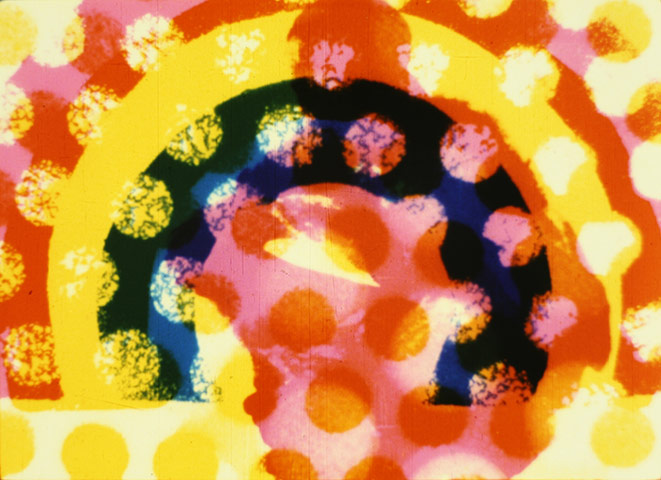
From the 1930s to 50s, New Zealand's Len Lye produced ultra low-tech animations by painting, scratching and stencilling straight on to celluloid film. A retrospective exhibition, The Body Electric, at Ikon Gallery (24 November-13 February), shows how his work pulses with tireless experimentation and daft, innocent fun, exemplified by Rainbow Dance (above, 1936), in which a prancing silhouette does a raindance to the strains of a muffled New Orleans trumpet
Photograph: British Post Office/Len Lye Foundation/Govett-Brewster Art Gallery/New Zealand Film Archive