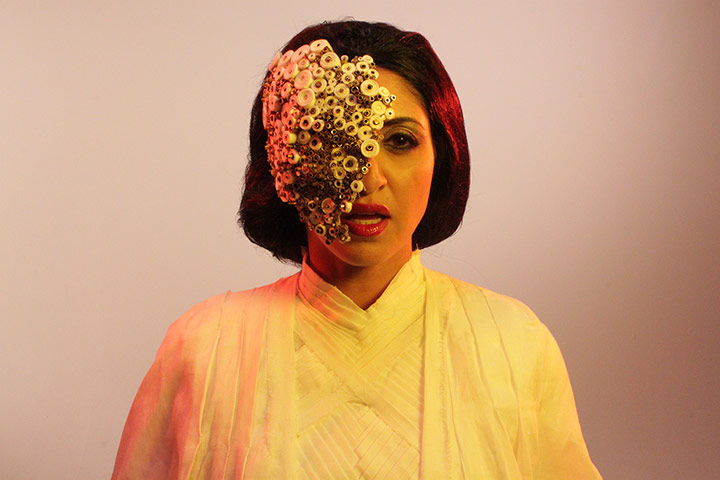
Rooted in his experiences as a British-born artist with Indian and Pakistani heritage, Shezad Dawood's film works push cross-cultural fusions to the limit. His latest film, Piercing Brightness (pictured) is set in Preston, and its leftfield approach shines new light on questions of race and political agency. At Modern Art Oxford until 10 June 2012 Photograph: PR
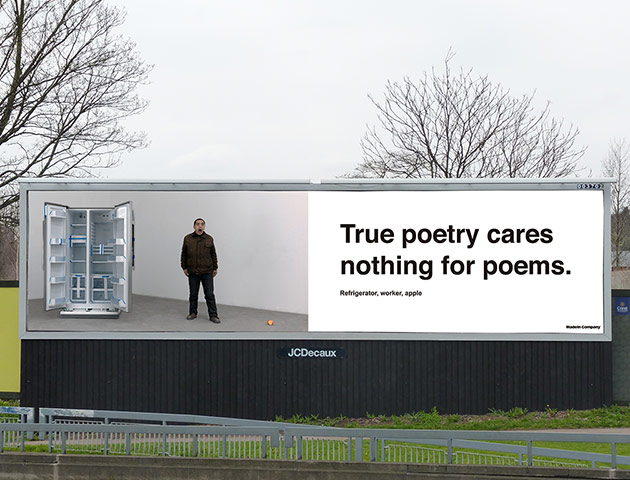
As retail outlets continue to close, almost 100 billboards in the Midlands have been occupied by artists from across the globe, who advertise a welcome dose of ideas. The graffiti vibrancy of Tidal Grace, Stephen Brandes's giant doodle, and Ben Long's remake of Constable's Hay Wain punctuate the commercial commotion with a spirit of private creativity that is made defiantly public. The Mailbox and various venues until 29 April 2012 Photograph: PR
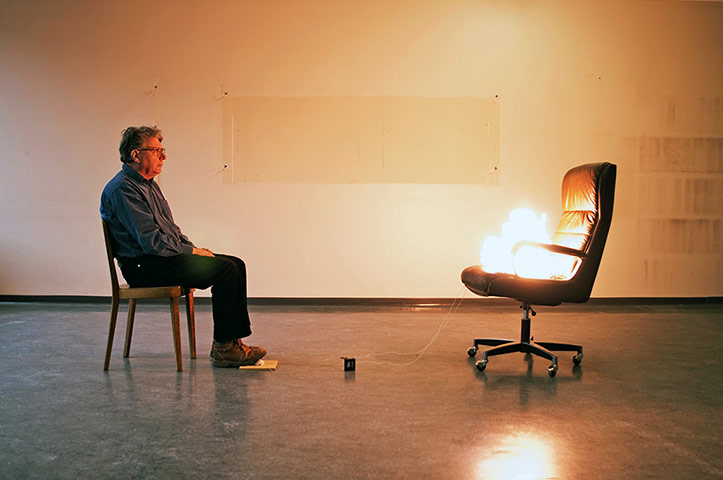
Vane now occupies a large enough space to do justice to an international show like this, dedicated to the enduring influence of the early 20th-century Swiss writer Robert Walser. Admired by every creative loner from Franz Kafka to WG Sebald, Walser epitomised the most radical literature and art of our time. He summed up his life's work as 'a cut-up or disjointed book of the self'. Here artists from Billy Childish to Roman Signer (Beim Chef II, 2009, pictured) hail him as a genius. At Vane until 28 April 2012 Photograph: PR
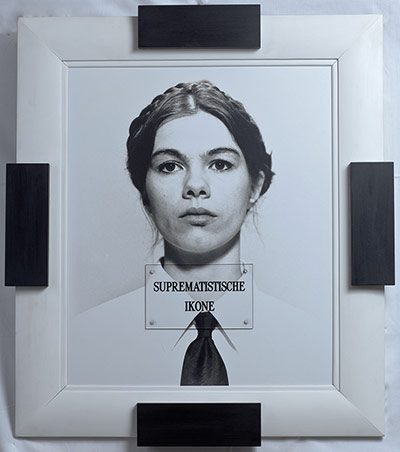
The Slovenian collective NSK has taken a button-pushing approach to questions of national identity in eastern Europe since 1984. Their radical art rock group, Laibach, is famed for their performances in mock totalitarian regalia. NSK's visual arts component IRWIN have pursued a similarly controversial mash-up of authoritarian and artistic symbols. Major installations on show here include Kapital, where modernist art, Nazism and Stalinism collide with taxidermy and religious icons. NSK Folk Art, meanwhile, presents the cultural artefacts of a virtual state founded in 1992. Now boasting 14,000 global citizens, they've created everything from passports to films for their new nation. At Calvert 22, E2, until 24 June 2012 Photograph: Katrin Hencke/Katrin Hencke
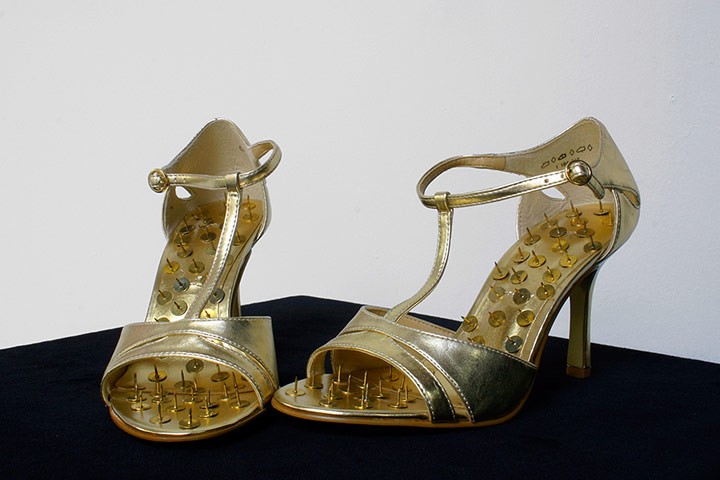
Like many children of the 1940s, Hans Peter Feldmann was a keen stamp collector, channelling his energies into page after page of coloured squares. He's since turned this simple procedure into a rich art of the everyday. His early handmade books collated photographs, yielding stories of private desires en masse. In 1980, Feldmann destroyed or gave away most of his art to spend a decade selling collectable thimbles and tin toys. Today, his modus operandi remains the same: look at the stuff we surround ourselves with, and complex portraits soon take shape. At Serpentine Gallery, W2, 11 April until 5 June 2012 Photograph: PR
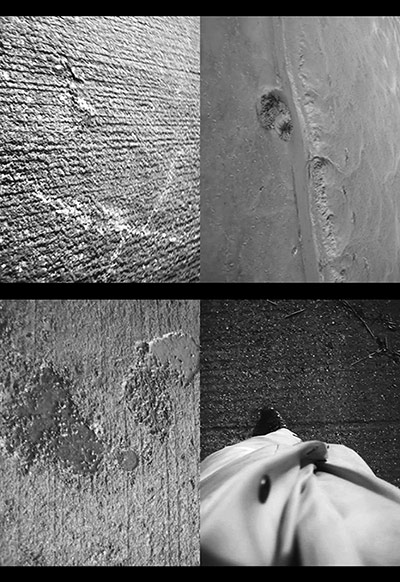
The video art of Marcus Soukup draws our attention to the no man's lands and curious backwater areas where we can see behind the scenes of mainstream activity. What might look like close-ups of a lunar landscape turn out to be the mud flats of Southend. One film charts the flow of the Thames estuary while, on a second monitor, an animation shows the tidal pull of the moon. The piece, titled Un Space, reveals huge forces at work in images of deceptive narrative simplicity. At Walker Art Gallery until 15 July 2012 Photograph: PR
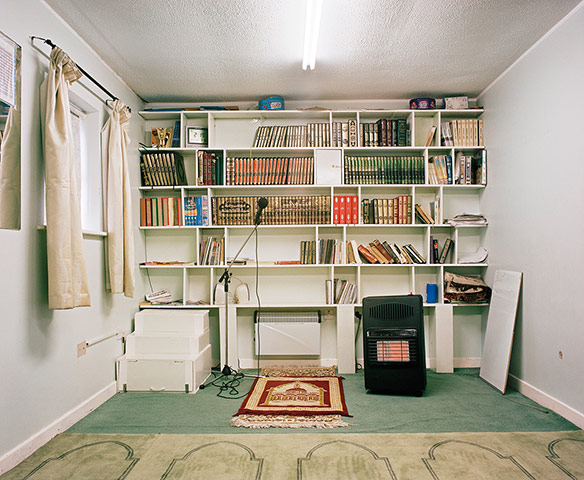
The enduring assumption that Ireland is a monocultural Catholic country is subtly defied by Noel Bowler's photographs. His images suggest quiet and inward-looking observances in spaces otherwise resolutely banal: warehouses, factories, living rooms. They also reveal of mix of relgious cultures: a line of tape on the carpet indicates the direction of Mecca; copies of the Qur'an sit on bookshelves beside tins of Quality Street. Everyday transcendence is indeed made homely. At Impressions Gallery until 16 June 2012 Photograph: PR
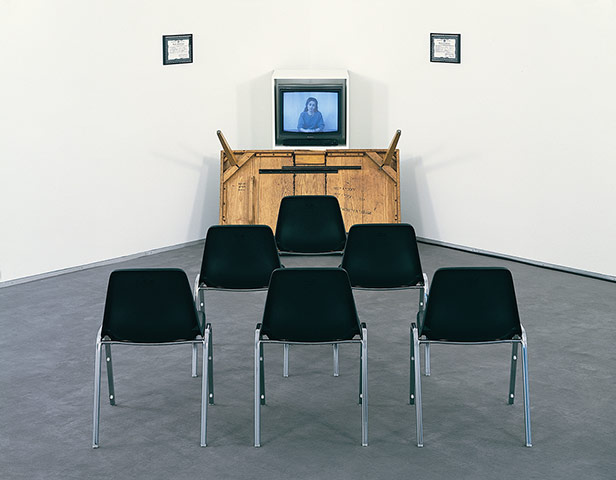
'Television Delivers People,' goes the title of Richard Serra's 1970 video of scrolling script, savaging the media's pact with commerce. It's both an arch and literal statement on the idiot box's impact on our aspirations, knowledge and self-image. As analogue bleeps its last, this show takes in 40 years of change, from the identity politics of Adrian Piper's Cornered, the 1988 video where she talks over the anxiety her white audience feel about her being black (pictured), to Taryn Simon's photographic studies of Alhurra, the US government-sponsored Arabic-language television network. Younger artists such as Tauba Auerbach and LuckyPDF also tap the shift to digital. ICA, SW1, until 10 June 2012 Photograph: PR