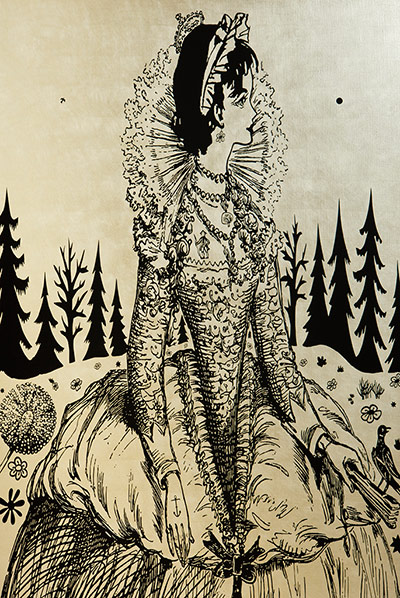
Paul Morrison creates illustrations, often on a huge scale, for stories that have been forgotten or not even written. The factual precision of botanical illustration is seamlessly mixed with the fantasies of fairytales. Princesses wander amid pine forests and flora. There is more than a hint of the bad acid trip about it all: a spider in the grass, or a twinge of paranoia, a spook in the undergrowth. At Millennium Gallery, 7 June to 4 November 2012 Photograph: PR
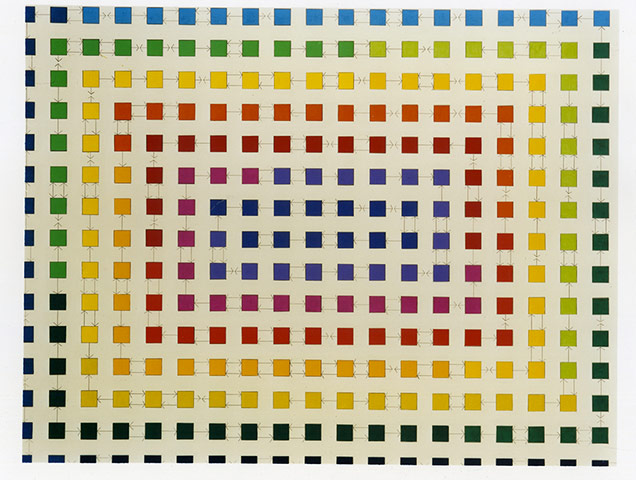
Stephen Willats's approach to art is the opposite of the usual museum model. Instead of playing the remote creator, making work for an unknown public, this pioneer of participatory art collaborates with communities. This show restages Changing Everything, his 1998 work exploring generational differences among Peckham residents, alongside Surfing with the Attractor, a new work made with 14 artists. At South London Gallery, SE5, until 15 July 2012 Photograph: PR
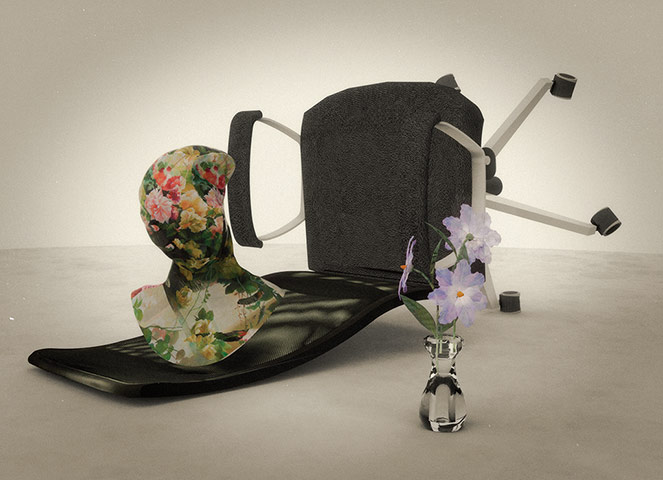
Rafman's latest images feature surreal classical-style busts printed with type, floral patterns and the UPS logo. These eerie, digitally altered creations are paired here with work by Joel Holmberg, whose installation combines giant Post-it notes, Ikea office storage filled with flowers, and a gallery assistant who announces, 'You are the most recent visitor', like a website counter. At Outpost from 2 to 21 June 2012 Photograph: Jon Rafman
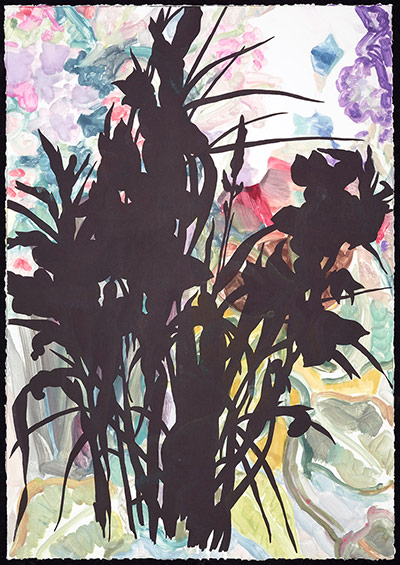
This collaborative showing takes houseplants, Freud and a secret Victorian sex diary for inspiration. Peyton's paintings draw on the ephemeral beauty and erotic symbolism of plants. Horowitz's works, meanwhile, use a pared-down grey palette and houseplants to suggest the feelings that home life evokes. At Sadie Coles, W1, from 7 June to 25 August 2012 Photograph: PR
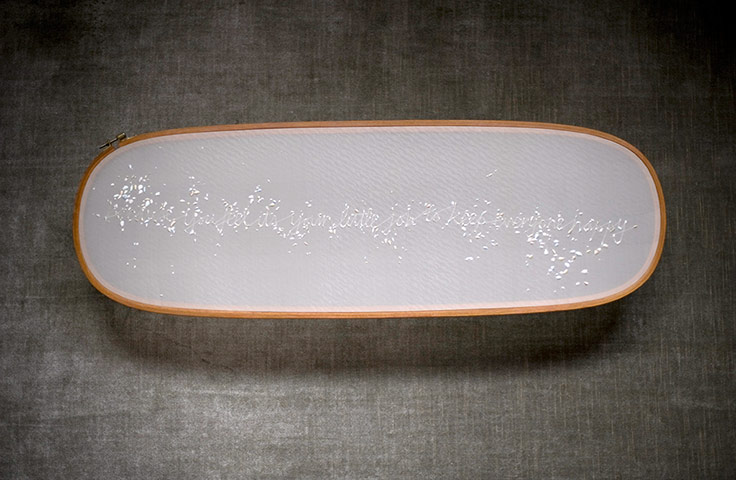
The Victoria Gallery & Museum also houses the University of Liverpool's medical collections, so it's a perfect setting for Tabitha Moses's nightmare arts-and-craft sculptures. Moses references the effect of psychological hysteria on the female body in the form of skin eruptions and twisted limbs, making her work undeniably beautiful and so all the more disturbing. Until 24 November 2012 Photograph: PR
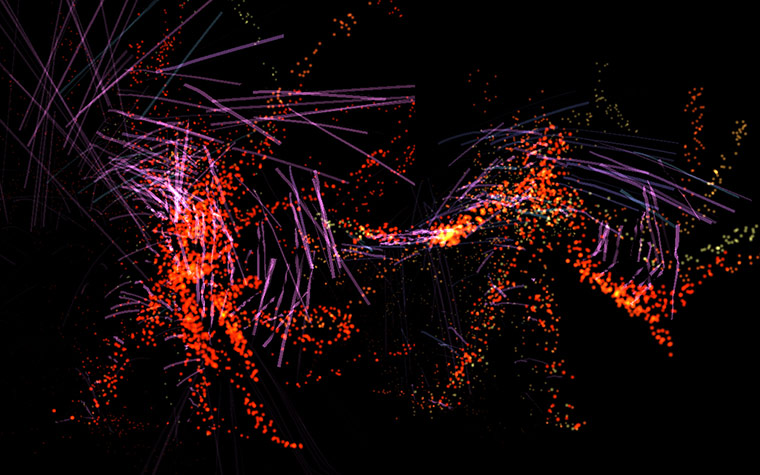
Some miseries might argue this means it cannot be serious art, but any art that is fun has to be at least partly good. Here is a Will Nash table tennis set up where visitors can play and in so doing electronically compose a live sound sculpture. Most dramatic of all is James Alliban's Traces, which converts the most self-conscious of visitors' gestures into an amazement of spaced-out light ribbons and flashing particles. At the Public until 9 September 2012 Photograph: PR
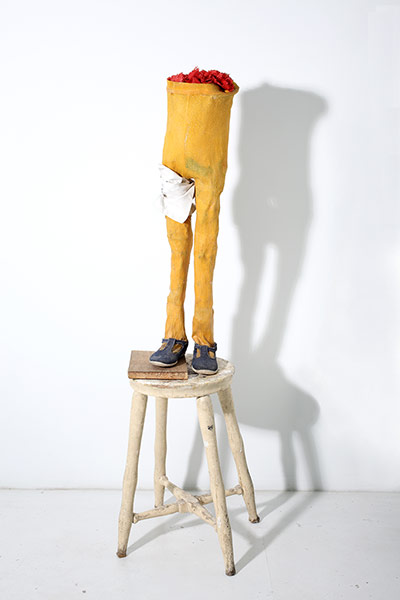
In Composition 1974, a pair of tights, stained bright yellow and packed out with chicken wire and red plastic carnations, perches upright atop an old wooden stool like some kitsch version of a fragmented classical statue. The feet are fitted out with kids' sandals, one of which steps forward on to a scrap of MDF. The Greek artist Vlassis Caniaris, who died last year, could stick any found bits of worthless junk together in an otherwise empty room and manage to infuse and fill it with charm and pathos. At the Henry Moore Institute until 2 September 2012 Photograph: PR
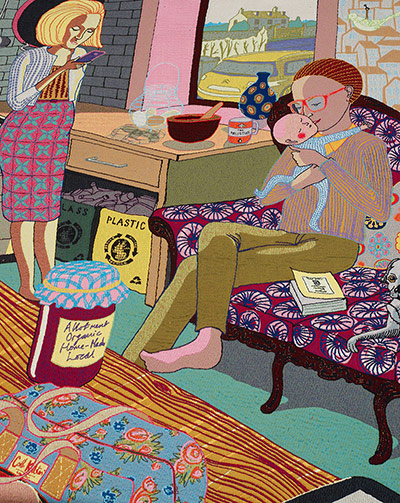
Perry's The Vanity of Small Differences – eight tapestries charting the rise and fall of Tim Rakewell – replaces William Hogarth's London-centric vision with the little England of Tunbridge Wells, Sunderland and the Cotswolds. Newfangled gadgets pile up in his tapestries, made on Photoshop and woven on computerised looms. Smartphones, flash cars and social networking are all coveted trappings as we follow Tim through a land of call centres, car parks and protest camps. At Victoria Miro, N1, from 7 June to 11 August 2012 Photograph: Stephen White