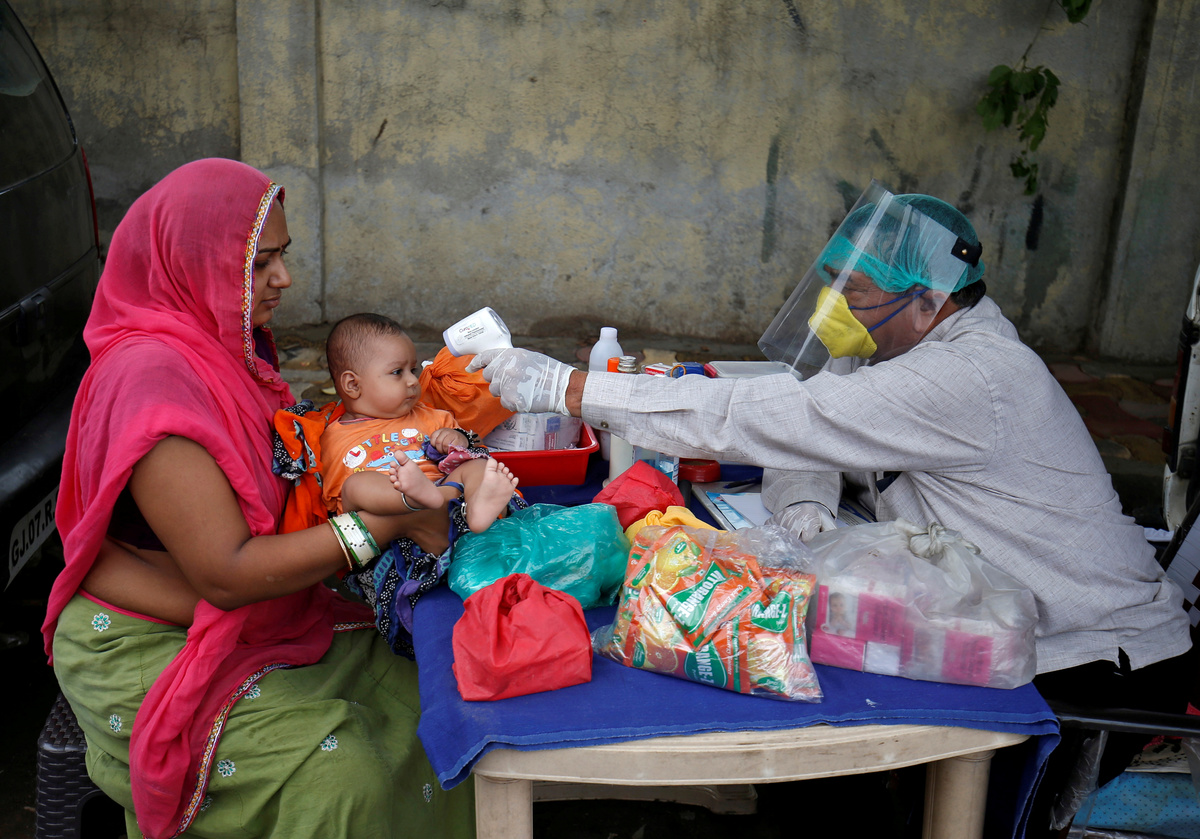
Millions of women and children in poor countries are at risk because the COVID-19 pandemic is disrupting health services they rely on, from neonatal and maternity care to immunisations and contraception, a World Bank global health expert has warned.
Monique Vledder, head of secretariat at the bank's Global Financing Facility (GFF), told Reuters in an interview the agency was gravely worried about the numbers of children missing vaccinations, women giving birth without medical help and interrupted supplies of life-saving medicines like antibiotics.
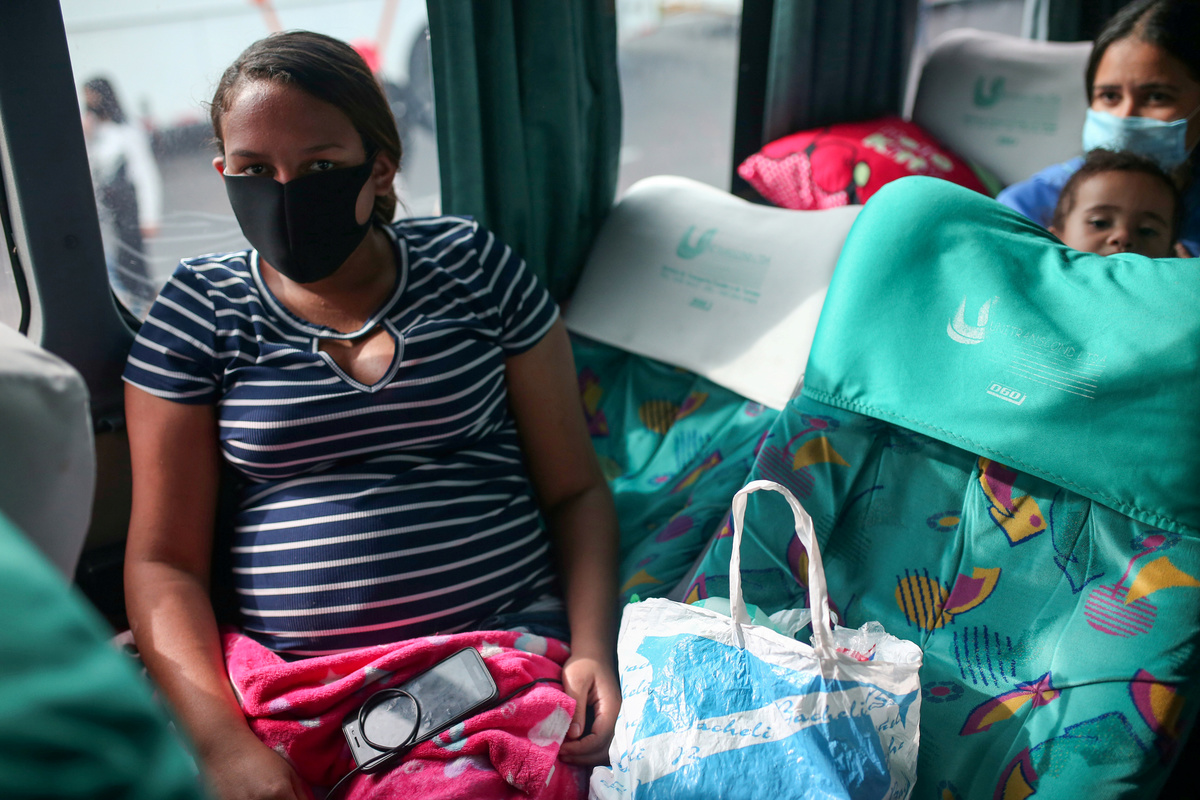
"We're very concerned about what's happening - particularly in sub-Saharan Africa," Vledder said as she unveiled the results of a GFF survey, one of the first seeking to assess the impact of COVID-19 on women's and children's health.
"Many of the countries we work in are fragile and so, by definition, already have very challenging situations when it comes to health service delivery. This is making things worse."
From late March, the GFF has conducted monthly surveys with local staff in 36 countries to monitor the impact of COVID-19 on essential health services for women, children and adolescents.
Sharing the survey findings with Reuters, GFF said that of countries reporting, 87% said the pandemic, fears about infection or lockdown measures designed to curb the spread of the coronavirus, had led to disruptions to health workforces.
More than three-quarters of countries also reported disruptions in supplies of key medicines for mothers and babies, such as antibiotics to treat infections and oxytocin, a drug for preventing excessive bleeding after childbirth.
The number of GFF countries reporting service disruptions nearly doubled from 10 in April to 19 in June, and the number reporting fewer people seeking essential health services jumped to 22 in June from five in April.
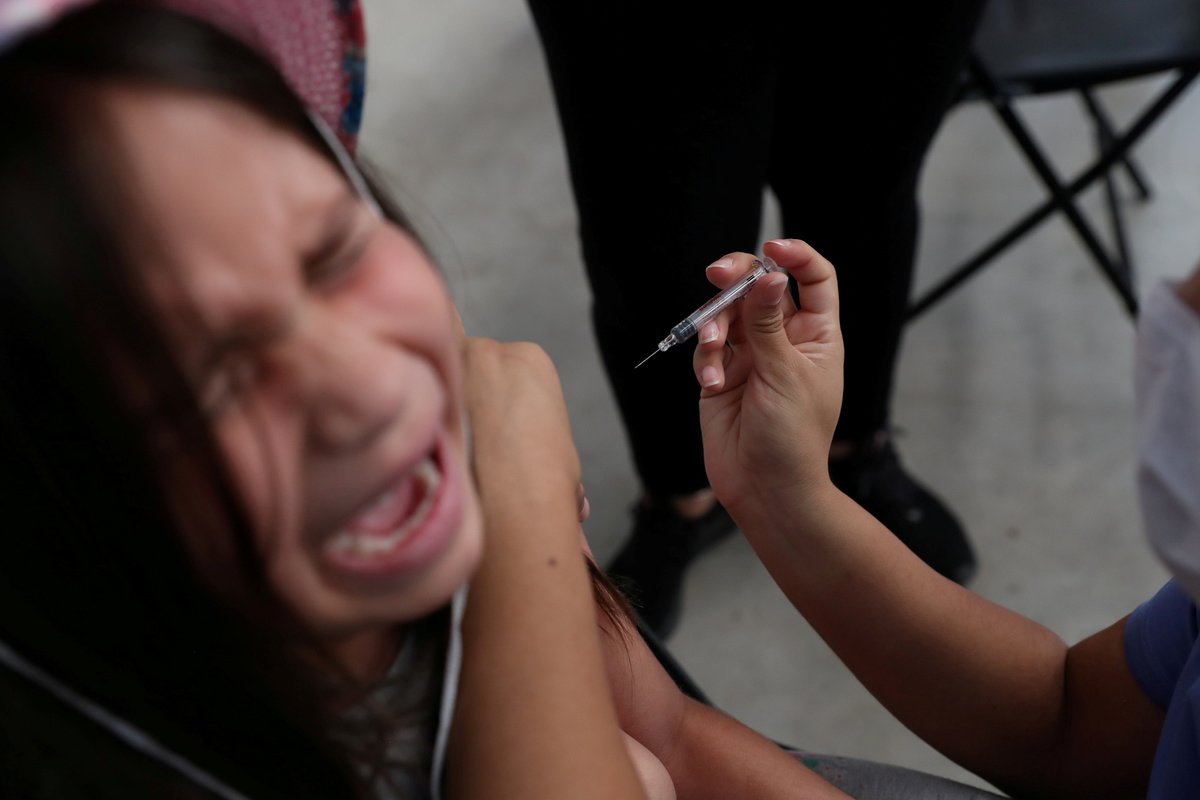
GFF found that in Liberia, for example, fears about COVID-19 were preventing parents from taking their children to health clinics. In Ghana, some pregnant and lactating mothers were opting to postpone antenatal services and routine immunisations for fear of contracting the pandemic disease.
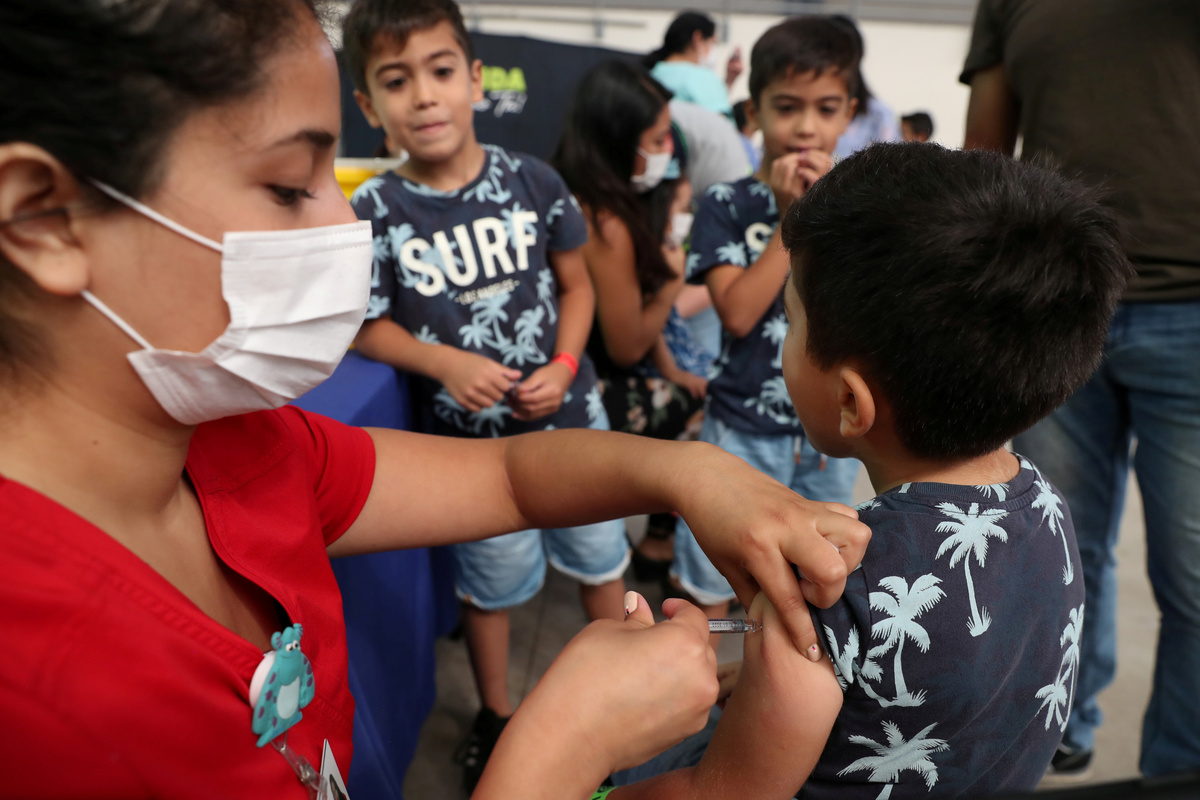
"We are seeing declining vaccination rates among children. We're seeing women accessing services less for ante- or post-natal care. We're seeing a decline in babies being born in health facilities. And we're also seeing a slide in outpatient services - for treatments for diarrhoea, malaria, fever, pneumonia for example," Vledder said.
Rapidly declining access to reproductive health supplies is also a key worry, Vledder added. The GFF estimates that if the situation does not improve as many as 26 million women could lose access to contraception in the 36 countries, leading to nearly 8 million unintended pregnancies.
(Reporting by Kate Kelland; Editing by Josephine Mason and Alex Richardson)