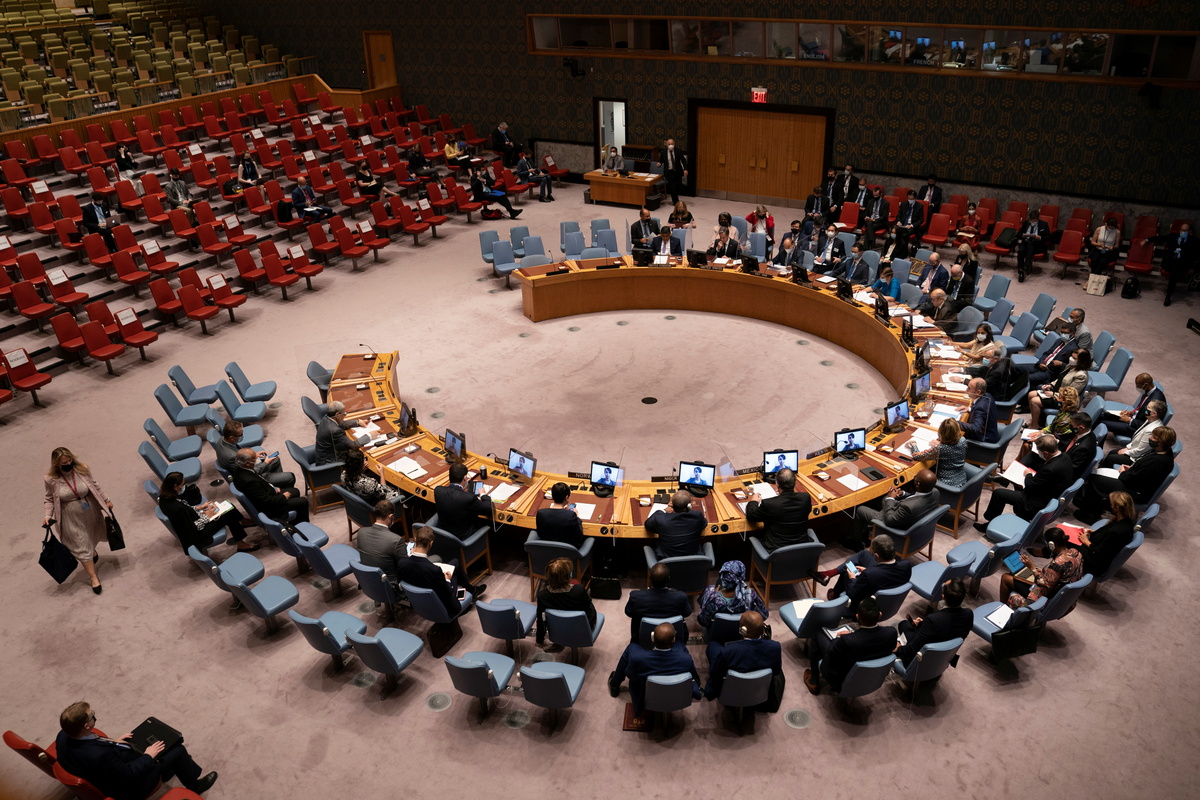
Russia is delaying the appointment of panels of independent experts to monitor violations of U.N. sanctions on South Sudan, the Democratic Republic of Congo, Central African Republic (CAR)and Mali, diplomats said on Wednesday, leaving their work in limbo.
Russia is unhappy with the number of experts appointed from Western countries, diplomats said, and would like more Russians named to the panels. Russia is working to expand its influence in Africa, specifically challenging traditional French sway in Mali and CAR.
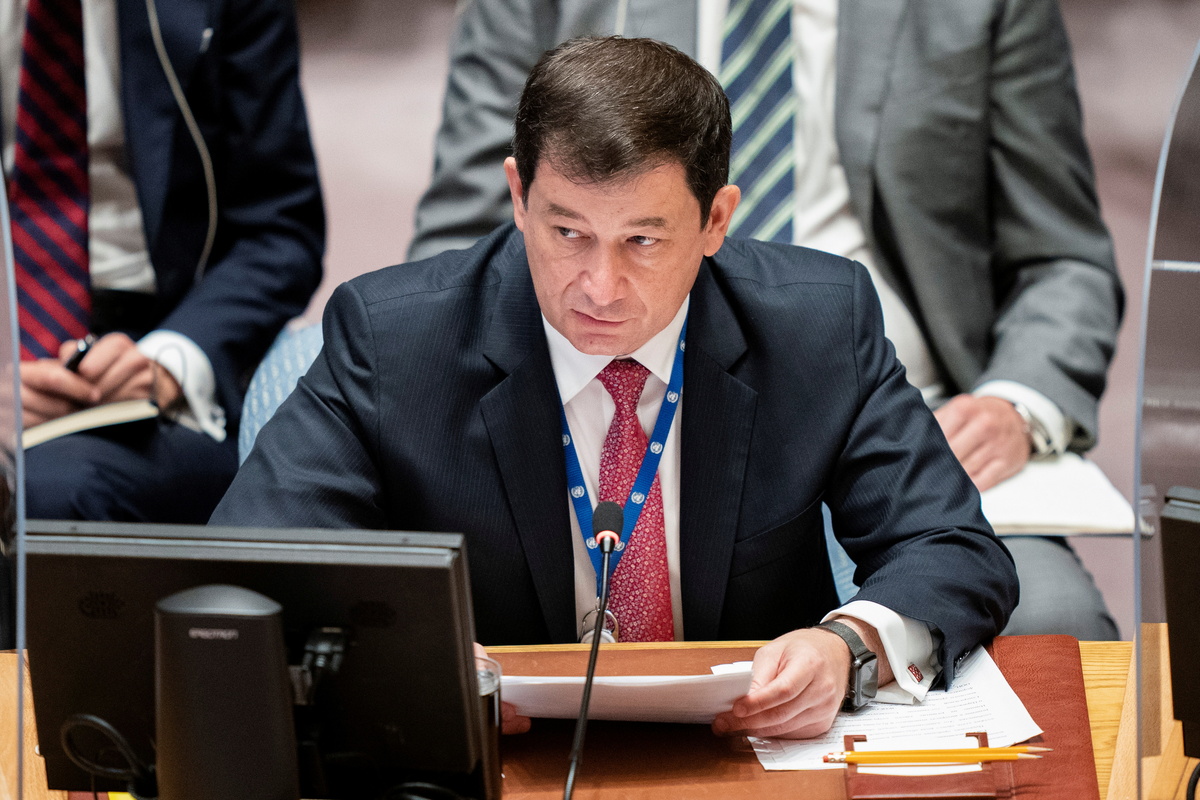
"Russia indeed put on hold the approval of a number of panels or individual experts," Russia's deputy U.N. Ambassador Dmitry Polyanskiy told Reuters. "Unfortunately we are still faced with the situation when the proposed composition of such panels is not geographically balanced. We have a predominance of representatives of Western countries."
The mandates for the panel of experts on South Sudan expired on July 1, for Democratic Republic of Congo on Aug. 1, CAR on Aug. 31 and Mali ends on Sept. 30.
Until the council agrees to U.N. Secretary-General Antonio Guterres' appointments for the new mandate of these panels, the experts can't start work and their efforts to track sanctions violations are hampered.
Russia is also delaying a replacement appointment of one expert to the panel monitoring sanctions on Somalia, diplomats said. The rest of the experts on that panel are able to work until their mandate expires in mid-December.
Guterres appoints panels of between four and six independent experts for each of these U.N. sanctions regimes. They monitor and report to the Security Council on violations and recommend further action.
Each year the Security Council renews the various sanctions regimes and the mandates for the panels. Guterres then writes a letter to the council to tell them which experts he has appointed and the 15-member body - by consensus - acknowledges the decision, allowing the panel to start work.
"Some of the experts do not meet the requirements of impartiality, neutrality and independence," Polyanskiy said. "This affects the results of their work. This situation should be fixed,"
Earlier this year, the panel of experts monitoring CAR sanctions accused Russian military instructors and CAR troops of targeting civilians with excessive force, indiscriminate killings, occupation of schools and large-scale looting. The Kremlin has said it is a lie that Russian instructors had taken part in killings or robberies.
(Reporting by Michelle Nichols at the United Nations and Jonathan Saul in London; editing by Grant McCool)