
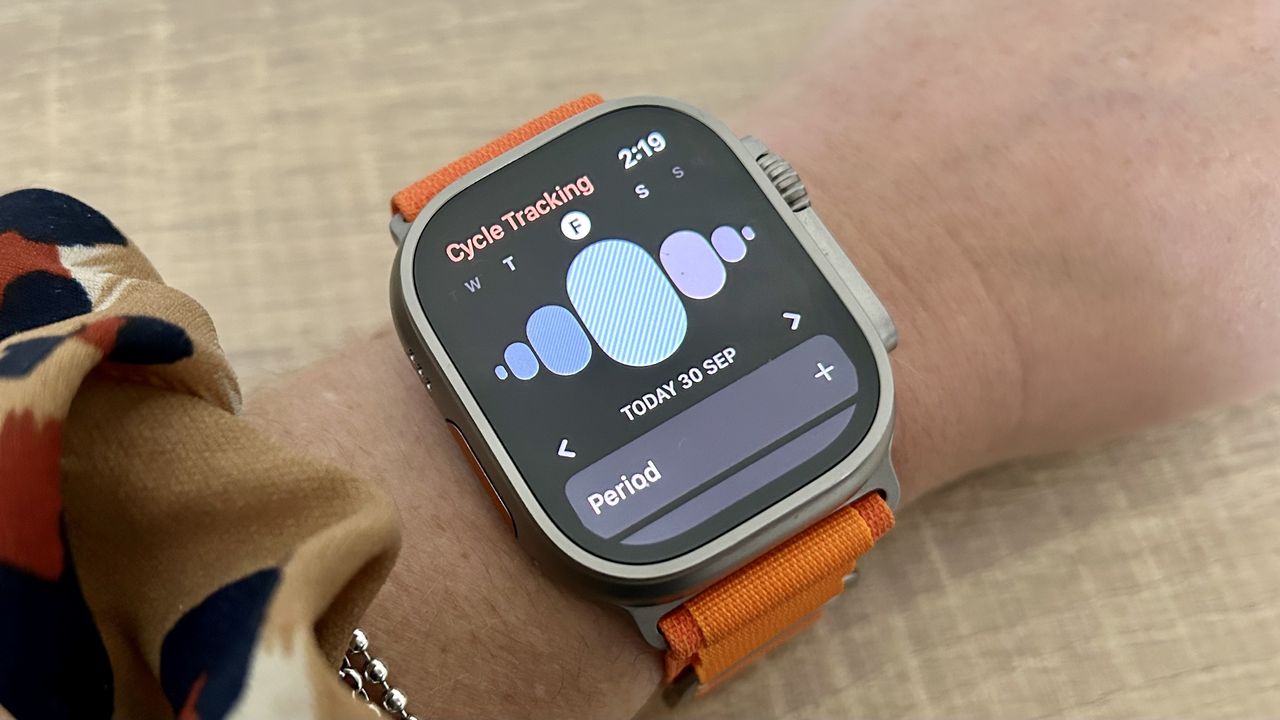
Perimenopause — the transition leading up to menopause — remains one of the most significant gaps in modern medicine. For years, clinical criteria have focused on a woman’s bleeding cycle, rather than symptom patterns, but research shows that hormonal fluctations and neurological symptoms like anxiety, brain fog, and sleep disruption can occur years before a woman’s period becomes irregular.
Apple is striving to change this, adding menopause and perimenopause tracking to the Health app. Sitting under Cycle Tracking, users can track their symptoms and monitor their cycles. Many women don’t recognize they are in perimenopause, so with iOS 27, users aged 40 and over can receive a notification if a deviation in their logged cycle is suggestive of perimenopause. Users don’t need an Apple Watch to do this — they can use the Cycle Tracking feature on iPhone or iPad. There’s also a new Strong Through Menopause Fitness+ program designed to build strength, improve balance and mobility, and reduce stress.
I’ve been writing about the Apple Watch since before it could even track periods (a feature that was added in September 2019 for anyone wondering), so I was keen to sit down with Dr Lauren Cheung (Clinician at Apple) and Julz Arney (Senior Director of Fitness Technologies), to find out more about its new Women’s Health features.
Why the focus on perimenopause and menopause now?
Through its Health app, Apple has strived to support women through every stage of life. "For us, it's been really important to help users turn their health information into meaningful insights they can better understand and act on", explains Dr Cheung. "We believe everyone deserves powerful personalized health tools, and so we have a track record of focusing on health needs that have often been overlooked and building thoughtful solutions, whether that's for fall risk to hearing health, to heart rhythm notifications, and as you know, cycle tracking and women's health has been long, long been one of those areas of health that's been underserved."
"Cycle tracking is a feature that we design to grow with you from logging a first period to family building, to pregnancy, to ongoing health awareness, and what makes this powerful is that continuity", Dr Cheung tells me as we chat. "It's a system that offers the right tool at the right moment. With our newest updates, we're extending that continuity into a life stage that, as you know, probably affects roughly half the world's population, but again has historically been underresearched, misunderstood, and very often stigmatized, and that's perimenopause and menopause."
What's changing in the Health app in iOS 27?
Users can now log whether they're in perimenopause or menopause, they can track symptoms, and they can monitor their cycles over time. If you're over 40 and the Cycle Tracking app spots irregular or missed periods, users will get an alert that they might be in perimenopause.
There will also be new educational articles to help users understand the new changes.
This is a life stage that probably affects roughly half the world's population, but has historically been underresearched, misunderstood, and very often stigmatized, and that's perimenopause and menopause.
Dr Lauren Cheung (Clinician at Apple)
There's also a new Apple Fitness Plus program, Strong Through Menopause, which is a progressive three-week program featuring weekly Yoga and Strength workouts designed to help users navigating perimenopause and menopause build strength, improve balance and mobility, and reduce stress
Jules Arney, Senior Director of Fitness Technologies, told Tom's Guide, "Staying active, it's one of the most powerful things you can do for your body and mind, especially during this transition, and we just really wanted to make sure we were showing up for users in this moment specifically. We've always believed that fitness should be accessible and welcoming for everyone, and so we looked at what users going through perimenopause and menopause actually mean."
"And what we landed on is that it isn't about performance metrics necessarily in this stage of life. It's about resilience and finding ways to protect your health and feel strong and really feel more like yourself through the journey."
How many consecutive months of cycle data are required before the health app triggers a perimenopause alert?
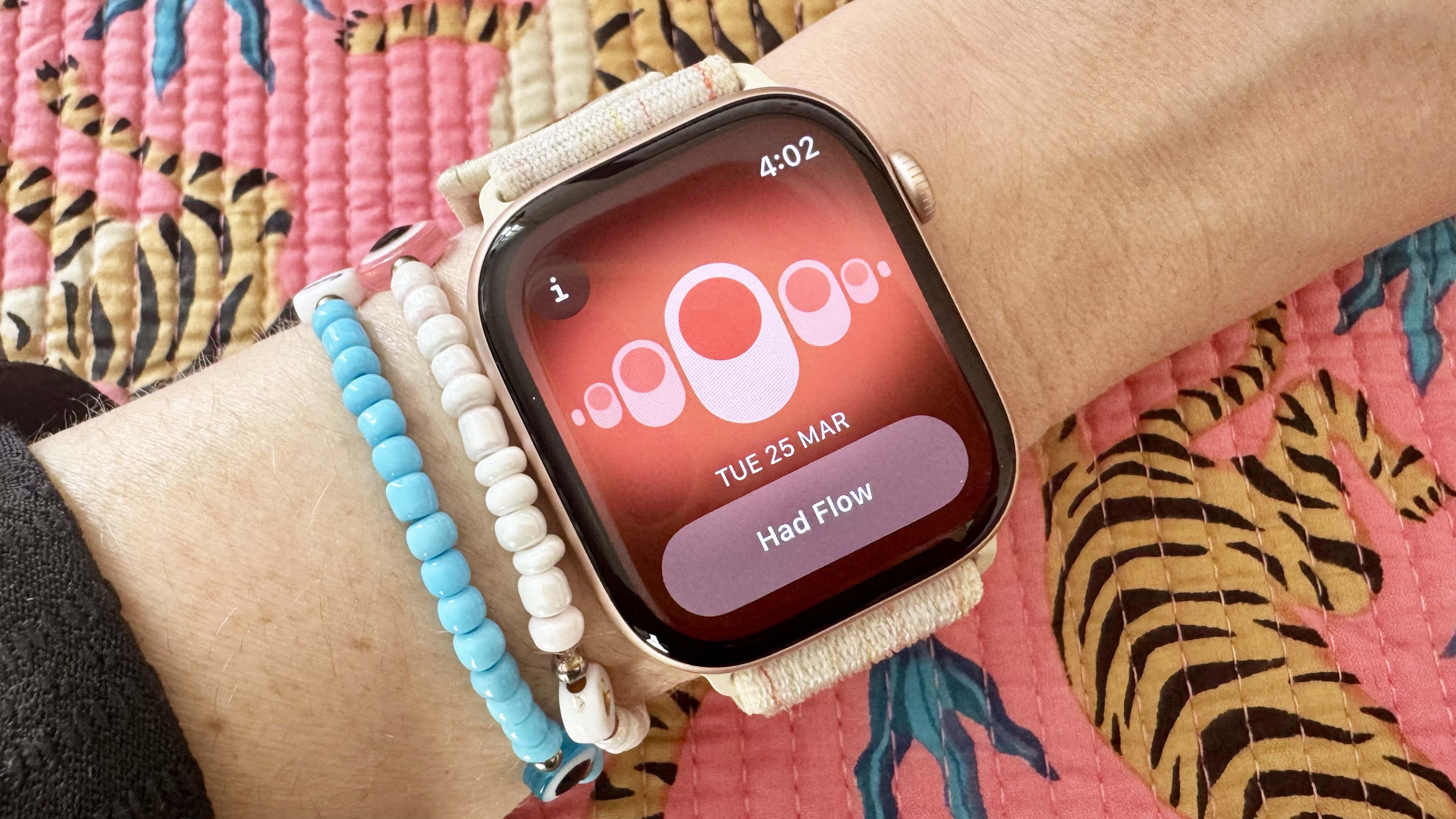
"We use a six-month window, and we look for essentially more than one abnormal occurrence," explains Dr Cheung.
Anyone tracking their cycle will know it's not abnormal to have one or two cycles that look a little different for several reasons, so Apple explained that this longer six-month period allows them to be more certain when it is something a user actually needs to pay attention to.
When I asked how the tool would be able to differentiate between perimenopausal irregularities and other causes of erratic periods, such as PCOS, Dr Cheung explained, "We are using the FIGO guidelines — that’s the Federation of International Obstetrician-Gynecologists, and they have definitions for irregular and infrequent menses. Anyone at any age can get one of those deviations for an irregular or infrequent period, but once users are over the age of 40, it is more likely that one of those deviations is likely due to perimenopause."
Research suggests that perimenopause can start as early as your late 30s, but Apple has decided to restrict these alerts to users aged 40 or over. Why, I asked Dr Cheung? "Women in their late 30s can develop perimenopause, but it is less common. For anyone under the age of 40, we think it's really important that they still treat this as something that they need to go and talk to their physician about to confirm that it isn't something else that might be causing it," she tells me.
How much does the tracking rely on the Apple Watch's wrist temperature tool vs manual logging?
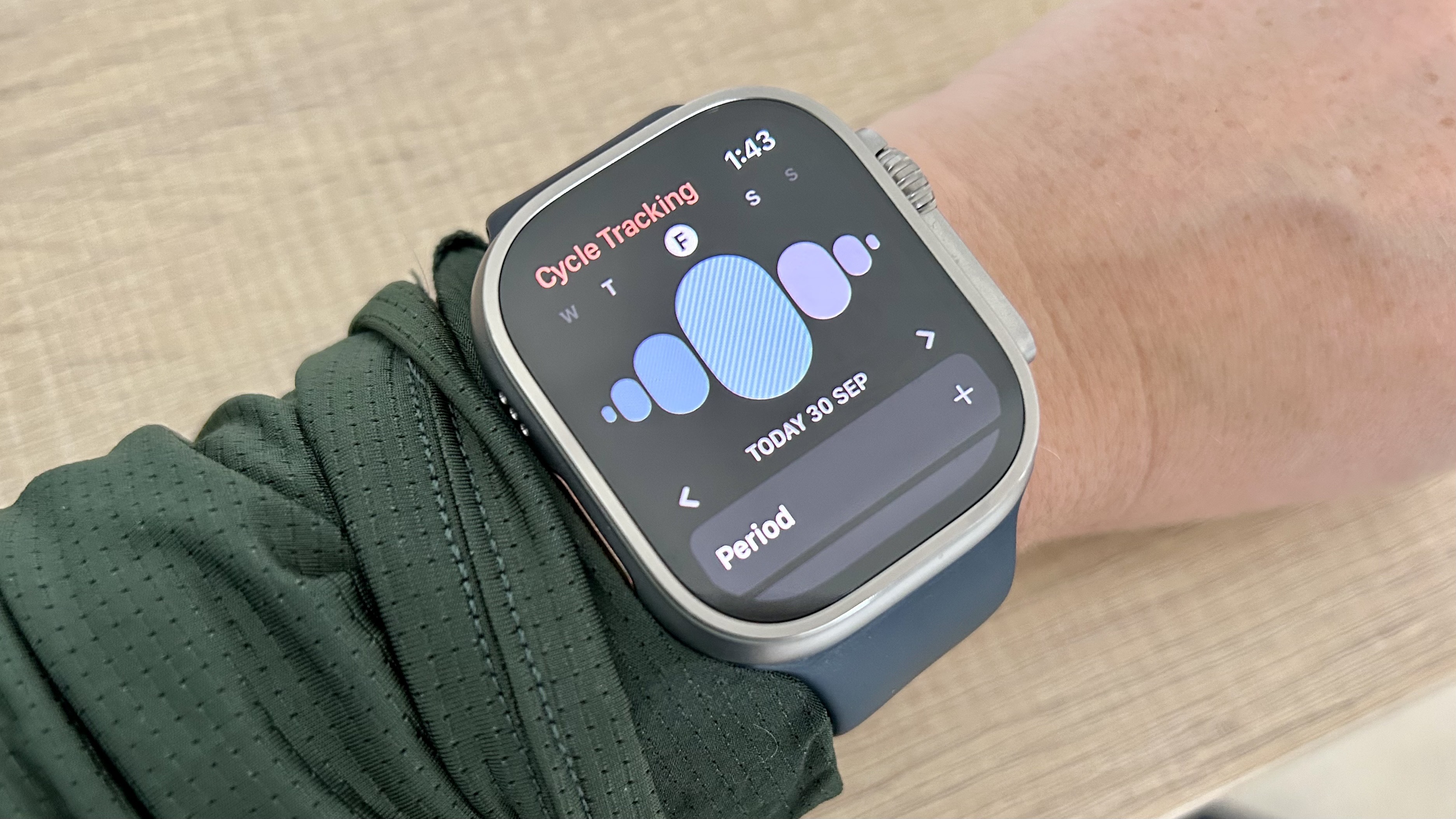
"It is all based on manual logging," explains Dr Cheung. "However, what the temperature and heart rate data on Apple Watch do is improve the accuracy of our predictions. When someone uses temperature to better track and understand retrospective ovulation and their cycles in general, it improves the period predictions as well as the fertile window predictions," she adds.
At the rollout, the temperature sensor on the Apple Watch won't be able to record symptoms like night sweats and hot flashes; users will have to manually log these. Night sweats also won't be linked to the sleep tracking feature just yet, explains Dr Cheung. "They're not linked at this point, but what users can do is they can track symptoms in the cycle tracking room, including sleep changes, and then through the PDF, they can actually understand the symptoms they've logged in conjunction with the rest of their cycle and things like sleep changes and other symptoms that they have."
What’s unique about Strong Through Menopause compared to other Fitness+ programmes?
"What's unique about this program, compared to others that you might find in a general fitness routine, is that the trainers are going to talk about that pelvic floor activation and help you feel confident in movement, which hopefully will scale to other things that you want to do after this program," explains Arney.
"The trainers themselves, you know, are in this stage of life, and so it's just really relatable. Some of the things that are built in that you are so important to talk about are things like incontinence, which is a big blocker for people doing any kind of movement. It's not that they are harping on the subject, but you just feel this real sense of like we're all in this together because they understand it as well."