

Researchers at Adobe have developed a new type of transparent display that allows virtual images and video to appear convincingly next to real objects.
Why it matters: Glasses offer one way to bring together the digital and physical worlds, but that approach requires each person viewing to have a headset on, while this approach would allow the same effect to be shown to many people at once, which would be more useful for retail and other settings.
The company plans to detail the effort, known as Project Glasswing, at the Siggraph conference next week, but gave Axios a sneak peek at company HQ on Thursday.
Traditional LCD displays can be transparent, but only by removing the backlight, which makes them dim and unable to truly overlay an object behind them.
How it works: Adobe's approach combines a transparent LCD layer with the kind of technology used in smart glass that quickly shifts between total opacity or full translucency.
The cash register-size unit contains a standard PC along with the two display technologies, plus a touch-screen layer, that sit in front of a light box that can hold the real-world objects.
The resulting screen is like a Photoshop image with layers: The digital part is the top layer that sits in front of whatever real objects are behind the glass inside the light box.
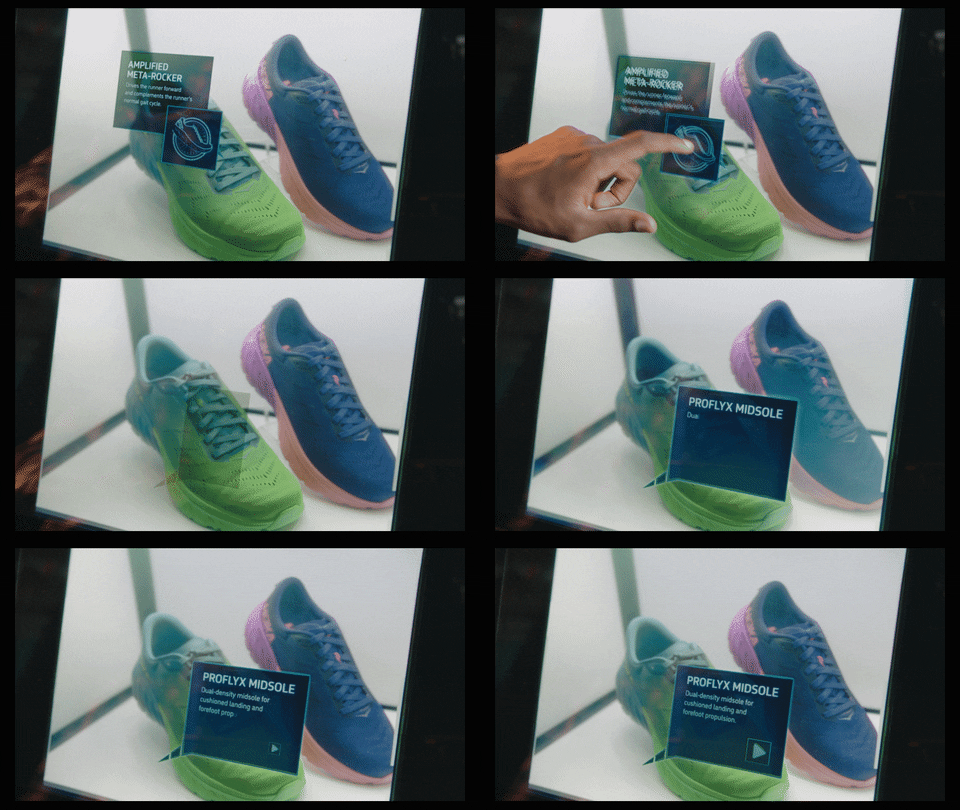
Importantly for Adobe, the content for Glasswing's display can be easily created from existing Adobe apps like Photoshop, After Effects or Premiere Pro.
The effort took a five-person research team about a year and the materials cost several thousand dollars, with most of the money going towards the smart glass and controller, which had to be custom ordered from Latvia at a cost of around $4,000. But, if produced in volume, the technology could be made much cheaper,
"It’s not an exotic device that’s intrinsically expensive," Adobe CTO Abhay Parasnis said in an interview.
The bigger picture: Parasnis said Adobe is looking at a number of ways to bring the digital and physical worlds closer together for content creators. While Glasswing is a research project, two other efforts are expected to be made available as products later this year.
- Aero is a means to allow people to easily turn Photoshop and Dimension content into augmented reality objects.
- Fresco aims to create a digital canvas that more closely resembles a real-world surface with the ability to add liquid or even wind to a digital watercolor.
What's next: Adobe isn't looking to get into the monitor-making business, but hopes the effort will help convince display manufacturers that the idea is worth pursuing.
In the long term, Parasnis believes the approach could be used on giant pieces of glass to allow entire workplace walls or windows to alternate between acting as a giant display or a transparent surface.To really get a feel for how Glasswing works, it's best to see it in action. Check out this video.