Breakthroughs in blood tests have boosted hopes that there soon may be a simple way for doctors to detect Alzheimer’s disease years before symptoms appear.
Scientists from the US and Europe say data shows that levels of a specific form of tau protein – a hallmark of Alzheimer’s – can be detected in the blood.
One blood test developed by the research team at Lund University in Sweden may be able to detect changes in the brain around 20 years before dementia symptoms occur.
Dr Oskar Hansson from the university said: “This test, once verified and confirmed, opens the possibility of early diagnosis of Alzheimer’s before the dementia stage, which is very important for clinical trials evaluating novel therapies that might stop or slow down the disease process.”
Researchers reported results of multiple encouraging studies on blood test advances for abnormal versions of the tau protein during the latest Alzheimer’s Association International Conference.
Dr Amanda Heslegrave, a senior research fellow at the UK Dementia Research Institute at University College London, welcomed the “exciting” findings, but also urged caution.
She said: “You could not say that they indicate a definitive test for potential Alzheimer’s disease is available right now.”
Dr Rosa Sancho, the head of research at Alzheimer’s Research UK, said further work on a larger scale is needed “before they could be used by doctors making a diagnosis in the clinic”.
The research suggests that levels of p-tau217 are elevated during the early stages of the disease. A build-up of tau “tangles” is thought to correlate closely with cognitive decline.
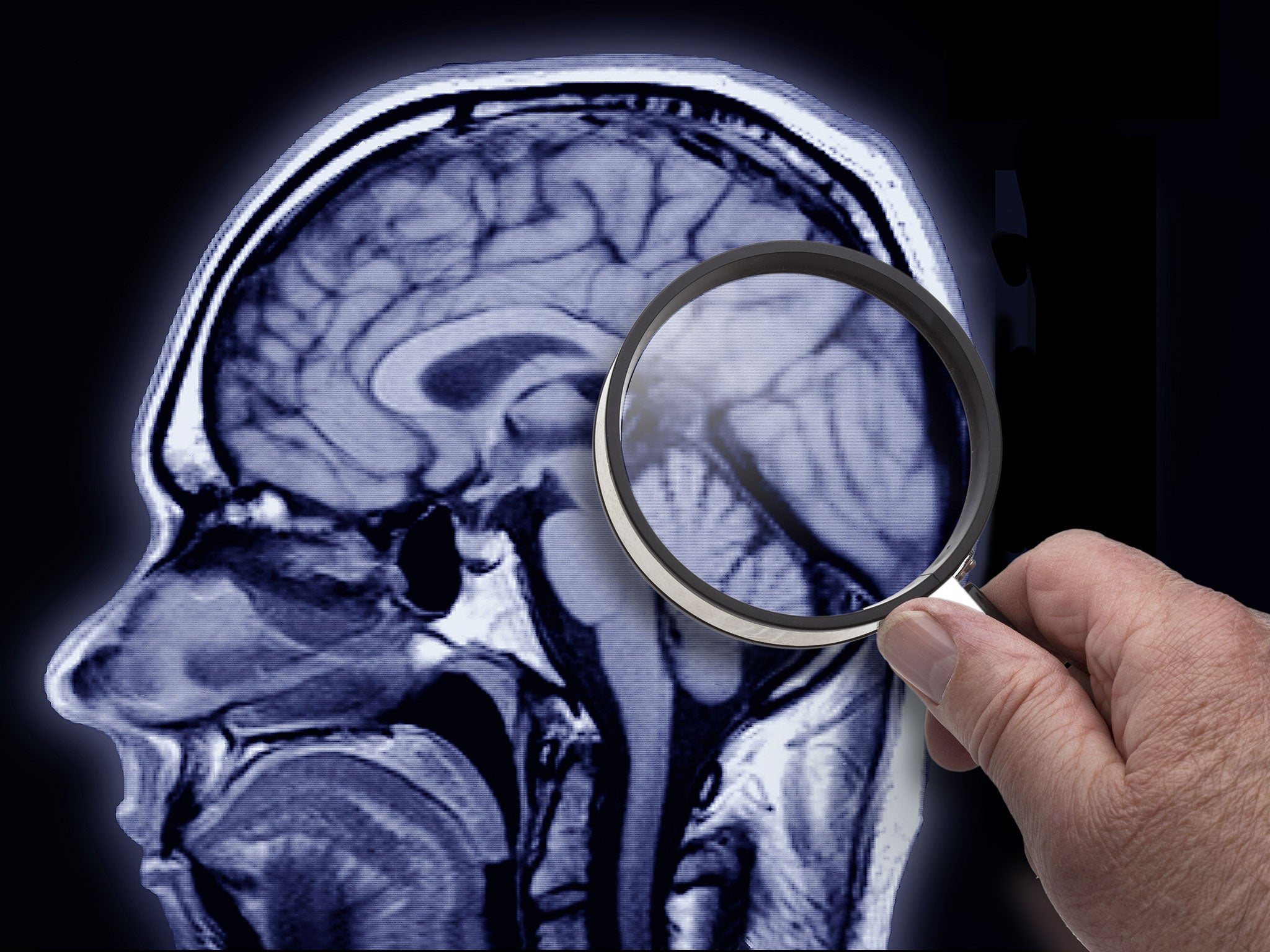
Scans and tests of spinal fluid are currently the only ways to detect the brain changes that occur before Alzheimer’s dementia symptoms appear. But these methods are expensive and invasive.
The Lund University team identified a highly accurate, blood-based biomarker for the detection of Alzheimer’s disease by measuring levels of p-tau217 in blood.
US researchers at Washington University School of Medicine also found looking at p-tau217 in the blood could give as clear a picture of the disease as a brain (PET) scan.
Dr Randall Bateman said the Washington team’s findings “support the idea that tau isoforms in the blood are potentially useful for detecting and diagnosing Alzheimer’s disease pathology” – adding that it could replace “costly PET imaging”.