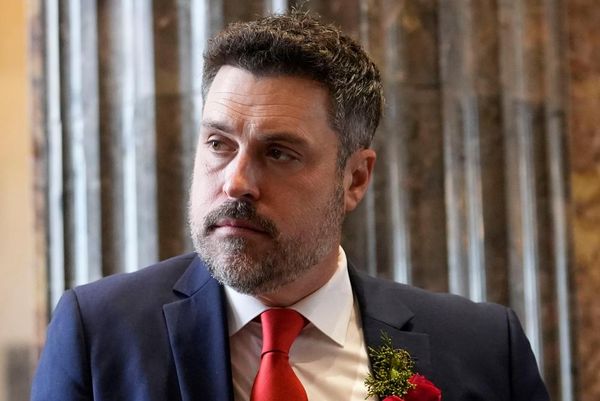
Jan. 28--The onetime president of the Illinois police chiefs association has pleaded guilty to charges he misused more than $250,000 that he raised for a suburban Chicago police helicopter program.
Former Countryside Chief Timothy Swanson, 56, of Bourbonnais, pleaded guilty Tuesday to seven charges involving a nonprofit begun in 2005 that took donations for from scores of police departments across the region.
He is set to be sentenced in May on charges of mail fraud, money laundering, tax evasion and filing false tax returns. Sentencing guidelines are expected to call for a three- to five-year prison sentence, although a judge is not obligated to follow them, prosecutors said. In the meantime, he remains free on bond and barred from possessing a firearm.
The plea highlights a dramatic downfall for a chief once considered a rising star in law enforcement circles, even as he left a trail of controversy from job to job.
His popularity centered on an upstart, nonprofit program to equip and fly police helicopters across metro Chicago -- a program that won Swanson a national policing award and helped launched him into leadership roles in the Illinois Association of Chiefs of Police. But as he was climbing the association ladder, he retired from Countryside amid questions about how he handled cash involving the program.
He took his program to the Kankakee County sheriff's office, but state and federal officials grounded it after questioning how Swanson used and maintained the military-surplus helicopters lent to him for the program.
A 2012 Tribune investigation disclosed a host of additional questionable actions by Swanson, such as how he started the program with a convicted felon who had been accused of fraud; how the program steered grant money to a side business they had begun; and how Swanson kept raising money for a nonprofit he repeatedly failed to register with the state.
Last year, a federal grand jury indicted Swanson, alleging that he took cash from the nonprofit to pay personal bills. The indictment sought nearly $200,000 in restitution. By then, Swanson had been forced out of the chiefs association and the sheriff's office.
Swanson had previously denied any wrongdoing and cast himself as the victim of unfair attacks. As part of that, he filed a lawsuit against the Tribune in 2013 alleging that its 2012 article contained false statements, including that he was under criminal investigation. Swanson dropped the lawsuit after an IRS agent served a subpoena on Swanson's boss to appear before the grand jury that later indicted Swanson.
Because of his plea, Swanson could lose his pension from Countryside. Under state law, a police officer convicted of a felony must lose his pension if any of the illegal acts relates to, arises out of or is connected with his or her work as a police officer, said the attorney for Countryside's police pension board, Thomas Radja. Pension boards get to make that determination. Radja said the Countryside board is meeting this week, but it likely would not have time to review the case, hear Swanson's side of it and make a decision until later this year.
Joining the IRS in the investigation were the Department of Defense and Federal Deposit Insurance Corp. The case was prosecuted by the U.S. attorney for the Central District of Illinois.
Swanson's attorney did not respond to an email sent last week.
jmahr@tribune.com