SEOUL -- A former North Korean diplomat who defected to South Korea said in an interview with The Yomiuri Shimbun that the food shortage has recently broadened in North Korea, making the regime increasingly unstable.
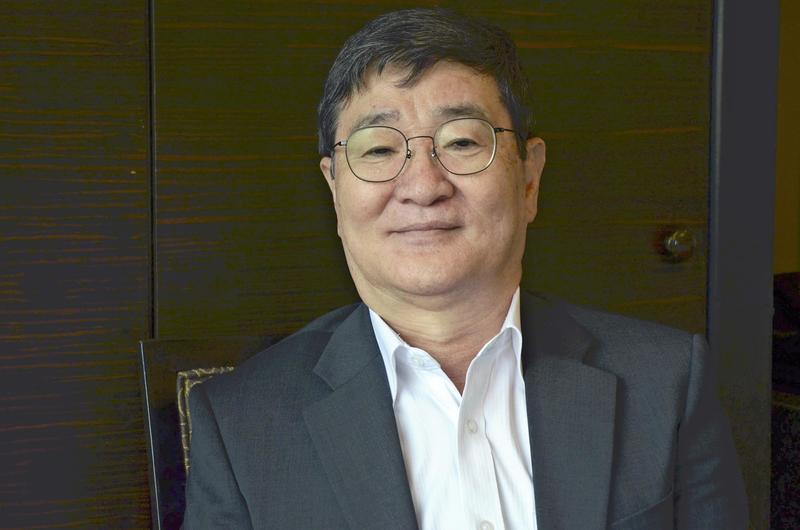
Ko Young Hwan, former vice president of the Institute for National Security Strategy in South Korea and a former North Korean diplomat who served as an interpreter for Kim Il Sung, said the rice rations to the families of high-ranking North Korean officials "stopped after February or March this year."
In addition to economic sanctions, he said North Korea's blockade of the border with China to stem novel coronavirus infections from spreading has caused a shortage of food and daily necessities.
Ko said he obtained the information from his contacts inside North Korea. After defecting to South Korea in 1991, Ko collected and analyzed intelligence from officials and related parties in North Korea.
"Although the distribution of rice rations to senior party and military officials themselves continues, there are reports the country has tapped into some of its wartime rice stockpile.
"The North Korean regime is becoming less stable," Ko said. If the food shortage persists, the regime could face a crisis and further intensify provocative actions, he warned.
He said North Korea's recent provocative actions, including the bombing of the inter-Korean liaison office, are partly aimed at deflecting domestic discontent with its leadership.
North Korea closed its borders in late January. According to Chinese customs authorities, North Korean imports from China in the first five months of this year fell 68.3% from the same period last year.
Read more from The Japan News at https://japannews.yomiuri.co.jp/