At its virtual Android Show: I/O Edition event on Tuesday, Google made it clear that Android is no longer just an operating system. The company says it is turning into an “intelligence system” powered by Gemini, with AI now deeply woven into phones, cars, laptops, browsers and even widgets.
From a brand-new “Googlebook” laptop category to AI-powered Android 17 creator tools and a redesigned Android Auto experience, here’s everything Google announced at I/O 2026.
Googlebook: Google’s new AI-first laptop push
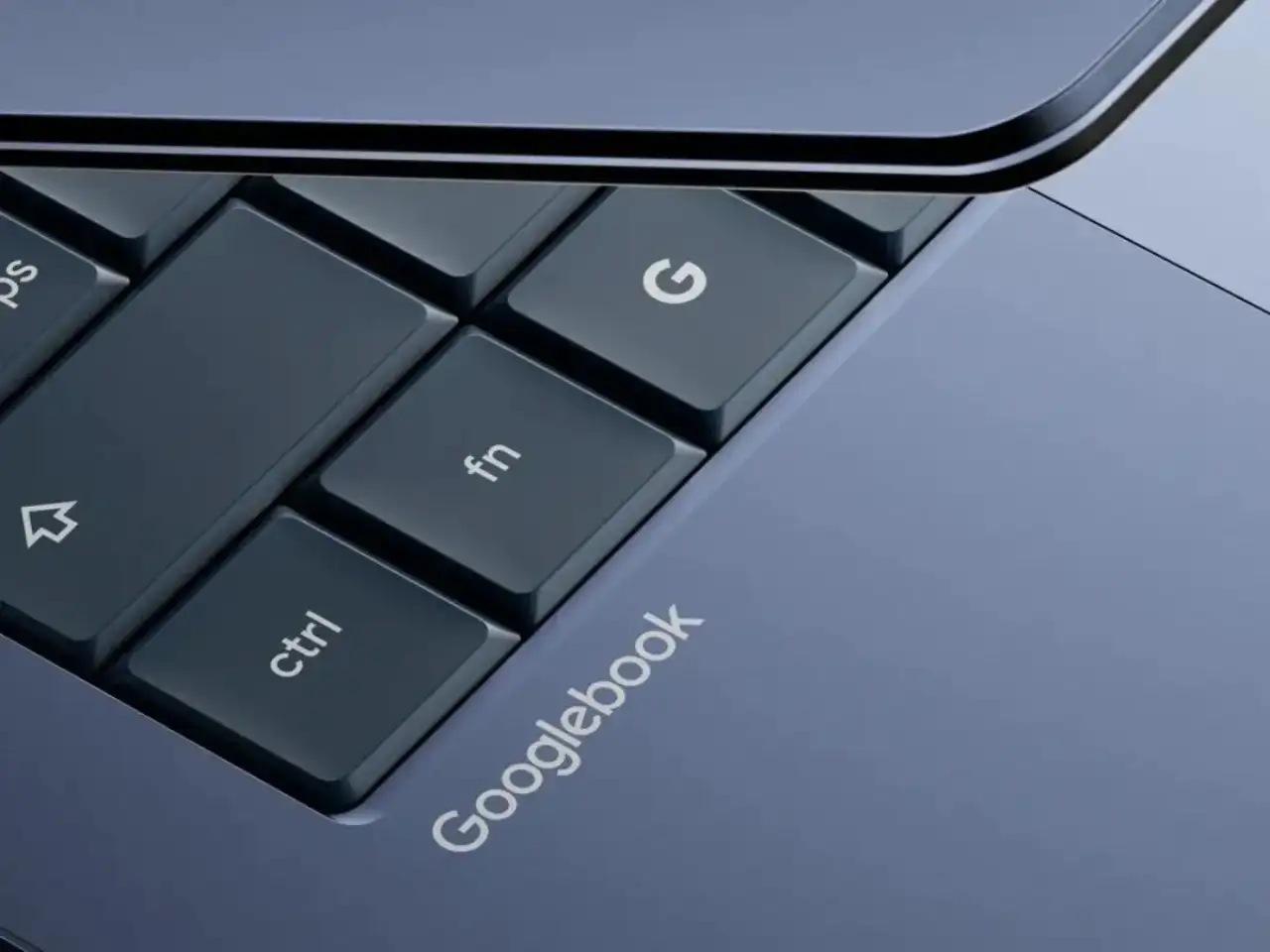
More than 15 years after launching Chromebooks, Google is now introducing “Googlebook” — a new category of laptops built around Gemini AI.
Googlebooks combine parts of Android and ChromeOS, bringing together Android apps from Google Play with Chrome’s browser ecosystem. The company says the laptops are designed “from the ground up” for Gemini Intelligence.
One of the headline features is “Magic Pointer”, an AI-powered cursor developed with Google DeepMind. Users can wiggle the cursor to trigger contextual Gemini suggestions. For example, pointing at a date in an email could create a calendar event, while selecting two images could generate a visual mashup instantly.
Another feature, called “Create your Widget”, lets users generate custom widgets using prompts. Gemini can pull data from Gmail, Calendar and the web to create personalised dashboards.
Googlebooks will also integrate tightly with Android phones, allowing users to access apps and files across devices without manually transferring them. Hardware partners include Acer, ASUS, Dell, HPand Lenovo.
Android Auto gets a major redesign
Google also unveiled a revamped Android Auto experience with new widgets, immersive navigation and Gemini integration.
The redesigned interface brings Material 3 Expressive design to car screens with updated fonts, wallpapers and animations. Users will also get customisable widgets for things like contacts, weather and garage door controls.
Google Maps is receiving what the company called its biggest update in over a decade through “Immersive Navigation”, which adds 3D visuals, lane guidance, traffic lights and terrain information.
Android Auto is also becoming more entertainment-focused. Users will soon be able to watch YouTube videos in full HD while parked or charging, starting with supported cars from brands including BMW, Ford, Hyundai, Kia, Mercedes-Benz, Renault, Skoda Auto, Tata Motorsand Volvo Cars.
Gemini is also getting smarter inside cars. Features like “Magic Cue” will let the assistant pull contextual information from texts, emails and calendars to help users reply quickly while driving. Google also showed Gemini ordering food via DoorDash through voice commands.
Android 17 focuses heavily on creators
A big chunk of the announcements centred around creator-focused Android 17 features.
One of the new tools, called “Screen Reactions”, allows users to record themselves and their screen simultaneously for reaction videos without needing third-party apps or green-screen setups. The feature will launch first on Google Pixel phones later this year.
Google is also deepening its partnership with Instagram owner Meta. Android phones will get optimised Instagram uploads with Ultra HDR support, built-in video stabilisation and Night Sight integrations. Google claims Android flagship devices now match or outperform rival platforms in Instagram video quality tests.
The company also announced AI-powered upgrades for Instagram’s Edits app, including “Smart Enhance” for instant photo and video upscaling and “Sound Separation” to isolate unwanted noise from videos.
Meanwhile, Adobe Premiere Pro is finally coming to Android, with support for YouTube Shorts templates and effects.
Google also introduced APV (Advanced Professional Video), a new pro-grade video format developed with Samsung
that is optimised for high-quality recording while using less storage.
Gemini comes to Chrome on Android
Google is bringing Gemini directly into Chrome on Android next month.
Users will be able to open Gemini from the browser toolbar to summarise webpages, answer questions and perform tasks without switching apps. Gemini can also connect with Google apps like Gmail, Keep and Calendar.
Google also previewed “auto browse”, an agentic browsing feature that can complete tasks on behalf of users. For example, Chrome could automatically reserve parking using information from an event ticket or update recurring online orders.
The company says these features are powered by Gemini 3.1 and will start rolling out in the US later this year.
New 3D emoji and “Pause Point”
Google is also refreshing emoji with “Noto 3D”, a new 3D emoji style designed to feel more expressive and physical. The emoji will first arrive on Pixel devices later this year.
Another feature called “Pause Point” aims to reduce mindless scrolling. Before opening distracting apps, users will see a 10-second pause screen encouraging them to reflect, breathe or set timers before continuing.
Gemini Intelligence becomes Android’s foundation
The biggest theme across Google I/O 2026 was Gemini Intelligence.
Google says Gemini will increasingly handle multi-step tasks across Android devices, from ordering groceries to booking rides, without users needing to jump between apps.
The company is also introducing AppFunctions, a framework that lets apps expose actions directly to Gemini and the operating system.
Gemini Intelligence will expand across phones, foldables, watches, cars, XR headsets and Googlebooks later this year, starting with Samsung Galaxy and Pixel devices this summer.