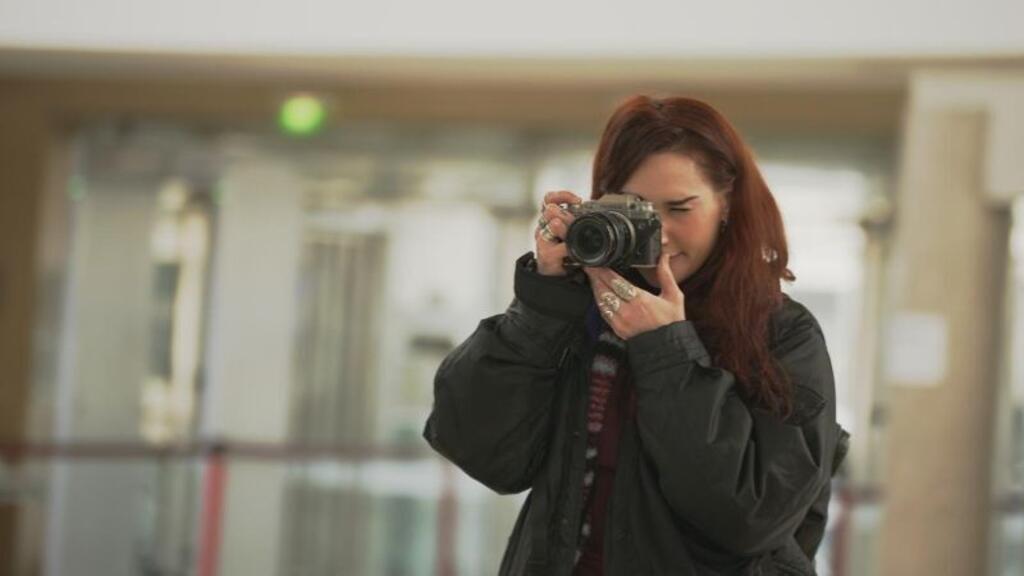
When 25-year-old independent journalist Anna Margueritat covered the Pelicot mass rape trial in the south of France last year, she drew on her own experience as a victim of sexual violence – and in doing so, found a new strength.
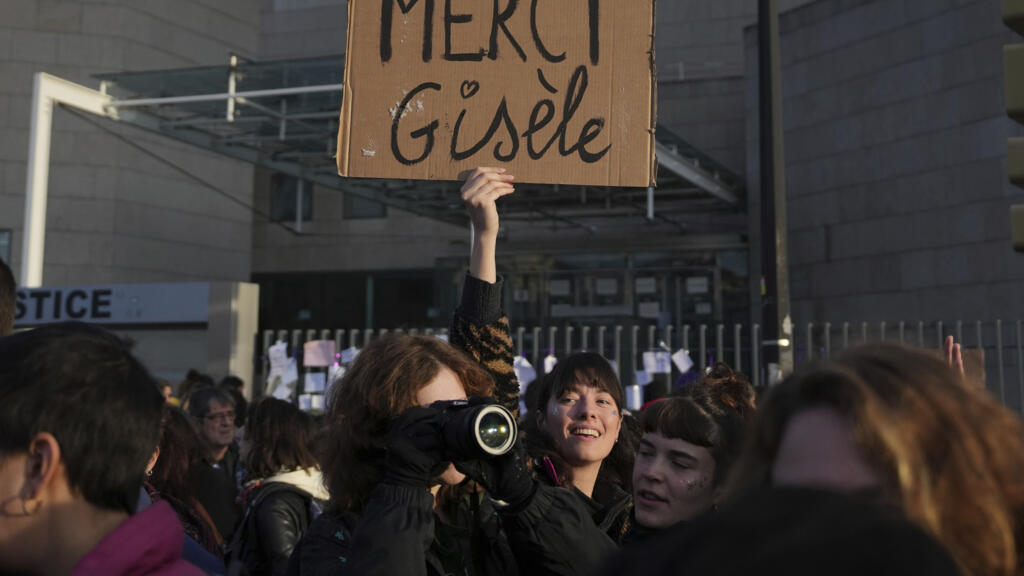
It’s been almost a year since Dominique Pelicot and his 50 co-defendants were found guilty of raping and sexually assaulting Gisèle Pelicot in her family home after she’d been drugged.
The verdict came after a three-month trial, the disturbing details of which were followed by millions around the world. In France, tens of thousands followed the daily Instagram posts of freelance photojournalist Anna Margueritat.
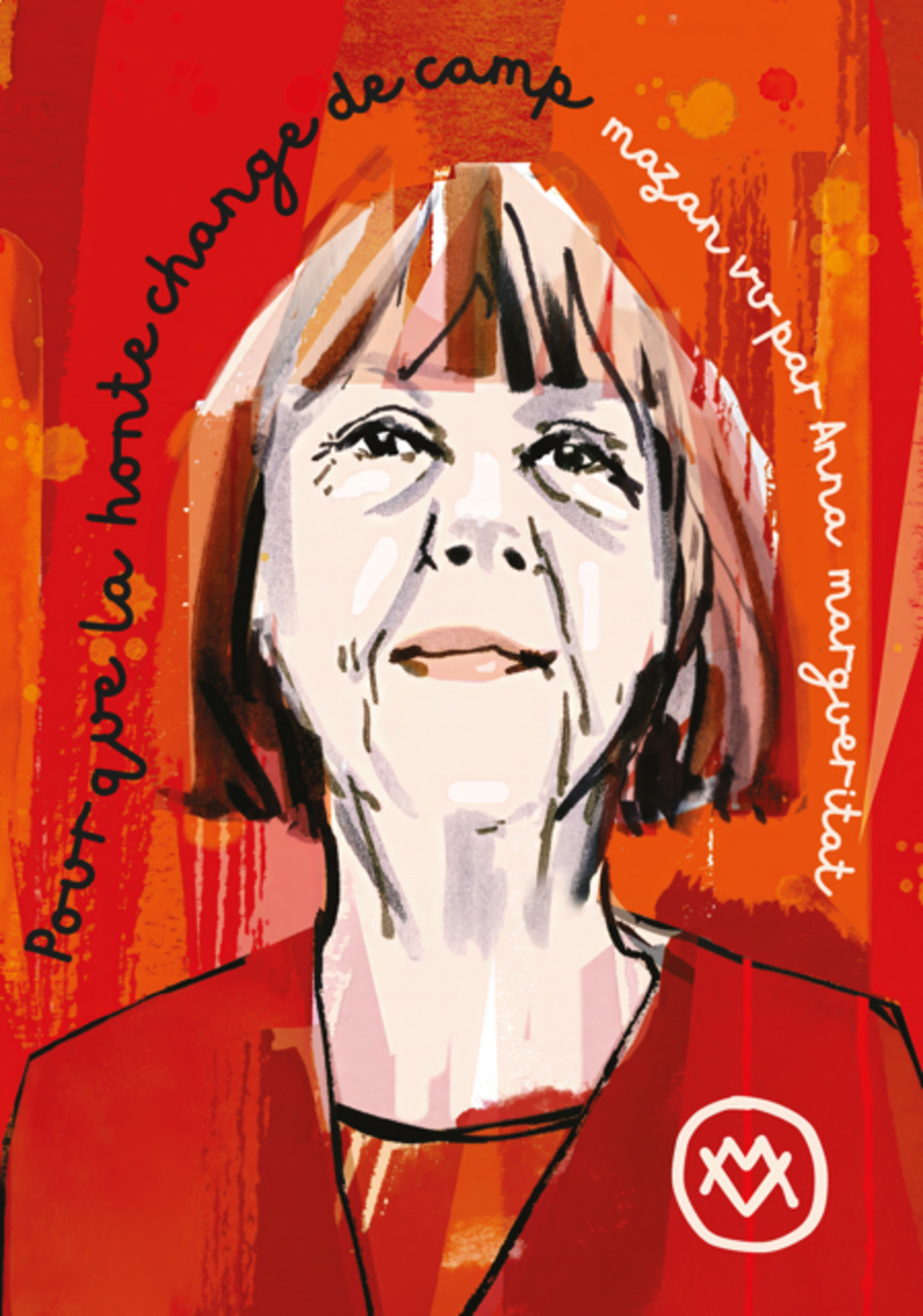
Armed with her phone, laptop and notebook, she left Paris for the southern city of Avignon after hearing Gisèle Pelicot say she wanted the trial to be public "pour que la honte change de camp" – "so that the shame changes sides".
Her recently published book chronicling the trial takes this phrase as its title.
"I felt very moved by this sentence… We’ve been hearing it at feminist demonstrations for a long time," Margueritat recalls. "As a victim of rape and sexual assault, as a woman, as a feminist journalist, I wanted to be at the trial to try to understand."
'Shame must change sides': France's mass rape plaintiff becomes feminist icon
The trial was extraordinary in its scale, both for the number of defendants and for the length of time – more than a decade – over which the abuse took place. And yet Margueritat says it highlighted an everyday reality in France, where "a woman is raped or is a victim of attempted rape every two and a half minutes".
While the trial ended with convictions for all 51 men, with sentences ranging from three to 20 years, she says it's not just about the verdicts.
"I understood, deeply, why we refer to ‘systemic’ violence when talking about sexual violence. I understood just how far the feeling of impunity of men who are accused of sexual violence can go."
Listen to a conversation with Anna Margueritat on the Spotlight on France podcast:

'I wanted to disappear'
What struck Margueritat first when entering the packed courtroom was the sheer number of defendants.
"They were everywhere. Their behaviour really shocked me, very sexist for some of them. Many of them were not ashamed," she says.
She describes watching them occupy the space, "like men who have the freedom to be men and to dominate women".
During one hearing, she noticed a defendant in his glass box "staring" right at her.
"Then he gave me the middle finger. It was like he was telling me, I have the power, even if I'm here accused of one of the worst crimes, I can still have power over you with just two eyes."
It was, she says, a reminder that she was "a woman before being a journalist", adding: "That was the hardest part of the trial for me."
She reported the incident to a court official. But the response – "don’t worry… stay focused on your work" – left her feeling even more exposed. "I wanted to disappear," she remembers.
She put aside the cropped T-shirt she’d been wearing that day and went back to her usual head-to-toe black look, tying back her long, red hair. She also instinctively wore less makeup.
Deadly attacks on women rise in France amid growing partner violence
Female solidarity
There was, however, a sense of sorority among the largely female press corps, she recalls.
"We shared the experience of being a woman inside the courthouse and outside." It gave her the strength, she says, "to talk about this and to feel understood".
The limited contact she had with her male colleagues was quite different. Some made "very bad jokes, sexual jokes".
She remembers conversations with one male reporter who admitted that walking back to his hotel at night, he found himself wondering whether the men he passed "could be rapists".
"It made us laugh," she says. "We were like, that’s what it's like every day for us."
Yet she also believes these conversations were important. That male journalist, she notes, "has a daughter, he has ways to be empathetic to women’s experiences".
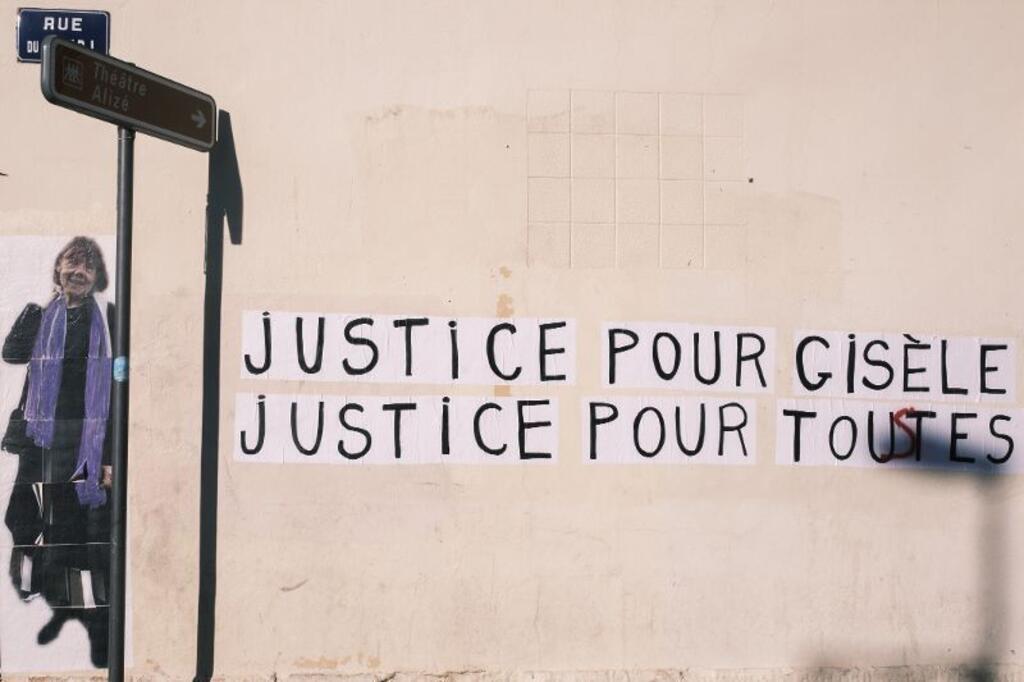
'A very difficult ordeal': Gisèle Pelicot's statement after mass rape trial
'Fifty shades of rape'
As a feminist activist, Margueritat already had a strong Instagram following, but she said she was surprised to find some 50,000 people viewing her daily posts from the trial.
She believes she offered something different from mainstream courtroom reporting. "I can say that I'm a feminist journalist," she noted. "And I don't have a media company telling me, 'no, you have to stay neutral'."
While she claims no expertise in psychology or sociology, she says she could speak about what she knew: "What I see in my everyday life with other victims, with other feminist activists."
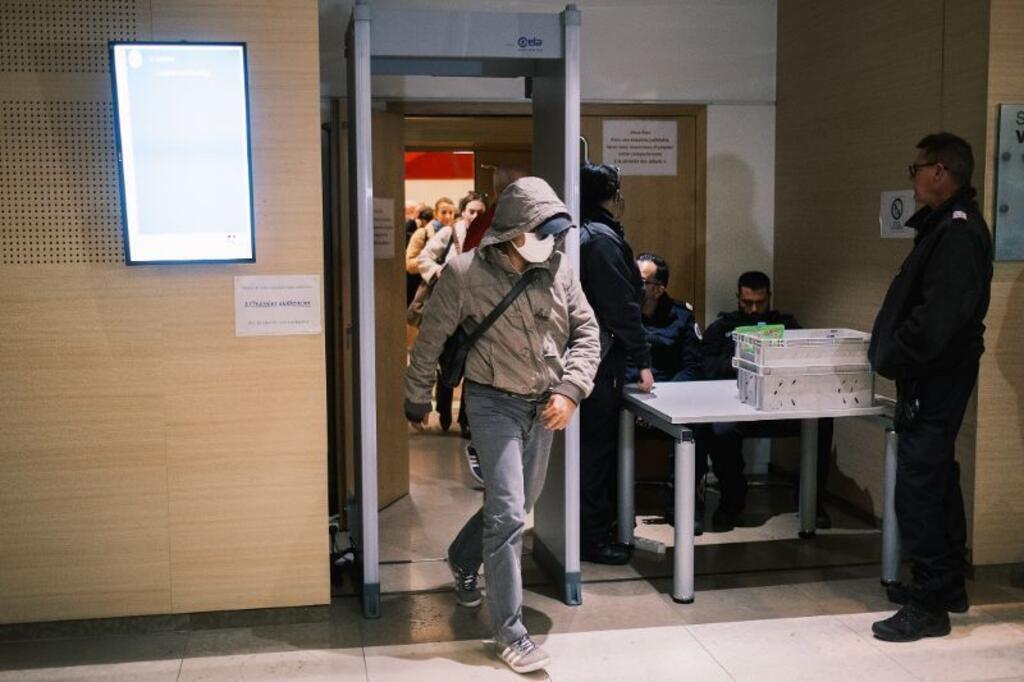
Despite the courtroom viewing the footage of Gisèle Pelicot being raped and sexually assaulted, drugged to the point of being comatose, Margueritat says the defendants refused to see themselves as rapists or accept responsibility for their actions.
In her book, she catalogues what she calls "50 shades of rape", chronicling the range of "ever more absurd justifications" the defendants came up with.
One man insisted that it was "my body, but not my brain". Others claimed ignorance or fear of Dominique Pelicot, or even that Gisèle had somehow given consent "through her husband".
Margueritat observed little remorse. "At the end of the trial only two defendants looked Gisèle Pelicot in the eyes and said: 'I'm sorry because I'm a rapist'."
Gisele Pelicot: French rape survivor and global icon
Signs of progress
One year on, Margueritat says the shame has "not yet" shifted to the perpetrator.
"It will take a long, long time because every time there's a big case of sexual violence in France, it's like we are discovering it all over again."
And yet, she says, sexual violence is systemic: "It's not just a succession of cases, but a very big problem in all institutions."
However, she believes there are signs of progress. She points to the introduction of consent into the definition of rape, which MPs voted for in the wake of the Pelicot trial, and to the conviction of French film giant Gérard Depardieu for sexual assault, which shows that "no one is above the law".
Depardieu was also ordered to pay damages to his victims for secondary victimisation – when the victim suffers further harm from how they are treated after the criminal act – caused by "outrageous and humiliating" remarks made by his lawyer, Jérémie Assous, during the trial.
Assous called the two women "hysterical" and said they were working for the cause of "rabid feminism".
"These remarks, by their very nature, amount to secondary victimisation," the presiding judge said, ordering Depardieu to pay each woman €1,000 in compensation for this offence specifically.
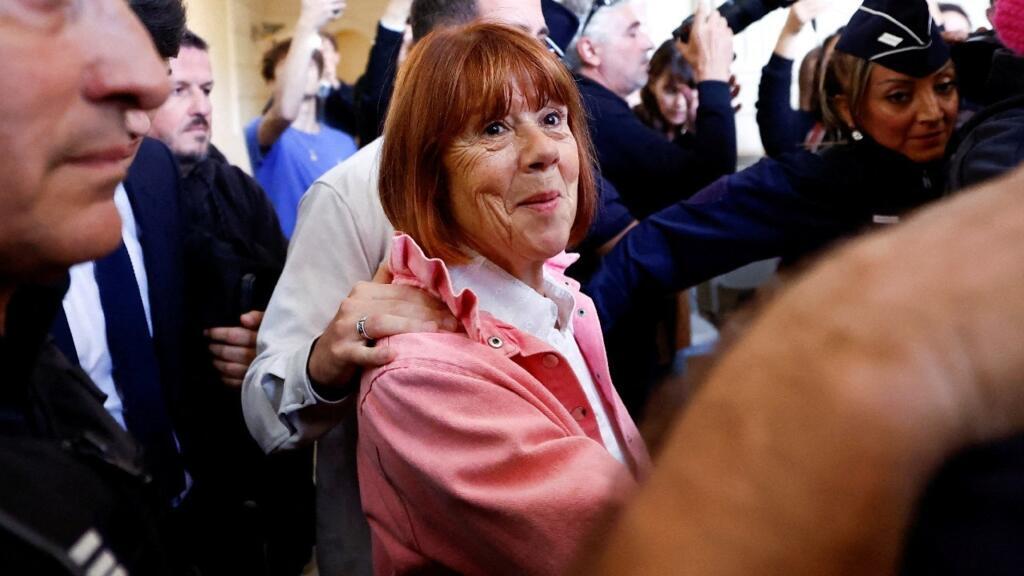
Rallies across France in support of woman who was drugged, raped
The trial had an impact on Margueritat's own life too. Three months ago, she finally filed a police complaint against a man she accuses of raping her.
According to the latest official figures, only 6 percent of victims of sexual violence lodge a complaint. In 2023, just 3.3 percent of rape complaints filed resulted in convictions.
Margueritat describes a weight being lifted, and says this will free her to work more on bringing other victims' voices to the fore.
“Even if I don't put too much hope in justice, it was important to do it."
This article is based on a report on the Spotlight on France podcast, episode 135. Listen to other episodes here. Subscribe here.