Leaders of Germany’s far-right Alternative for Germany (AFD) are distancing themselves from Trump as the war in Iran drags on and its repercussions are felt around the world.
The AfD, which has long been seen as a strong European ally of the Trump administration, appears to be shifting to a more detached public relationship ahead of key elections in Germany in September.
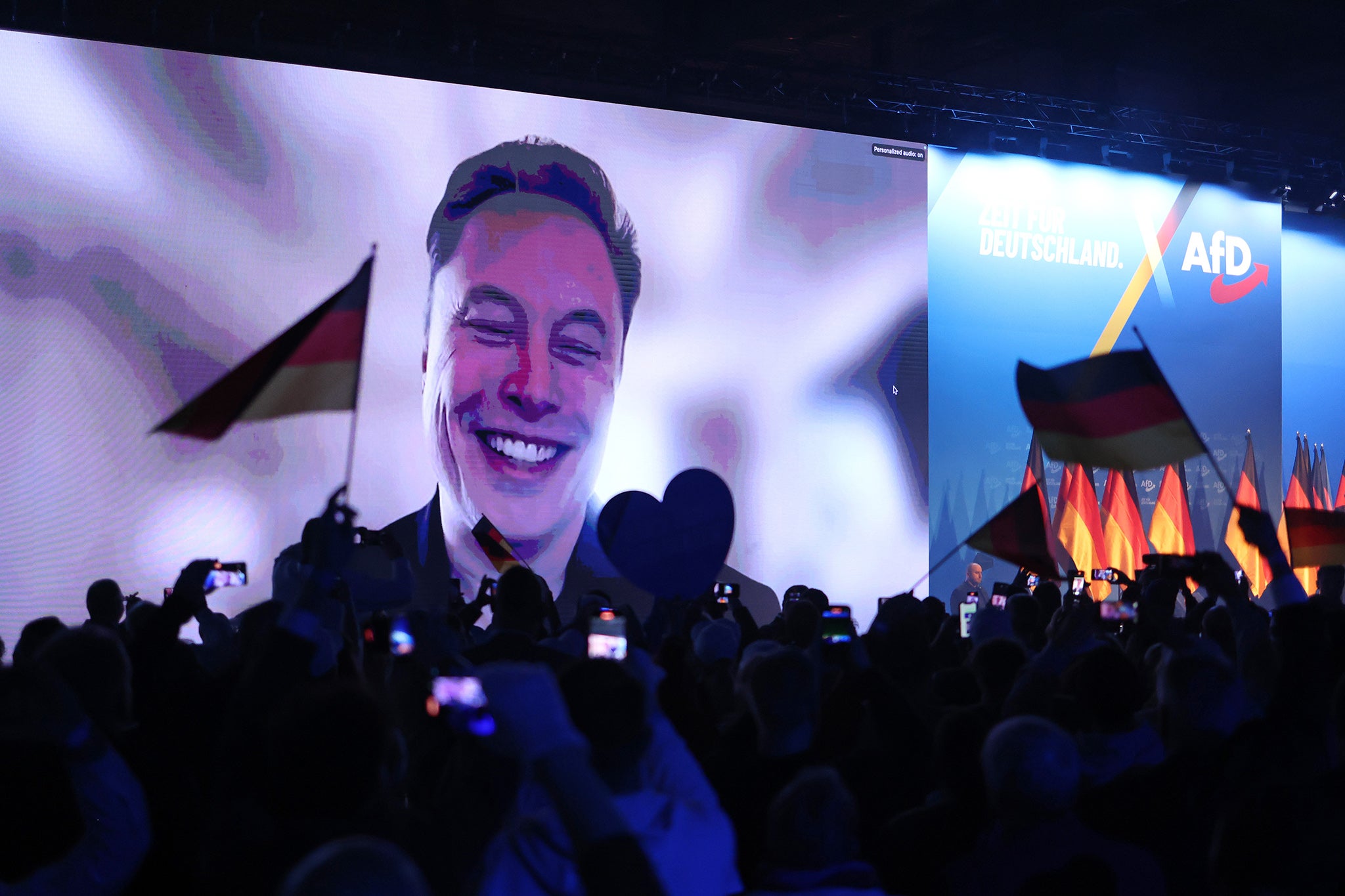
US vice president JD Vance and Elon Musk have both previously expressed public support for the party, sparking concerns in Europe.
The party’s co-leader Alice Weidel told senior party lawmakers on Monday to reduce the number of high-profile trips party politicians are making to the US to cultivate ties with MAGA Republicans, according to four people who were present at the meeting, reported Politico.
“There have been a big many trips to the U.S. in quick succession, and there is a perception within the parliamentary group, the foreign policy working group, and certainly among the leadership that our goal has always been to maintain balanced and good relations with all international players,” Torben Braga, an AfD lawmaker from the eastern state of Thuringia said.
“In that we include — unlike other parties — Russia, but also, for example, China and India and countries in the Global South.”
It marks a departure from their previous complimentary tone, with Weidel being one of the first politicians abroad to welcome Trump’s victory in 2024.
They also embraced endorsements from Musk, Trump’s on-off ally, who has been an outspoken supporter of the party and has claimed “only AfD can save Germany”.
Vance has also previously said Berlin should work with the AfD to curb migration in the country, and also met with Weidel at last year’s Munich Security Conference, breaking a taboo in German politics.
However, recent polling suggests Germans do not favour the Trump administration. A survey in January found that only 15 percent consider the US to be a trustworthy partner for Germany, a historically low figure.
A survey conducted in early March suggested more than three-quarters of Germans feel threatened by the US-Israeli strikes on Iran and six out of 10 Germans don't consider the US-Israeli offensive as justified.
This perhaps explains why the AfD was quick to issue a statement on X condemning the US-Israeli strikes on Iran, warning that “renewed destabilization of the Middle East is not in Germany’s interest and must be stopped.”
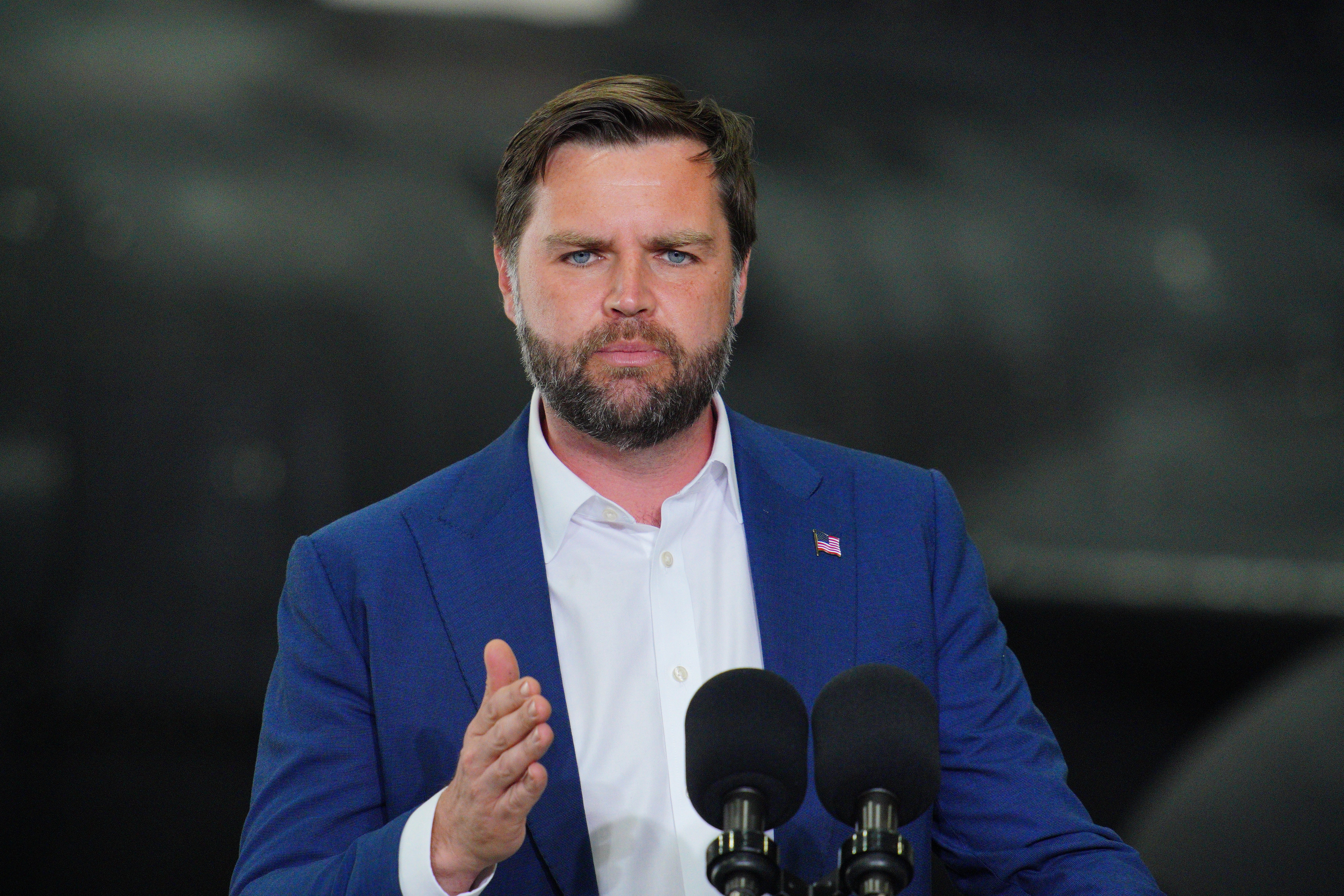
Later on in a TV interview, Tino Chrupalla, the party’s other co-leader, said: “Donald Trump started off as a peace president,” now he “will end up as a president of war.”
It follows the AfD’s attempt to loosen ties with Trump earlier in the year after the US captured Venezuelan President Nicolás Maduro, and threatened to take control of Greenland.
“He has violated a fundamental election promise, namely not to interfere in other countries, and he has to explain that to his own voters,” Weidel said in January.
This more critical stance echoes its like-minded neighbours in France, where the US president is also unpopular among the far-right.
Jordan Bardella, of the far-right National Rally, accused the US president of having “imperial ambitions”. The NR leader Marine Le Pen also criticised what she described as US-backed “regime change” in Venezuela, invoking state sovereignty as “non-negotiable”.
Iran imposes ‘toll booth regime’ to allow Strait of Hormuz passage
UK faces biggest hit to growth from Iran war of all major economies, OECD warns
Trump lashes out at GOP as approval ratings slide over war and economic woes
Two dead in Abu Dhabi as US-Iran war intensifies despite peace talk claims
Supreme Court fines European MP over homosexuality comments
Ukraine war latest: Zelensky says do not to ‘let Putin take advantage’ of Iran crisis