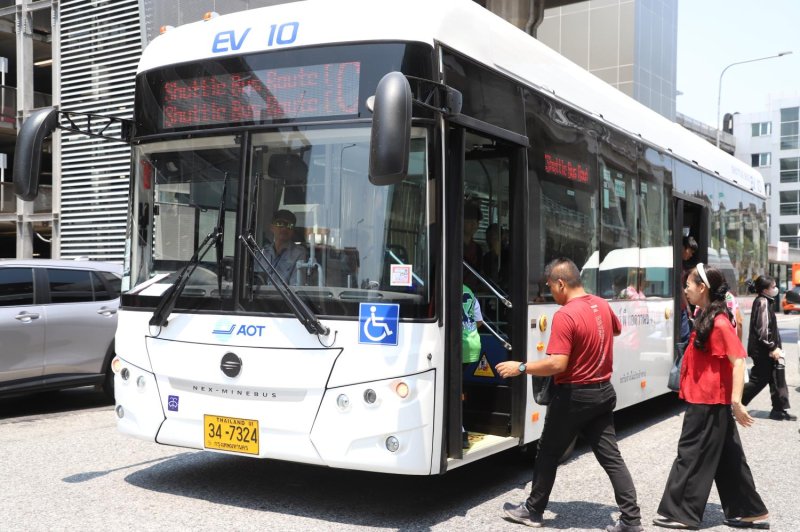
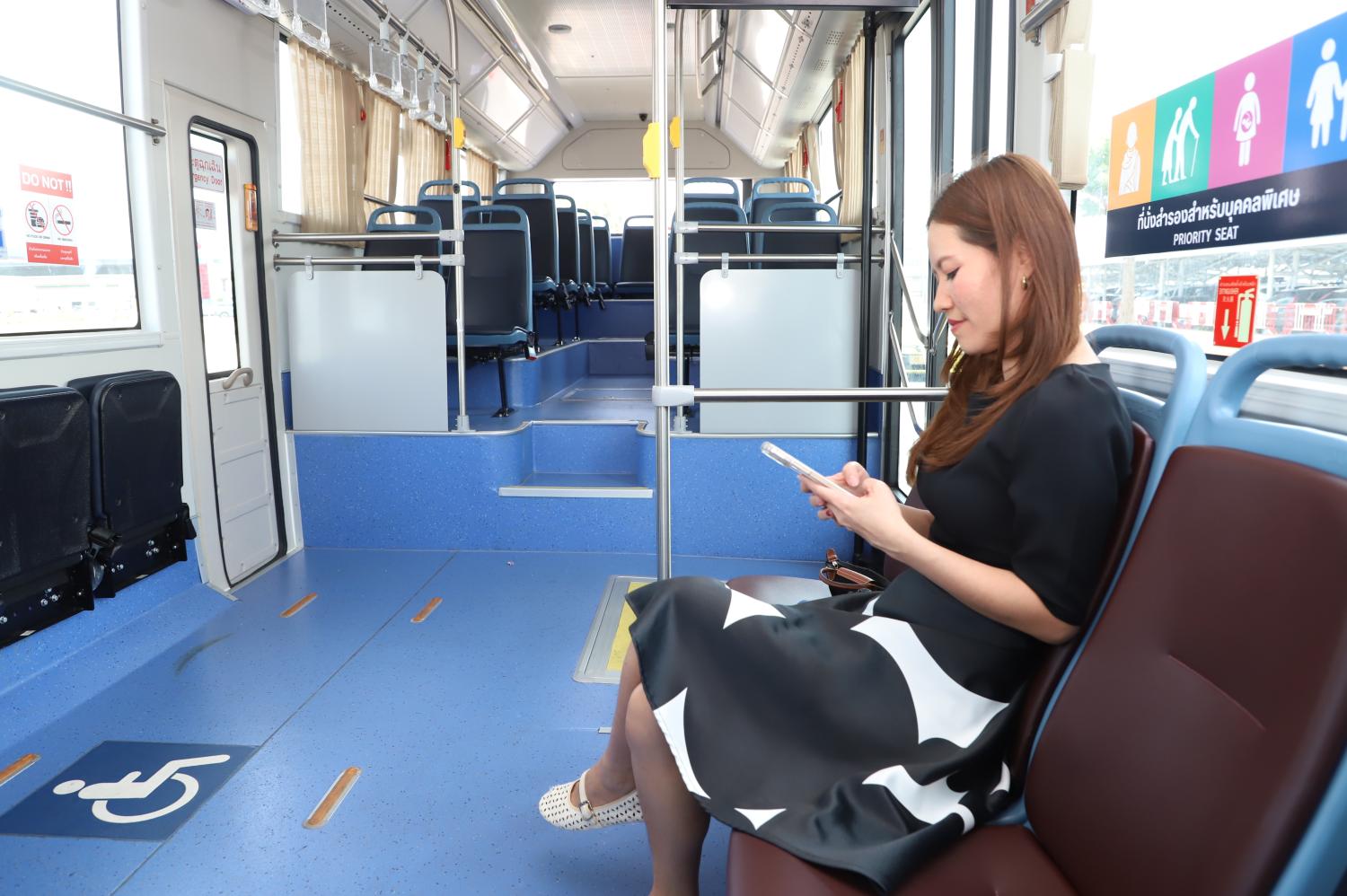
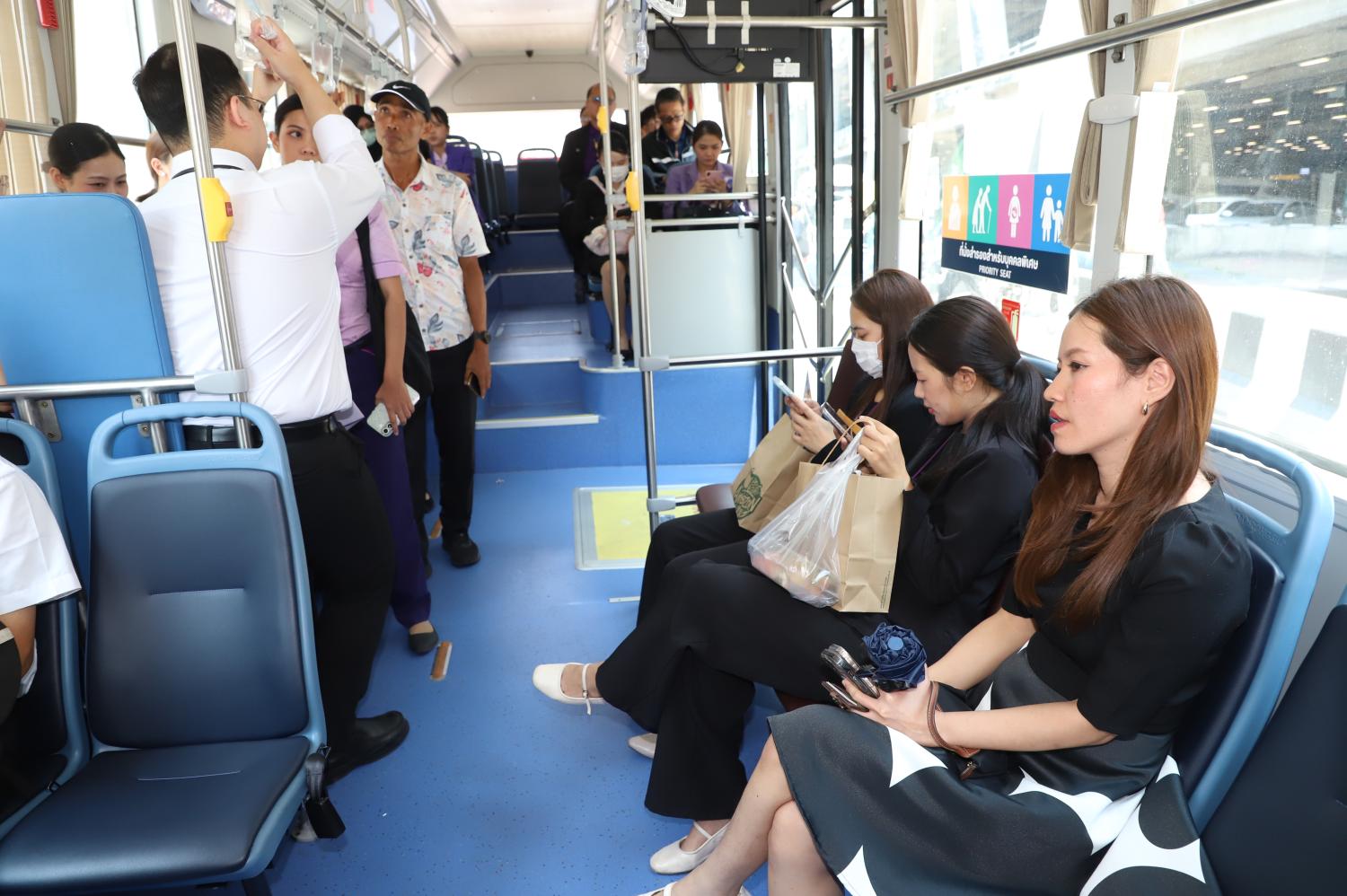
The Finance Ministry is using funds available under the emergency borrowing decree to subsidise the replacement of internal combustion engine (ICE) public service vehicles with electric vehicles (EVs).
In addition to providing subsidies to encourage public transport operators to adopt clean energy vehicles, Finance Minister Ekniti Nitithanprapas said the government will also support public service vehicles powered by B20 biodiesel.
The measures are expected to reduce reliance on fossil fuels and support palm oil prices, while improving the income of domestic palm oil farmers, he said.
The programme targets intercity buses, taxis and public vans for conversion to EVs, as these vehicles serve large numbers of passengers.
However, the proposed vehicle scrappage scheme to encourage the replacement of old ICE vehicles with EVs has not yet been considered, as the EV3.5 support programme remains in force and already provides a subsidy of 50,000 baht per EV purchased.
Under the proposed transition programme for public transport vehicles, participating vehicles would be required to permanently retire their existing gasoline-powered vehicles, de-registering the old vehicles from the Department of Land Transport's system to ensure they cannot re-enter service.
The details of this requirement need to be discussed with the Transport Ministry.
Discussions are continuing with the Industry Ministry on dismantling the retired vehicles into parts, which would be carried out by private companies with expertise in vehicle recycling and dismantling.
The recent energy crisis arising from war in the Middle East has adversely affected the Thai economy, prompting the government to issue an emergency decree authorising 400 billion baht in borrowing. The borrowing is divided into two tranches.
The first 200 billion baht is for economic relief via the "Thai Chuay Thai Plus" programme. The remaining 200 billion baht is allocated to support the transition from fossil fuels to clean energy.
To oversee the use of these funds, the government established a screening committee chaired by the finance permanent secretary to evaluate project proposals submitted by government agencies.
According to Jindarat Viriyathavikul, director-general of the Public Debt Management Office, of the initial 200 billion baht allocated for the co-pay scheme, 138 billion baht has been disbursed. An additional 30 billion baht is scheduled for borrowing over the next 1-2 months.
If this 30 billion baht remains unused, the government may consider reallocating it to support clean energy transition projects, provided they are consistent with the objectives of the borrowing plan, she said.
Regarding projects seeking financing under the energy transition programme, the screening committee is applying a rigorous evaluation process to ensure all proposals are consistent with the objectives of the law and deliver the greatest public benefit, said Mrs Jindarat.
The borrowed funds must be used efficiently and cost-effectively, and the disbursement period is limited, with all funds required to be used by September 2027.