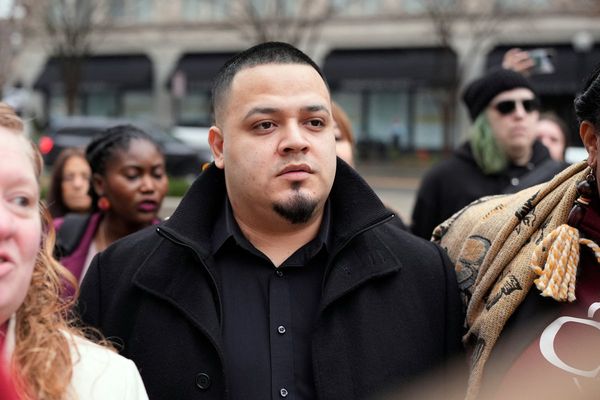
A EUROPEAN broadcast journalist has hit out at the BBC, accusing the corporation of reducing Glasgow to a “dossier of its worst moments” and saying the city “deserves better”.
News producer and anchor Ika Ferrer Gotic called out the BBC in response to a story from the broadcaster headlined: “Drugs, violence and racism: A week in Glasgow city centre.”
The BBC article was a companion piece to a Disclosure documentary, broadcast on Monday evening, which looked into claims that Scotland’s largest city had become “a 'no-go zone' because of crime, homelessness and antisocial behaviour”.
The claim has often been repeated by figures such as Reform MSP Thomas Kerr, who has repeatedly called Glasgow “lawless”, and anti-immigration podcaster Craig Houston, who was featured in the opening minute of the BBC programme saying: “This city centre is no longer safe for young females.”
The BBC documentary spoke to police, victims of crime, and the organiser of a vigilante street gang calling themselves “Scots Active” for the Disclosure show, which asked: “Has disorder in the city become worse, or is tension simply being stoked online by those who trace every problem back to immigration?”
Glasgow deserves better than periodic ritual condemnation. If I hadn’t spent real time in Glasgow; walking those streets at 3am feeling safer than in most European cities; I might have swallowed the latest BBC framing wholesale. But I have been there. I’ve seen the city at… https://t.co/rDh2JkEMjf pic.twitter.com/rg15l9u6OD
— Ika Ferrer Gotić (@IkaFerrerGotic) August 17, 2026
Responding to the piece, Ferrer Gotic – who formerly worked with CNN but is now with Newsmax Balkans TV – said: “If I hadn’t spent real time in Glasgow; walking those streets at 3am feeling safer than in most European cities; I might have swallowed the latest BBC framing wholesale.
“But I have been there. I’ve seen the city at night, felt its pulse, and known its people. So when pieces like this reduce Glasgow to drugs, violence and racism, it lands as something more than journalism. It feels like a selective, recurring campaign that shows little regard for the community it claims to examine.”
She added: “Every city has problems that demand honest attention and real solutions. Pretending otherwise helps no one. Glasgow is no exception. But painting an entire city and its people through the darkest lens available, while treating occasional disorder as defining character, is not balance. It is disregard.
“Glaswegians have long punched above their weight. The “People Make Glasgow” ethos is not empty branding; it is lived reality.
“Problems exist and should be confronted without denial. But reducing a complex, resilient city to a weekly dossier of its worst moments, while soft-pedalling the everyday dignity, creativity and solidarity of its people, is not serious analysis. It is a narrative that erodes more than it illuminates. Again, Glasgow deserves better than periodic ritual condemnation.”

Ferrer Gotic’s post was shared by Alison Thewliss, the SNP MSP for Glasgow Central and the Scottish Government’s Community Care Minister.
Conter editor David Jamieson also questioned the BBC's reporting, saying: "Just watched a BBC news special report on a ‘no go zone’ in Glasgow that I walk … one might even say ‘go’ … through every day."
Earlier in the day, Kerr – Reform’s deputy leader in Scotland – had welcomed the BBC documentary, claiming it vindicated him.
“For months, Reform UK and I have been highlighting what's been going on in the city centre of Glasgow yet the establishment have time and time again dismissed us and attacked me personally – so I'm glad to see the mainstream media finally wake up,” he said.
“Drug use, violent assault and public disorder is the stark reality facing Glaswegians when they walk through their city centre.”
“This lawlessness, illegal migration, and anarchy must end,” he added.
Kerr has previously used false crime statistics to claim he had been proven right that Glasgow is “lawless” .
Last month, he shared a video which said that the 2025-26 Scottish crime statistics showed Glasgow had “recorded the highest crime rate in the country, with 1431 crimes for every 10,000 people”, around 70% higher than the real number.
Glasgow had a rate of 849 crimes for every 10,000 people in 2025-26, which was also not the highest rate in Scotland.
However, Glasgow is home to around 90% of Scotland’s asylum seekers, making it a target for anti-immigration campaigners.