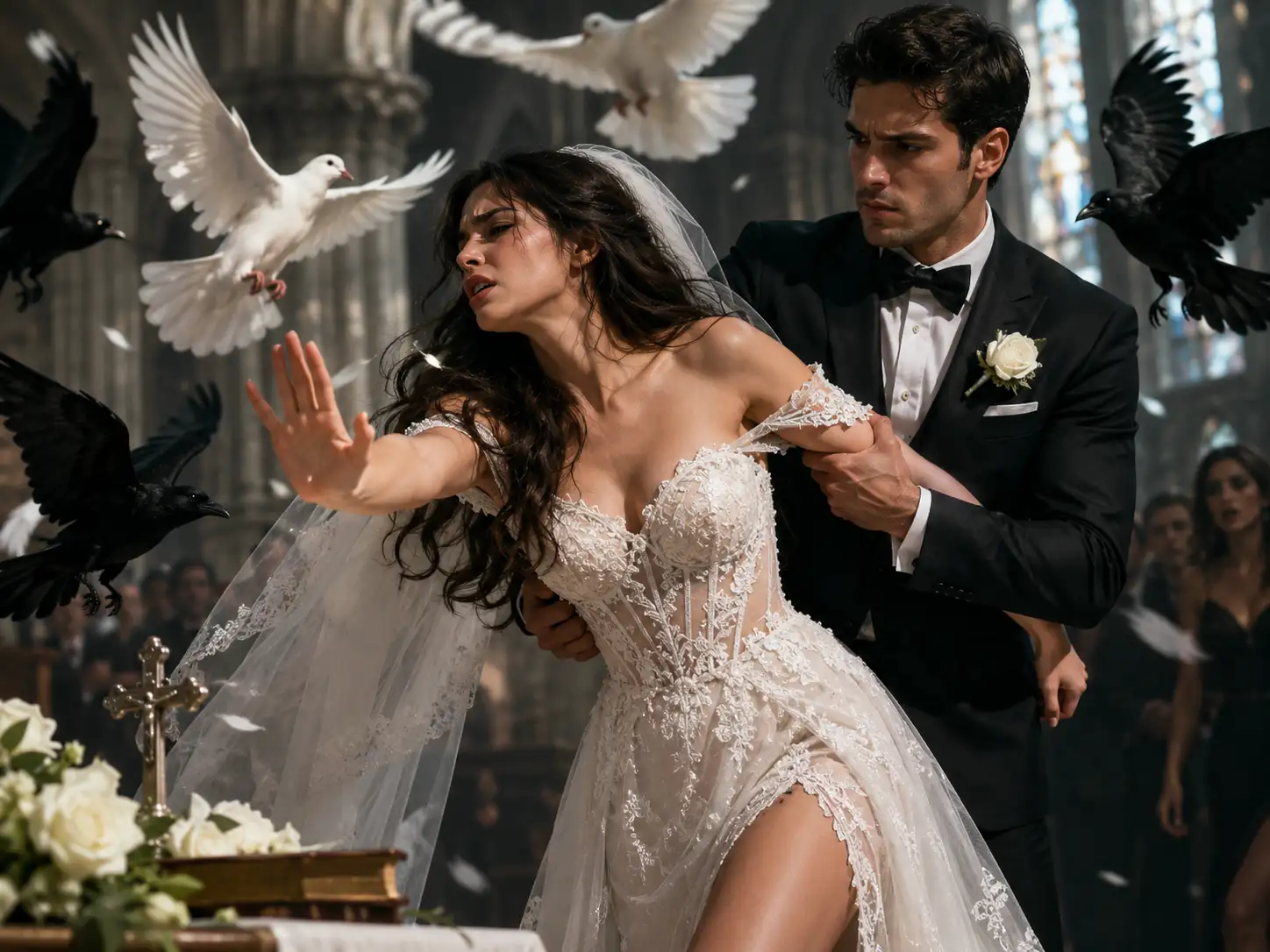
European proverb of the day focuses on an Irish saying that has been shared through generations to explain the importance of free choice in relationships. The proverb, "There'll be white blackbirds before an unwilling woman ties the knot," compares an impossible event with forcing someone into marriage. Since blackbirds are naturally black, the image of a white blackbird represents something that cannot happen. The saying teaches that commitment should always come from personal choice. It also reminds people that consent, mutual desire, emotional readiness, and respect are the foundations of relationships, agreements, partnerships, and many decisions in life.
European proverb of the day today
The proverb is,
"There'll be white blackbirds before an unwilling woman ties the knot."
Understanding the Irish saying and its meaning
The proverb, "There'll be white blackbirds before an unwilling woman ties the knot," comes from Irish tradition. It uses a simple comparison to explain a powerful lesson. A white blackbird is presented as something impossible. Since blackbirds are known for their black feathers, imagining one that is completely white represents an event that goes against nature.
The proverb says that forcing an unwilling woman into marriage is just as impossible. It teaches that genuine commitment cannot exist without personal choice. Although the saying speaks about marriage, its message applies to many parts of life. Every important decision should come from willingness rather than pressure.
European proverb of the day explains why consent matters
The main lesson of this proverb is that consent is necessary. Whether it is marriage, friendship, business, or any other agreement, every person should have the freedom to accept or refuse. The proverb respects personal boundaries. It reminds people that saying "yes" should come from genuine desire, not fear, pressure, or manipulation.
Healthy relationships depend on trust. Trust grows when both people make decisions freely. Without consent, relationships often face conflict, disappointment, and regret. This lesson remains important in today's society, where discussions about personal rights, bodily autonomy, and mutual respect continue across families, workplaces, schools, and communities.
Why force often creates failure?
The proverb also teaches that force rarely produces lasting success. People sometimes try to pressure others into making decisions. They may use emotional pressure, social expectations, or manipulation. However, commitment created through force is often unstable. Someone who is pushed into making an important decision may not remain committed for long.
The proverb reminds us that dedication cannot be manufactured. Whether the decision involves marriage, business, education, or work, willingness creates stronger results than pressure. This lesson applies to both personal and professional life.
The meaning behind the white blackbird
The image of the white blackbird has existed in folklore for many centuries. Historically, thinkers including Aristotle referred to the white blackbird as something outside the natural order. Irish tradition adopted the image to explain situations that were nearly impossible. Instead of giving a direct warning, the proverb uses humor.
By comparing forced marriage with the impossible appearance of a white blackbird, the saying makes its message easy to remember. Many traditional European proverbs use nature, animals, and everyday experiences to explain human behavior. This proverb follows the same pattern.
The cultural background of the proverb
This proverb developed in Irish and Celtic culture. It belongs to the tradition of seanfhocail, the Irish word for traditional proverbs. Communities passed these sayings from one generation to another.
The proverb acknowledged that marriage without willingness was unnatural. Although many traditional societies placed strong importance on marriage, this saying recognized that emotional commitment could not be created through force. It reminded people that successful unions require both partners to participate willingly. That lesson continues to hold value today.
Life lessons from the Irish proverb
- True commitment cannot be forced.
- Consent should always come before commitment.
- Respect every person's right to say "no."
- Relationships grow through mutual desire, not pressure.
- Emotional readiness matters in every major decision.
- Manipulation often leads to broken trust.
- Coercion creates conflict instead of lasting bonds.
- Personal choice should be respected.
- Healthy partnerships are built on trust and honesty.
- Forced decisions rarely bring lasting success.
- Genuine agreement produces stronger relationships.
- Respecting personal boundaries strengthens society.
- Love cannot exist without willingness.
- Patience is better than pressure.
- Compatibility is more important than external expectations.
- Freedom of choice leads to meaningful commitments.
- Honest communication prevents misunderstandings.
- Lasting relationships require equal participation.
- Natural relationships develop through mutual respect.
- Decisions made willingly are more likely to succeed.
Lessons that apply beyond marriage
The proverb reaches far beyond romantic relationships. It teaches several lessons that can guide everyday life.
- First, meaningful agreements require willing participation.
- Second, manipulation usually produces poor outcomes.
- Third, people should respect another person's right to refuse.
- Fourth, lasting partnerships depend on mutual trust instead of pressure.
- Finally, natural relationships grow through honesty rather than control.
These lessons apply to families, friendships, education, workplaces, business partnerships, and community life.
Why this proverb remains relevant today?
Although this proverb comes from an earlier period, its message continues to match modern values. Today's discussions often focus on consent, equality, emotional well-being, compatibility, and personal freedom. The proverb supports these ideas by stating that important commitments should never be forced.
People now recognize that successful relationships depend on communication, shared goals, and mutual respect. The proverb also reminds society that external pressure should never replace personal choice. Whether someone decides to marry, change careers, join a business, or enter a partnership, the decision should come from genuine willingness. That makes this Irish saying meaningful even today.
English equivalent and related expressions
Several English expressions share similar meanings with this Irish proverb.
Some examples include:
- You can lead a horse to water, but you cannot make it drink.
- You cannot force love.
- Forced affection never lasts.
- Actions done against one's will rarely succeed.
- Mutual agreement builds lasting partnerships.
Although the wording differs, each expression teaches that willingness cannot be replaced by pressure.
Inspiring European proverbs you should know
Europe has many traditional proverbs that continue to teach useful lessons.
Some well-known examples include:
- Where there is a will, there is a way.
- Many hands make light work.
- Honesty is the best policy.
- Slow and steady wins the race.
- A chain is only as strong as its weakest link.
Like the Irish saying about the white blackbird, these proverbs use simple language to explain lessons about human behavior and everyday decisions.
Why proverbs still matter in everyday life?
Proverbs continue to remain relevant because they express life experiences in simple words that people can easily understand and remember. They offer guidance on relationships, work, decision-making, patience, honesty, and personal growth. Although many proverbs were created centuries ago, their messages still apply to modern life because human behavior and emotions have changed very little. Reading and understanding proverbs helps people think carefully before making choices, learn from the experiences of others, and apply practical wisdom in everyday situations. This is why proverbs continue to be shared across generations and cultures.