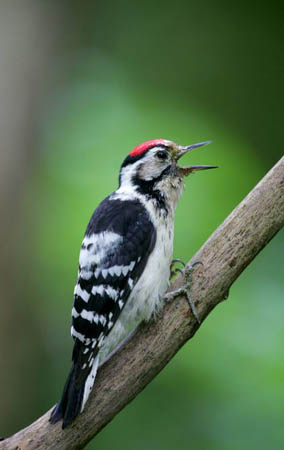
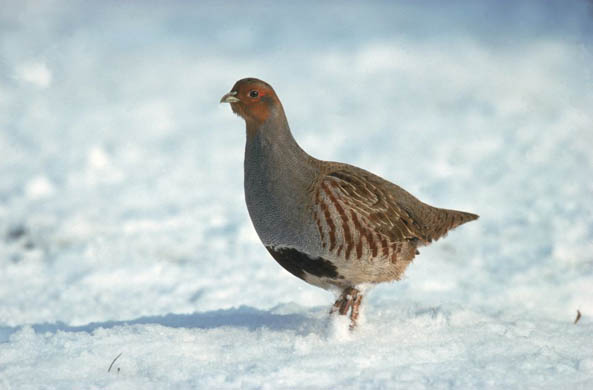
The crested lark suffered a 95% decline between 1980 and 2005 - the greatest decline of any of the 124 European birds analysed. Its demise is mainly attributed to the increasing intensification of farmingPhotograph: Hans Schouten/Foto Natura/GettyThe lesser spotted woodpecker has suffered a 81% decline in numbers. It is a regular nesting bird in the UKPhotograph: rspb-images.comThe grey partridge has seen a 79% decline in numbers. In the UK, it faces additional threats from being shot by people who mistake it for the more common and introduced red-legged partridgePhotograph: Mike Wilkes/Nature Picture Library/Rex Features
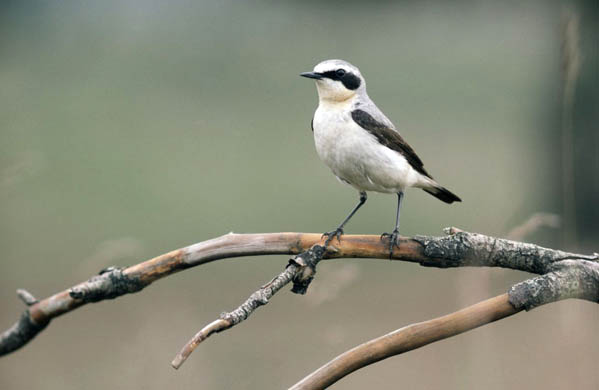
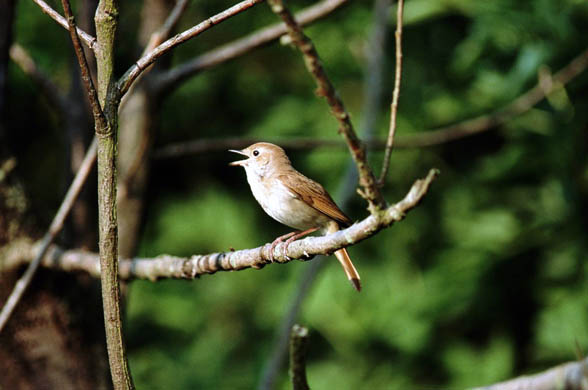
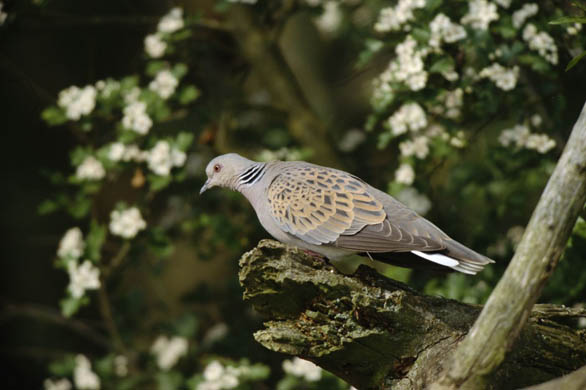
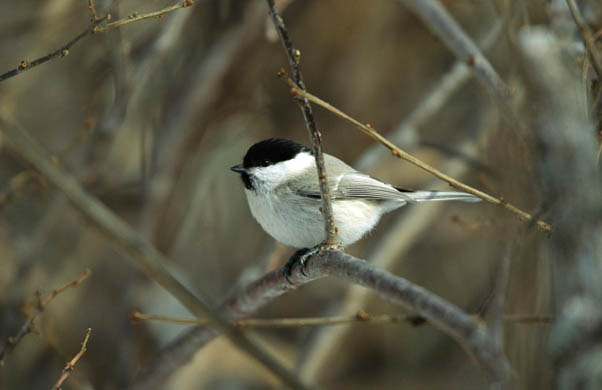
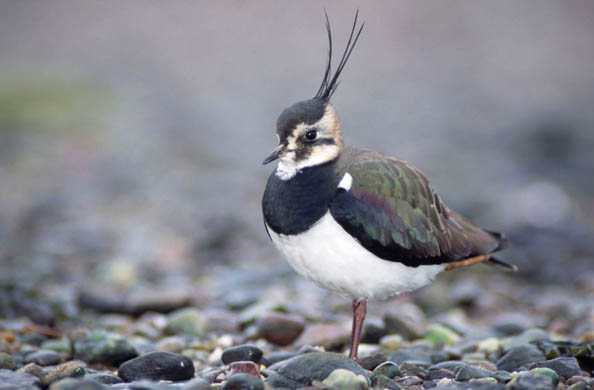
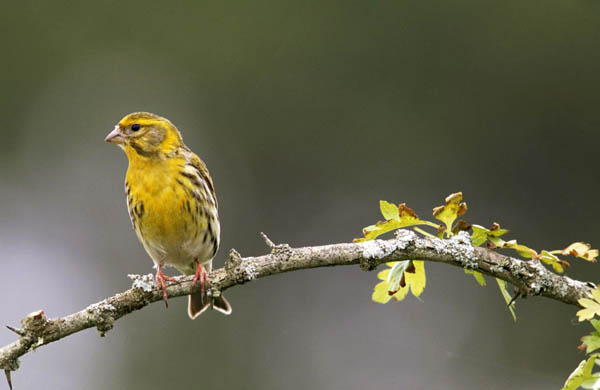
The wryneck used to be a regular nesting bird in the UK, but following a 74% decline, it is now effectively extinct in the UK as a breeding birdPhotograph: Adri Hoogendijk/Foto Nat/GettyThe wheatear has suffered a 70% decline in numbers. It is a summer visitor to Britain, breeding mainly in western and northern Britain and western Ireland. It winters in central AfricaPhotograph: Rino Burgio/Foto Natura/GettyThe nightingale, famous for the song it sings day and night from April to June, has witnessed a 63% decline. It is no longer such a common sight throughout southern EuropePhotograph: David Tipling/GettyThe turtle dove has declined by 62% across Europe and is no longer a familiar sight in the UK countrysidePhotograph: Mike Wilkes/Nature Picture Library/Rex FeaturesThe willow tit has declined by more than 58%. It is found all year round in England and Wales in damp places, such as the edge of lowland peat bogs, marshes, and around gravel pitsPhotograph: Tim Laman/GettyThe lapwing population has halved over 26 years. It is a farmland bird. Of the 10 common European birds showing the greatest decline, five live on farmlandPhotograph: Niall Benvie/CorbisThe serin has declined by 41%. It has nested in England on several occasions Photograph: Frits Van Daalen/Foto Natura/Getty
Sign up to read this article
Read news from 100’s of titles, curated specifically for you.