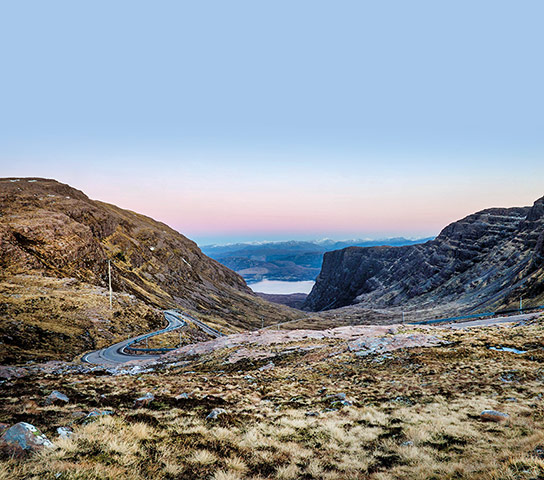
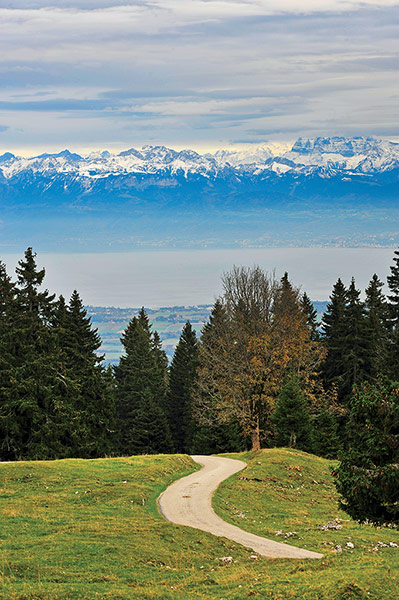
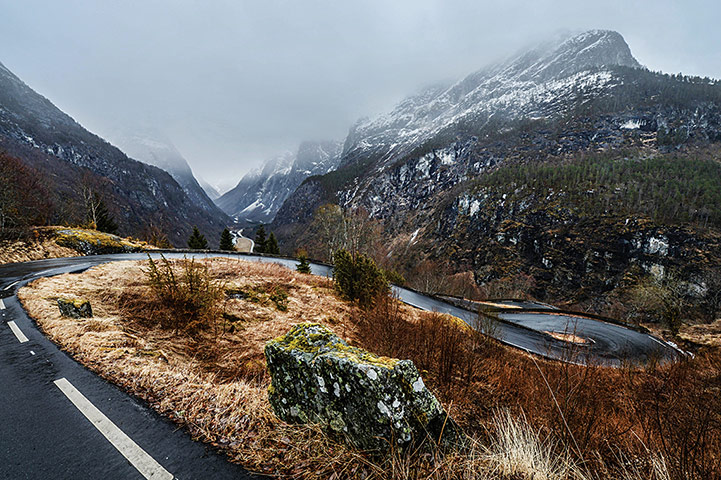
Bealach na Bà, Wester Ross, Scottish Highlands. With an altitude gain of 616m and an average gradient of 6.5% – peaking at 17.4% – the book describes this as arguably the toughest and most beautiful climb in the British IslesPhotograph: Daniel Friebe and Pete Goding/QuercusMont Tendre, Canton du Vaud, Switzerland. The highest tarmac road in the Swiss section of the Jura mountains, this climb takes you up 875m to 1,615m, with an punishing average gradient of 9.1%. Your reward at the top is a stunning view of Mont Blanc and the AlpsPhotograph: Daniel Friebe and Pete Goding/QuercusStalheimskleiva, Hordaland, Norway. With a total climb of 228m and a maximum elevation of 278m. this might seem like a tiddler. But wait till you see the gradient: an average of 11.4%, peaking at a near-absurd 30%. Even though it's just 2km long (with 13 hairpin bends along the way), it's quite a feat to not get off and walkPhotograph: Daniel Friebe and Pete Goding/Quercus
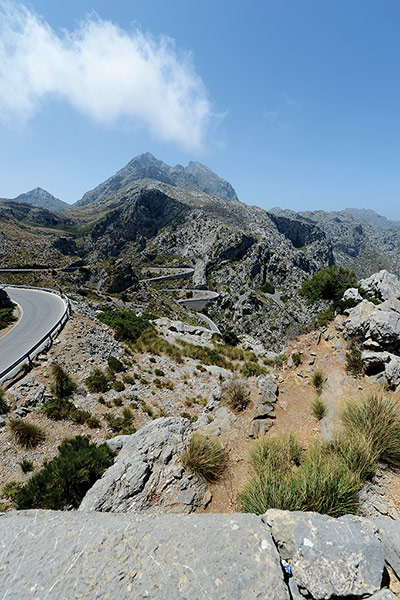
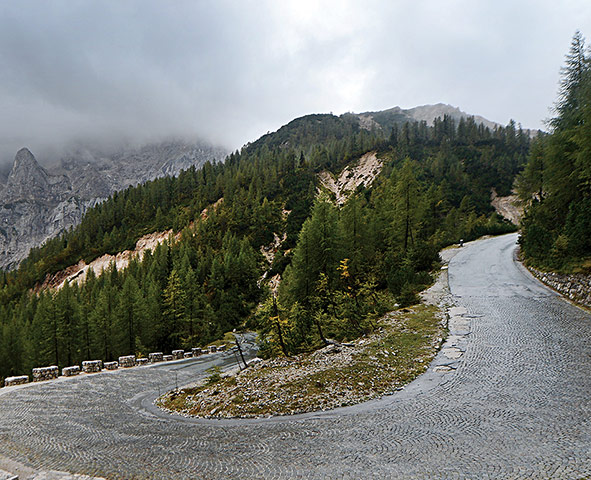
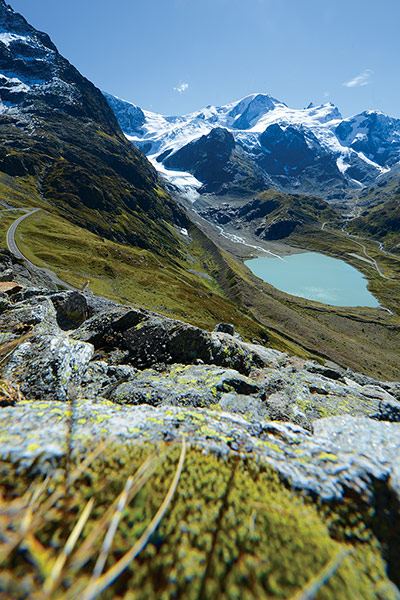
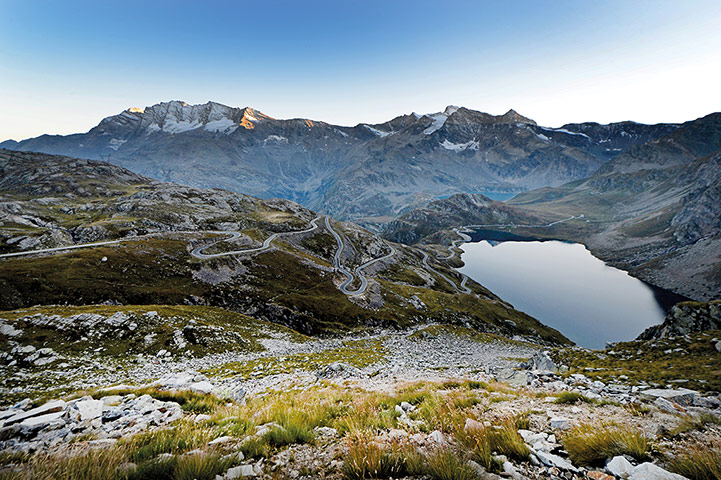
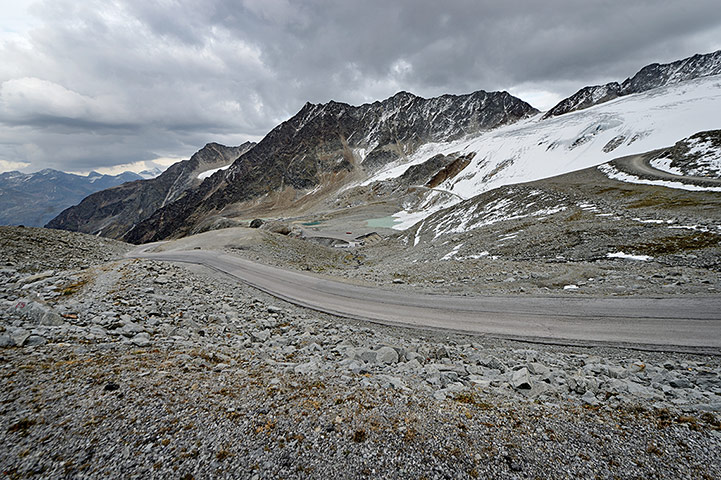
Coll de Cals Reis, western Majorca, Spain. Arguably the most famous climb on this increasingly popular island for cyclists. Starting in the resort of Sa Calobra, the road ascends 706m in a shade under 10km, never absurdly steep but offering little respite. It's a popular winter training spot for Team Sky – see if you can beat the 23m 59s mark set by their Australian rider, Richie PortePhotograph: Daniel Friebe and Pete Goding/QuercusPrelaz Vršič, Juian Alps, Slovenia. Set in mountain scenery arguably the equal of the far more populated climbs of France and Switzerland, this peak can be tackled in either direction with a total climb of either 805m or 976m, taking you to a peak of 1,611m. The advice, however, is to traverse north-south – the hairpin bends on the north side (shown above) are cobbled, and thus better suited to ascents than descentsPhotograph: Daniel Friebe and Pete Goding/QuercusSustenpass, Bern canton, Switzerland. Listed in the book among a trio of connected passes, also taking the Furkapass and Grimelspass, this is for those who like their climbs long and steady. Rolling out of Innertkirchen, the road takes you a heady 1,602m upwards, at an average gradient of 5.9%, to a peak of 2,224mPhotograph: Daniel Friebe and Pete Goding/QuercusColle del Nivolet, Valle d'Aosta, Italy. The book's authors remark on the curiousity that such a long and beautiful climb has never once featured on the Giro d'Italia. But that's no reason why you can't tackle it, if you can face 1,999m of climbing over 40km, taking you to a peak of 2,612mPhotograph: Daniel Friebe and Pete Goding/QuercusRetternbachferner, Austrian Tyrol. It looks desolate, and according to the authors even Jan Ullrich was worried when he spotted the climb on the route for the 2005 Tour of Germany: 'As soon as I saw it, I got a bad feeling.' The 1,404m climb from Pitze to Retternbachferner takes you to a nose-bleeding 2,795m up. If that's not enough, the nearby ascent to Tiefenbachferner reaches 2,829mPhotograph: Daniel Friebe and Pete Goding/Quercus
Sign up to read this article
Read news from 100’s of titles, curated specifically for you.