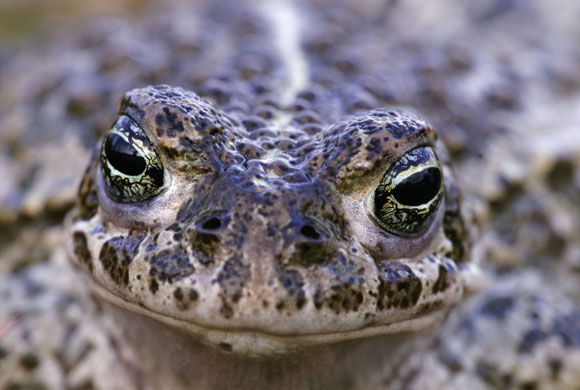
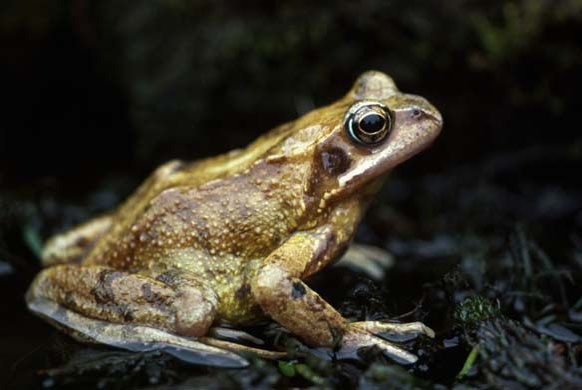
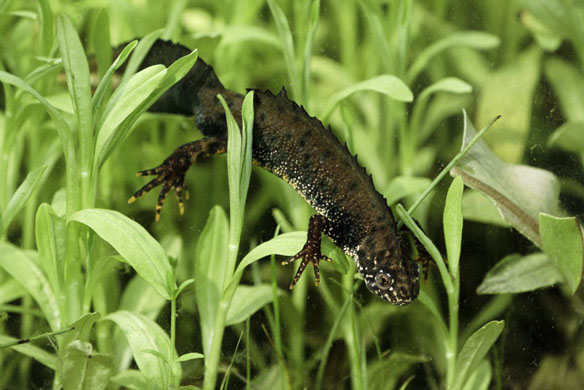
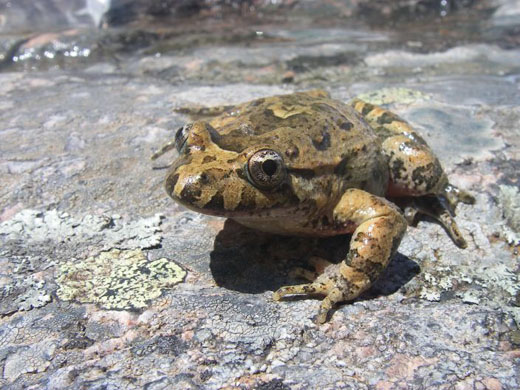
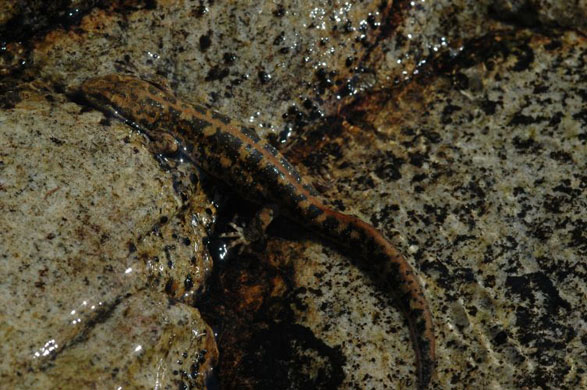
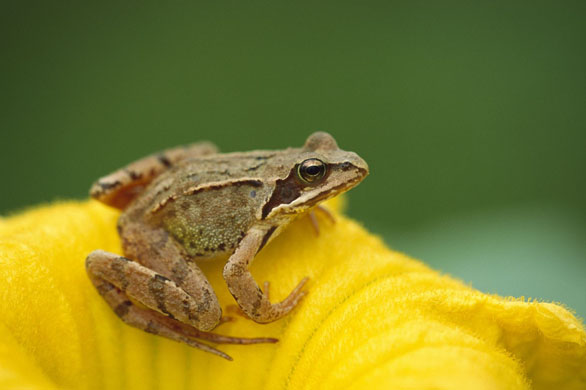
British toads and newts are among those under threat. Viruses are already wiping out many hundreds of amphibians a year, and conservationists fear for the future of species like this natterjack toadPhotograph: ohn Cancalosi/Rex FeaturesIn Britain, infections caused by a family of pathogens called ranaviruses, which emerged in the 1980s, are causing widespread deaths among some of the most common amphibians, such as the common frogPhotograph: George McCarthy/CorbisThe crested newt is also at risk. One in three of the world's amphibians are already on the International Union for the Conservation of Nature's red list of endangered species, with some estimates suggesting 150 species have already become extinct since the 1980sPhotograph: John Cancalosi/Rex Features
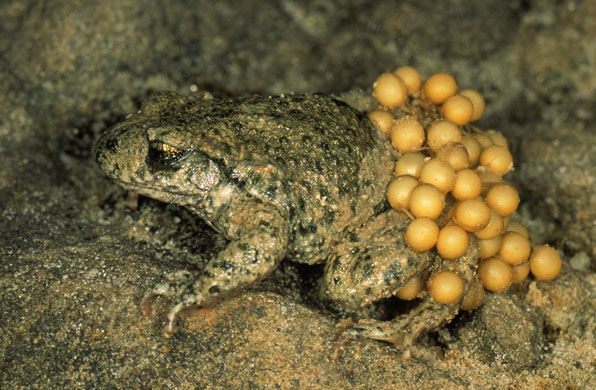
The majority of the most threatened species live in Mediterranean regions, which are expected to become warmer and drier. Island species, such as this Mallorcan midwife toad, are especially at risk because they are unable to move to cooler climatesPhotograph: Duncan Usher/GettyThe Sardinian painted frog. "A lot of European amphibians, especially those found in the Mediterranean, cannot move to find more suitable habitats, because they are surrounded by sea water, which they can't tolerate, or they are blocked off by mountain ranges," said Trent Garner, research scientist at the Zoological Society of LondonPhotograph: Zoological Society of London/PRThe Sardinian brook newt is considered to be especially at risk from climate change. Conservationists are urging zoos to set up captive breeding programmes for the most threatened amphibiansPhotograph: Zoological Society of London/PRThe agile frog is not threatened in most of southern Europe, but in central Europe its small and scattered populations are under threat from climate change, disease and urbanisationPhotograph: Konrad Wothe/Getty
Sign up to read this article
Read news from 100’s of titles, curated specifically for you.