As its vaccination drive reaches a third of adults and COVID-19 infections ease, Europe is starting to reopen cities and beaches, raising hopes that this summer's holiday season can be saved before it is too late.
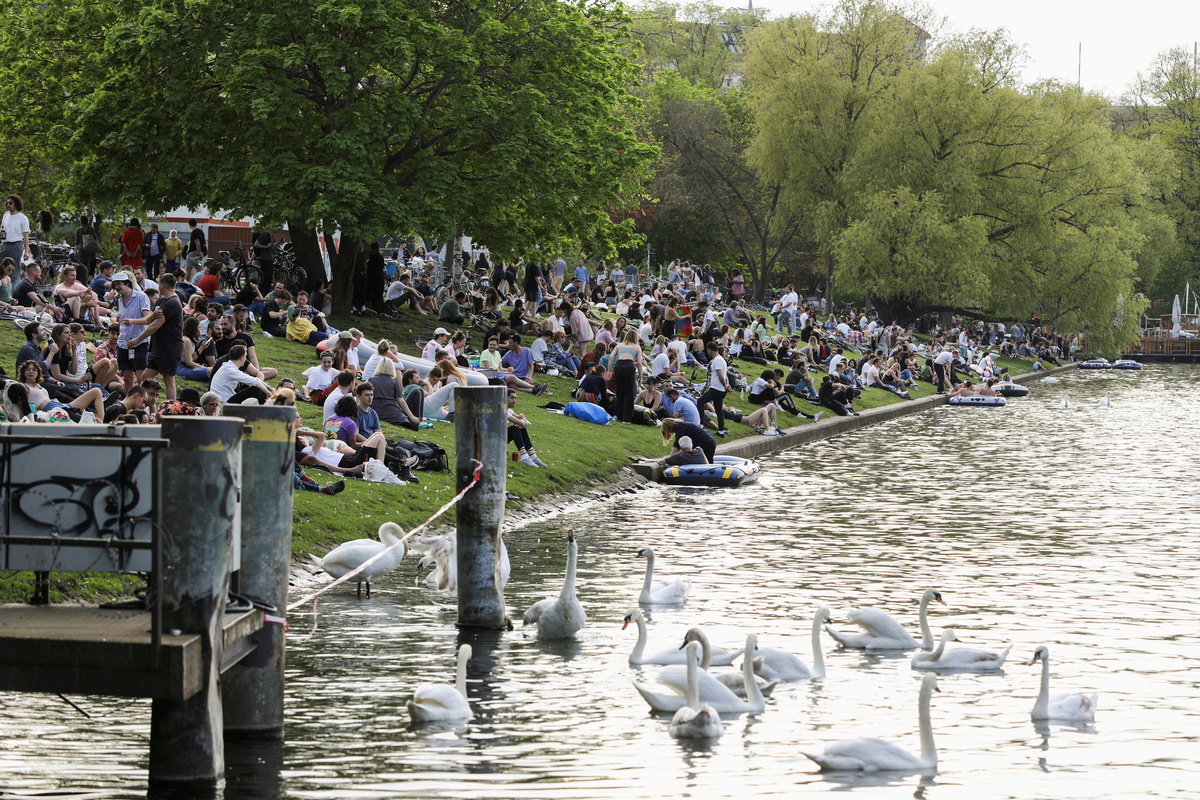
Exhilarated Spaniards chanting "freedom" danced in the streets as a COVID-19 curfew ended in most of the country at the weekend, while Greece reopened public beaches - with deckchairs safely spaced.

With 200 million vaccine doses delivered, the European Union is on track to achieve its goal of inoculating 70% of its adult population by summer, Commission President Ursula von der Leyen tweeted on Sunday.
And, in Germany, a first weekend of summer sun lifted spirits after Health Minister Jens Spahn declared the third wave of the pandemic finally broken.
Yet, Spahn warned: "The mood is better than the reality."
The national seven-day incidence of COVID-19 cases remains high at 119 per 100,000 people, he said. "That makes it all the more important to keep up the speed of the vaccination campaign."
Across the EU, the seven-day incidence of COVID-19 is 185, according to Our World in Data. That is far higher than in countries such as Israel with 6, Britain (31), or the United States (123), all of which made quicker early progress in their vaccination drives.
HEAD START

In Britain, early orders and approval of vaccines and a decision to give first doses to as many people as possible have driven down infections and fatalities far more quickly.
Prime Minister Boris Johnson was expected to set out the next phase of lockdown easing in England, giving the green light to "cautious hugging" and allowing pubs to serve customers pints inside after months of strict measures.
"The data reflects what we already knew - we are not going to let this virus beat us," Johnson said ahead of an official announcement later on Monday.
Vaccine deliveries were slower initially in the EU under its centralised procurement strategy.
Now, with shots from BioNTech/Pfizer and Moderna relatively plentiful, vaccinations as a share of the population in Europe are growing while countries that made early advances see slowdowns as they encounter hesitancy among the unvaccinated.
Some 31.6% of adults in 30 European countries have received a first dose and 12% a full two-shot regime, the European Centre for Disease Prevention and Control's COVID-19 Vaccine Tracker showed.
France expects to give 20 million first injections by mid-May, and hit 30 million by mid-June.
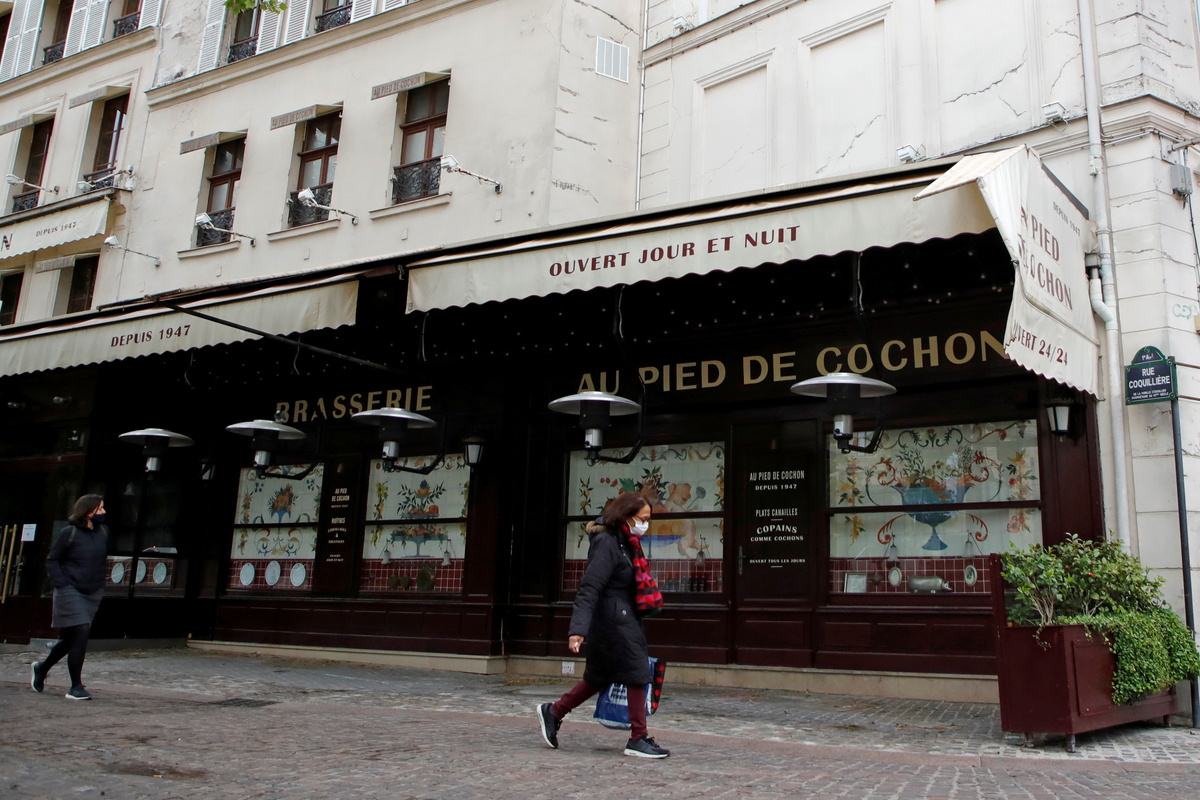
With infection rates falling and occupancy in hospital intensive care units declining, France plans to start relaxing its curfew and allow cafes, bars and restaurants to offer outdoor service from May 19.
PICKING AND CHOOSING
Improving supply has given countries greater freedom to adapt their strategies following reports of very rare, but sometimes fatal, blood clotting in people who received shots from AstraZeneca and Johnson & Johnson.
Germany has decided to make the two vaccines available to anyone who wants them, as long as they have been advised by a doctor - an offer aimed at younger adults who would have to wait their turn otherwise.
Norway's vaccine commission made a similar call on Monday, saying the AstraZeneca and J&J shots should be made available to volunteers. Some Italian regions are also offering both shots to people under 60.
With some governments shortening the gaps between doses, and plans for an EU digital "green pass" scheme in June for travellers to provide proof of vaccination or immunity, people cooped up for months are finally daring to make holiday plans.
"We're pinning our hopes on tourism," said Nikos Venieris, who manages a beach in Alimos, an Athens suburb.
Tourism accounts for about a fifth of Greece's economy and jobs, and the country can ill afford another lost summer. Greece is lifting restrictions on vaccinated foreigners from May 15.
(Writing by Douglas Busvine; Additional reporting by Jordi Rubio, Terje Solsvik, Gwladys Fouche, Matthias Blamont, Emilio Parodi, John Miller, Alan Charlish and Phoebe Fronista; Editing by Giles Elgood)