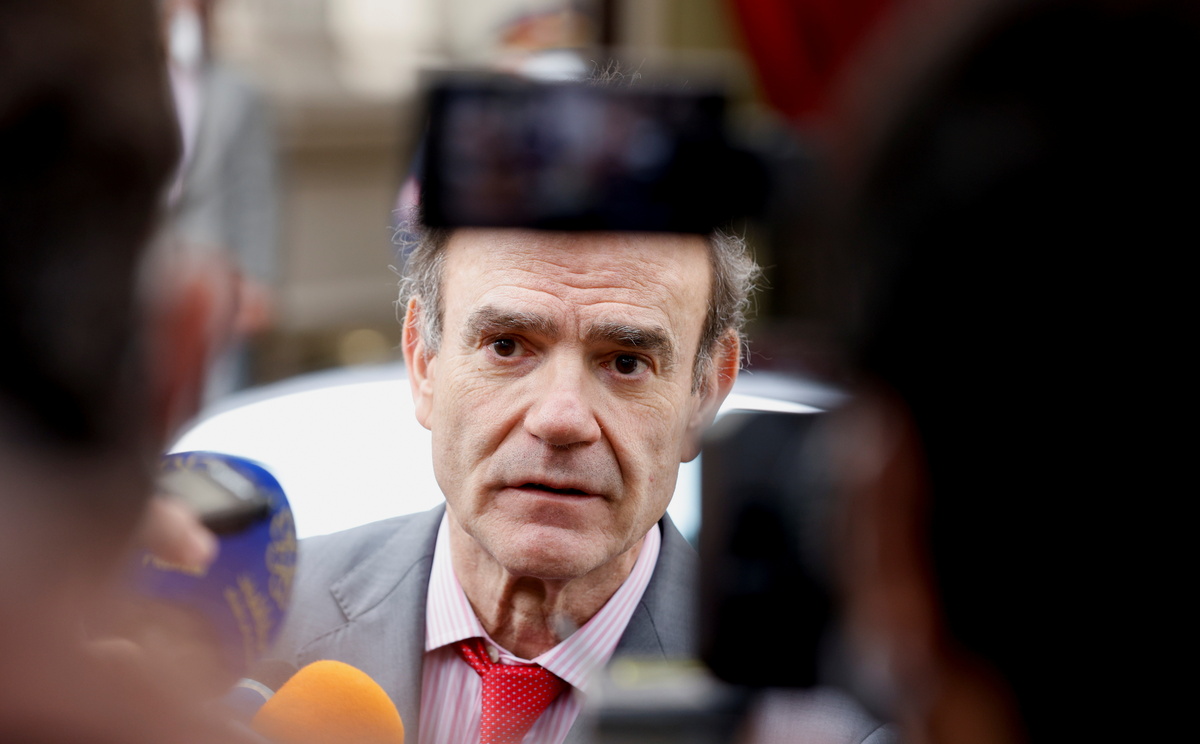
The EU official leading talks to revive Iran's nuclear deal said on Wednesday he was confident a deal would be reached as the negotiations adjourned, although European diplomats said success was not guaranteed with very difficult issues remaining.
The talks resumed in Vienna on May 7 with the remaining parties to the deal - Iran, Russia, China, France, Britain and Germany - meeting in the basement of a luxury hotel, and the United States based in another hotel across the street.
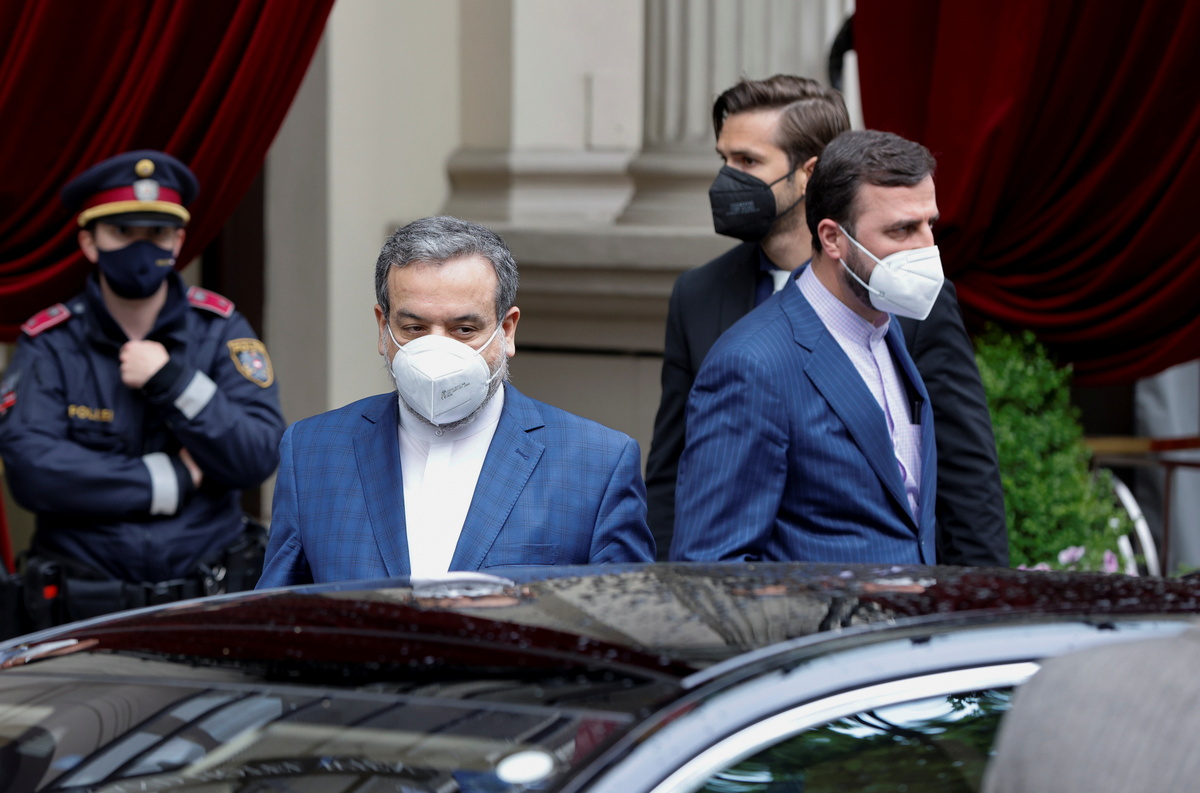
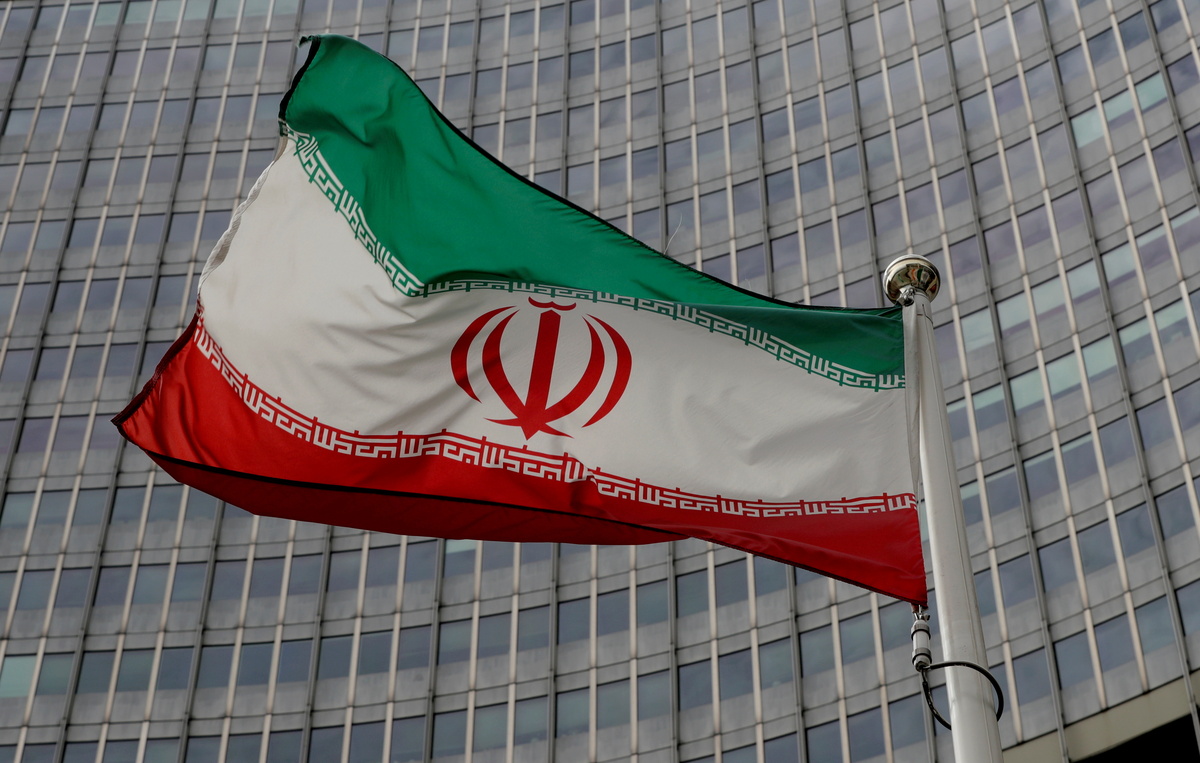
Iran has refused to hold direct talks with the United States on how to resume compliance with the 2015 deal, which former President Donald Trump abandoned in 2018, prompting Tehran to begin violating its terms about a year later.
"I am quite sure that there will be a final agreement. ... I think we are on the right track and we will get an agreement," Enrique Mora, who is coordinating indirect talks between Iran and the United States, told reporters at the end of a fourth round of negotiations.
Russia's envoy, Mikhail Ulyanov, echoed those comments, saying on Twitter he hoped a final round expected to begin next week would be the last one.
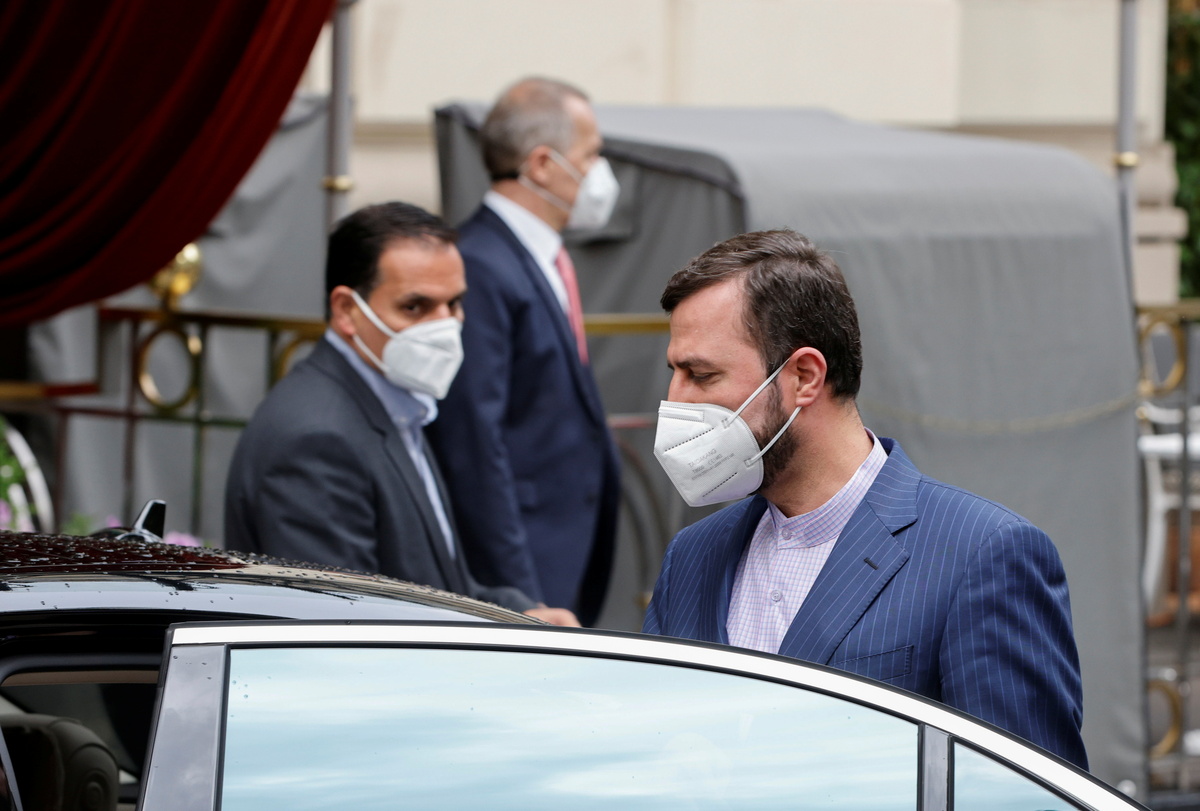
U.S. State Department spokeswoman Jalina Porter said the talks had "really helped to crystallize towards the steps that need to be made by Iran as well as by the United States."
The lead U.S. negotiator, Rob Malley, will fly home this week and the delegation returns to Vienna "earlier next week," Porter said.
The crux of the original agreement was that Iran committed to rein in its nuclear programme to make it harder to obtain the fissile material for a nuclear weapon in return for relief from U.S., EU and U.N. sanctions.
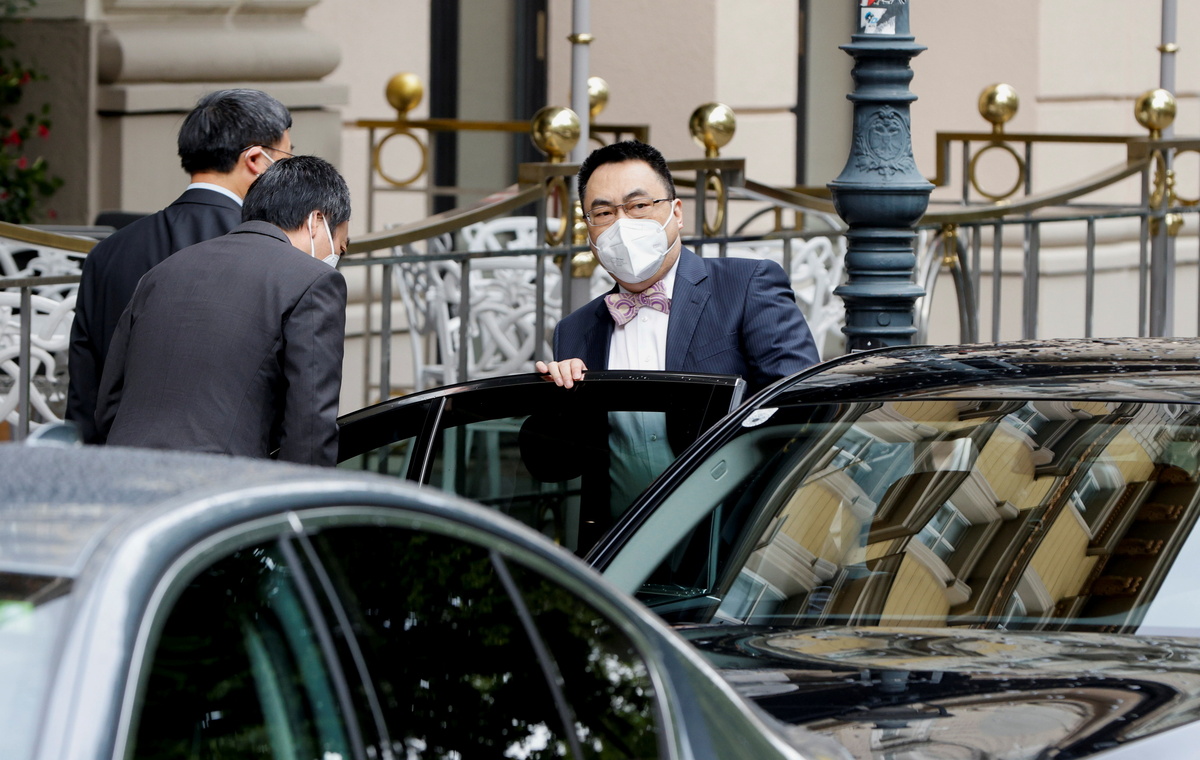
Senior diplomats from Britain, France and Germany (a grouping known as the E3) offered a note of caution, saying that while there was some tangible progress with the contours of a final deal emerging, success was not guaranteed.
"There are still some very difficult issues ahead. We do not underestimate the challenges that lay before us," they said in a statement.
Speaking after meeting Iran's foreign minister in Dublin, Irish Foreign Minister Simon Coveney cited progress, but added: "A deal is far from done though because this is a big
technical negotiation."
Mora said there was a common understanding on what was needed for a U.S. return to the deal, the lifting of related sanctions and the resumption of nuclear commitments by Iran.
"It can be said now that the framework and structure of the agreement has been defined and many clauses of the agreement are being negotiated," Iran's top nuclear negotiator, Abbas Araqchi, told Iranian state TV.
Officials have said they want to move ahead before Iran's presidential election in mid-June, fearing the campaign could poison talks.
They have also had a soft deadline of Friday, when an agreement between Tehran and the IAEA, the U.N. nuclear watchdog, on continued monitoring of some Iranian nuclear activities expires.
The E3 diplomats said it was critical that Iran let the IAEA continue its monitoring and verification work and urged them both to find a way forward.
"IAEA access will of course be essential to our efforts to restore the JCPoA (Joint Comprehensive Plan of Action), as a deal cannot be implemented without it," they said.
(Reporting by Francois Murphy and John Irish; Additional reporting by Parisa Hafezi in Dubai, Simon Lewis in Washington and Conor Humphries in Dublin; Writing by John Irish and Arshad Mohammed; Editing by Gareth Jones, Giles Elgood and Peter Cooney)