
The European Commission plans to create a single European market for data, hoping that pooling the region's deep industrial expertise will help build technology powerhouses to catch up with Silicon Valley and state-backed Chinese heavyweights.
The plan proposed by the EU executive on Monday is part of a digital market policy shake-up that also includes steps to rein in the data controlling powers of companies such as Google, Facebook and Amazon.
Having lagged the first wave of digital innovation, particularly in consumer markets such as social media, online shopping and smartphones, the EU is keen to make up lost ground and avoid its firms relying on data from U.S and Asian rivals.
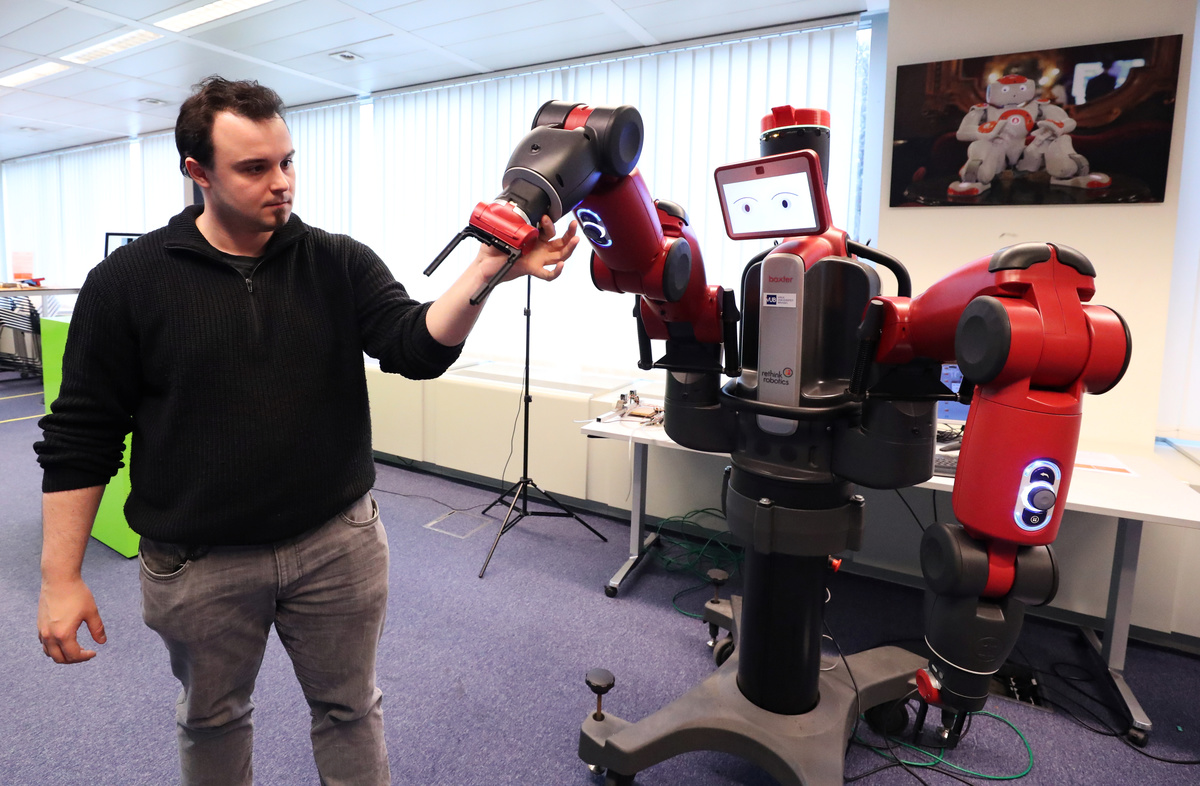
It is hoping that tapping into the trove of industrial data held by companies such as Germany's Siemens and France's Alstom could push Europe to the forefront of the next wave of innovation as machines and industrial processes are connected up via the so-called "internet of things".
"The battle for industrial data starts now and Europe will be the main battlefield. Europe has the largest industrial base. The winners of today will not be the winners of tomorrow," EU industry chief Thierry Breton told a news conference.
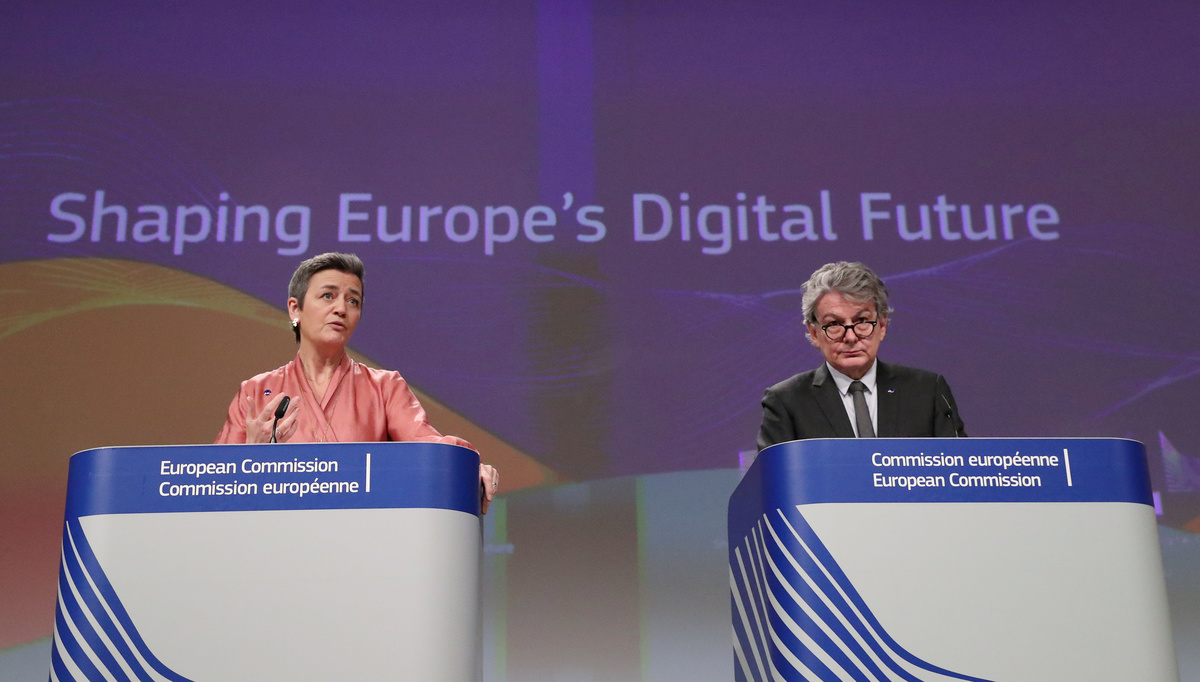
He said a key element of the plan would be the creation of an EU cloud platform alliance, with the EU hoping to mobilize up to 2 billion euros ($2.2 billion) for this. He did not give details of how the platform would work.
Alongside the single European data market, the Commission plans to create smaller data markets centered on key industries, it said. A final draft of its proposals, following feedback from interested parties, is expected by the end of the year.
The plans come alongside moves by some EU countries to introduce digital taxes on major U.S. tech companies, steps condemned by Washington as tantamount to protectionism.

TOUGHER RULES COMING
Other elements in the Commission's proposals include new rules covering cross-border data use, data interoperability and standards for manufacturing, climate change, the auto industry, healthcare, financial services, agriculture and energy.

One possibly controversial proposal calls for doing away with EU rules against anti-competitive data sharing.
There is also a goal for data centers to be climate neutral by 2030.
In response to complaints about the power wielded by large online platforms, the Commission is also considering introducing rules to stop these companies from unilaterally imposing conditions for access and use of data or benefiting from this in a disproportionate way.
"We see some platforms as gatekeepers, that is not what we want for our internal market," Breton said.
European digital and antitrust commissioner Margrethe Vestager said she was looking into opening a wide-ranging inquiry into sectors using new technologies. Such inquiries have in the past triggered investigation into individual companies, leading to fines and other sanctions.
A discussion paper on artificial intelligence also aims to set up a framework to govern the use of the technology used by a growing number of companies, with the rules applying to high-risk sectors such as healthcare, transport and policing.

Vestager said she wanted a debate on the use of facial recognition technology in public spaces. The Commission has previously mulled a ban, but dropped the idea.
Telecoms lobbying groups ETNO and GSMA and the Association of Commercial Television in Europe (ACT), which have pushed for tech rivals to be subjected to the same stringent rules as they are, welcomed the Commission's proposals.
Tech umbrella group CCIA urged the Commission to assess its ideas with care and engage with stakeholders to ensure they boost investments and innovation.
More onerous EU rules known as the digital services act, which could force tech giants to take on more responsibilities for their actions and content hosted on their platforms, are expected to be announced towards the end of the year.
(Reporting by Foo Yun Chee, additional reporting by Jakub Riha and Marine Strauss; Editing by Lisa Shumaker and Mark Potter)
.jpg?w=600)