BRUSSELS _ The European Commission will propose options for boosting joint defense capabilities of the EU's 27 nations, including a fully fledged security union that could overlap with responsibilities currently endowed to NATO, amid a growing rift between the continent and the U.S. administration.
The "nature of the trans-Atlantic relationship is evolving," the European Union's executive arm will say in a "reflection paper" on the future of the bloc's defense, which will be unveiled Wednesday, according to a draft of the document obtained by Bloomberg. "More than ever, Europeans need to take greater responsibility for their own security," EU staff will say, as they also unveil a legislative proposal for the establishment of a defense fund that will streamline the military procurement process across the Continent.
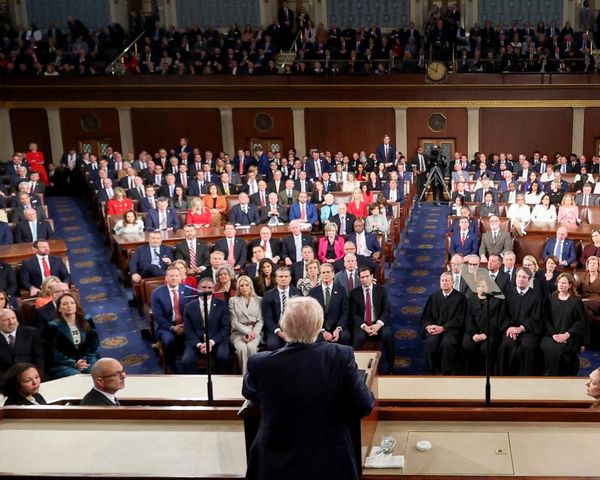
Calls for stronger defense cooperation between European states have gained momentum as disagreements between President Donald Trump and the EU over trade, climate change and defense spending have strained the world's closest political and economic alliance. In a speech in Brussels last month, Trump failed to explicitly commit to Article 5 of NATO'S founding document, which commits members to collective self defense.
Depending on the political will of member states, the commission will outline three proposals for the period leading to 2025 in its reflection paper:
In the first scenario, European Union member states would cooperate on security and defense more frequently than in the past, though such cooperation would remain largely voluntary and depend on ad-hoc decisions as and when a new threat or crisis emerges.
In the second scenario, the EU would move toward shared security and defense, showing far greater financial and operational solidarity, boosting the bloc's ability to project military power and engage fully in external crisis management. According to the more ambitious "common defense and security" scenario, the protection of "Europe would become a mutually reinforcing responsibility of the EU and NATO."
The last scenario envisages that the EU would be in a position to run high-end operations including those against terrorist groups and naval operations in hostile environments. The option also lays the ground for a European army, in the form of "pre-positioned permanently available forces" for rapid deployment "on behalf of the union," as well as a European border and coast guard relying on European intelligence assets, such as remotely piloted aircraft systems or satellites.