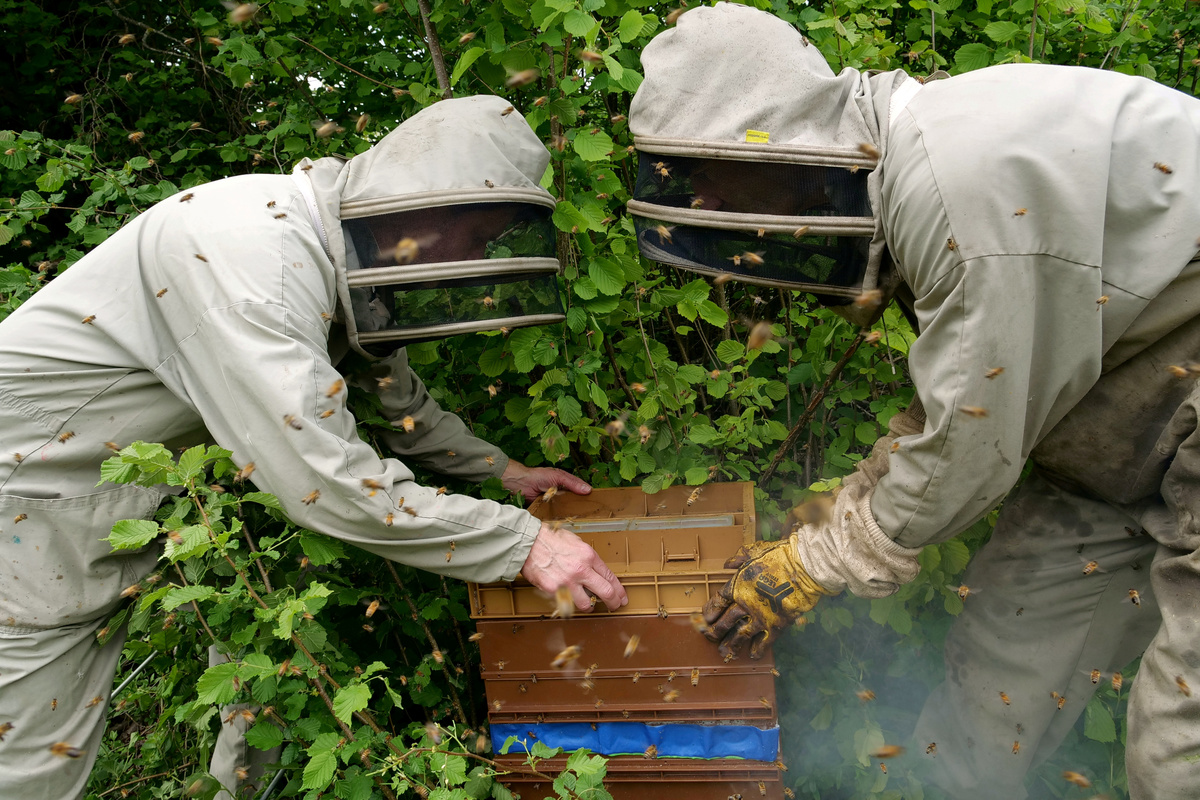
The European Commission is seeking to halve the use of chemical pesticides by 2030 to halt the decline of pollinators, in a plan likely to draw criticism both from those urging a phase-out of the substances and from farmers who say crop yields will suffer.
The Commission, the EU executive, wants to commit the European Union to a halving of the use of chemical and "high-risk" pesticides by 2030, a draft document seen by Reuters and set to be published on May 20 showed.
It did not explain what it meant by high-risk or how it would enforce the reduction.
The Commission declines to comment on unpublished drafts, which are working documents and are subject to change until they are adopted.
A Commission plan to make agriculture more sustainable, also due on 20 May, may add details.
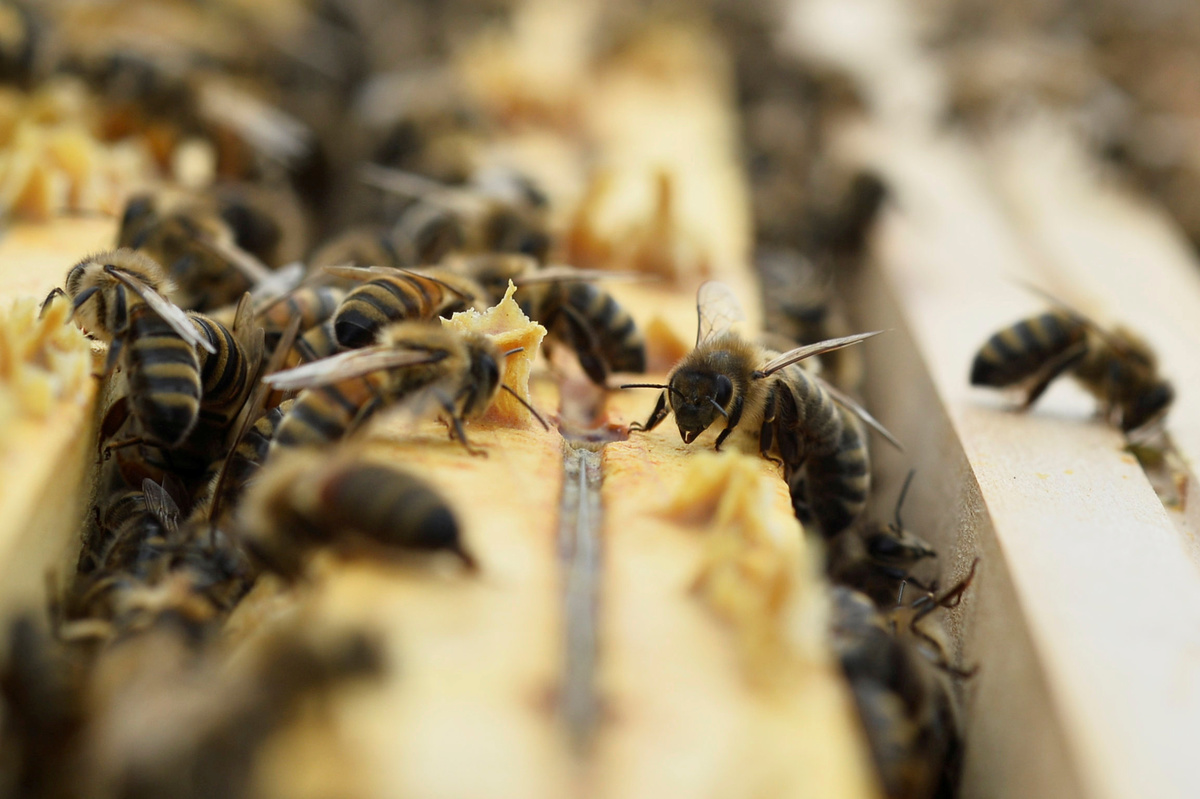
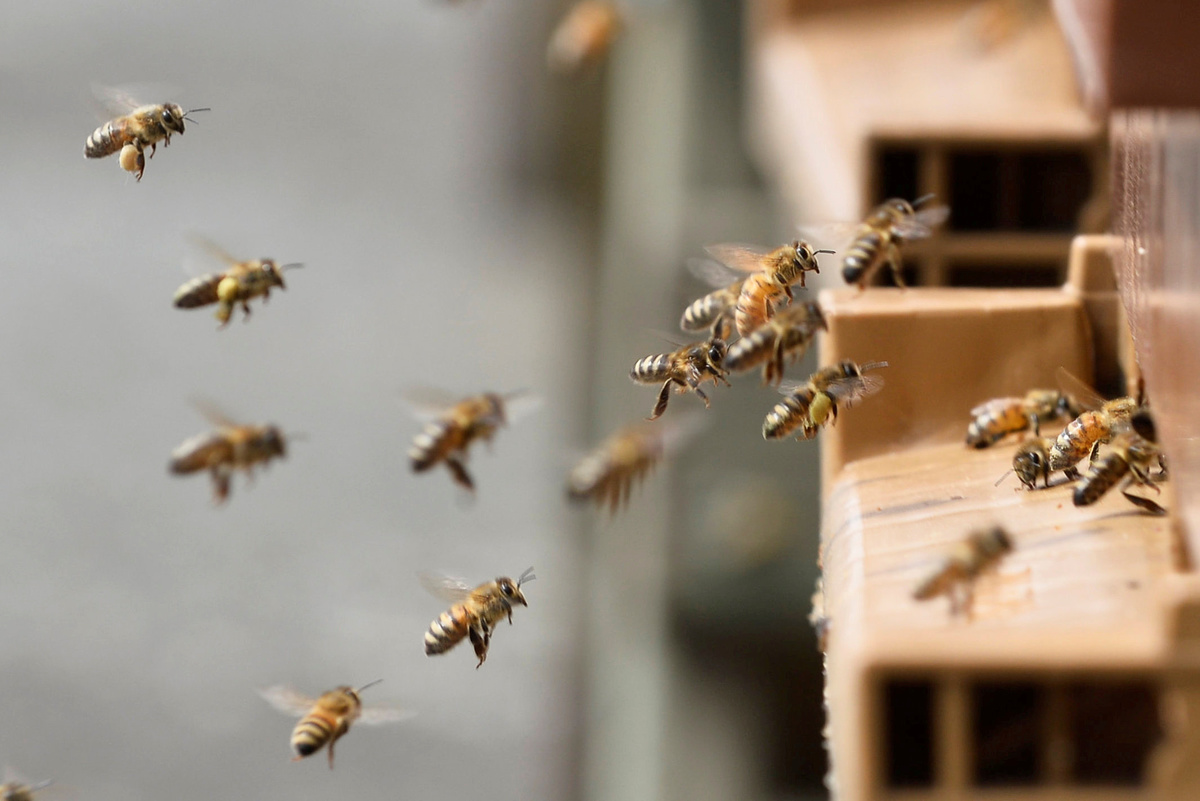
Beekeepers in western Europe have reported a fall in the number of bees and colony losses over the last 15 years, the European Food Safety Authority said.
EU lawmakers say this trend endangers the 76% of food production in Europe that depends on pollination.
Already EU regulators banned outdoor use of neonicotinoid insecticides in 2018, meaning they can only be used in closed greenhouses.
Some farming groups have said a wide ban on pesticides could cause crop yields to fall, and urged the Commission to assess the impact of the measures before fixing binding targets.
"We acknowledge calls for pesticide reductions and let's be clear - we are open to discuss targets," Geraldine Kutas, director general of the European Crop Protection Association, said. "Targets however have to be realistic and science-based."
The sugar industry in the Netherlands lost 2.3 million euros ($2.48 million) in revenue in 2019 because of impacts associated with a lack of neonicotinoid use, the International Confederation of European Beet Growers said.
Bayer, among the top makers of crop chemicals, said in an emailed statement it aimed to cut the environmental impact of crop protection by 30 percent by 2030 as part of its own sustainability goals.
Referring to a wider environmental and economic stimulus programme proposed by the Commission last year, it said it mirrored "many of Bayer's sustainability commitments".
A spokeswoman for BASF, another major crop chemicals maker, said the company would not comment until the document was published.
European lawmakers have called for binding targets to cut pesticide use in the EU. Organic food and farming organisation IFOAM is also pushing for more ambitious targets than the draft proposal - an 80% reduction in synthetic pesticides by 2030 and a total phase-out by 2035.
The draft also includes a goal to plant three billion trees in the EU by 2030, to help absorb carbon dioxide from the atmosphere and make cities greener.
(Reporting by Kate Abnett, Marine Strauss; additional reporting by Ludwig Burger; editing by Barbara Lewis)