BRUSSELS (Reuters) - The European Union on Wednesday declined to recognise the result of Venezuela's violence-marred election and said it was ready to "gradually step up" pressure on leftist President Nicolas Maduro, though shied away from introducing sanctions.
The European Union's top diplomat Federica Mogherini said in a statement that the bloc's 28 member states could not recognise the Constituent Assembly "as they have concerns over its effective representativeness and legitimacy".
The assembly is meant to be a legislative super-body that has been decried by critics as illegitimate. It is designed to give Maduro powers to rewrite the constitution and sideline the opposition-led congress.
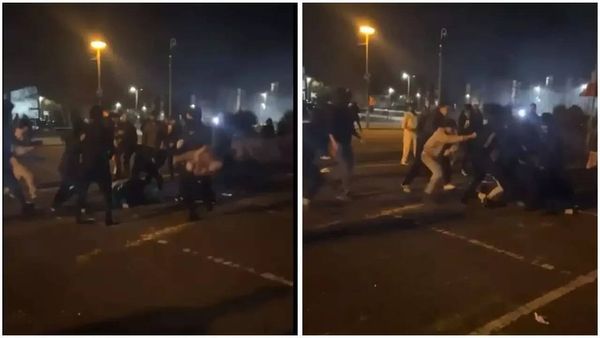
Venezuela jailed two leading Maduro critics on Tuesday in a fresh blow to the opposition after deadly protests erupted around Sunday's election, prompting the United States to impose sanctions on the president.
Washington and the EU tend to coordinate their sanctions but the bloc has been divided over how to respond.
The bloc told Maduro to "take urgent measures to rectify the course of events" and that it was "ready to gradually step up ... response in case democratic principles are further undermined and the Venezuelan Constitution is not respected".
It would need unanimity to act. Spain has been the most vocal in advocating sanctions but others have mostly been coy.
The head of the bloc's common parliament, Antonio Tajani, on Tuesday joined those calling for Maduro to be punished.
In a letter, he said that following the "unjustified arrests" of opposition leaders Antonio Ledezma and Leopoldo Lopez, he would like to consider "freezing assets and imposing travel ban to the EU to the members of the Venezuelan government including its President, Nicolas Maduro and its entourage".
Diplomats in Brussels said that did not seem imminent, but stressed the sense of worry was building up in the bloc and that could lead to more action ahead.
For now, the bloc also called on Maduro to free jailed political opponents, and on all sides to refrain from violence.
On Monday, the United States froze Maduro's assets subject to U.S. jurisdiction, and barred Americans from doing business with him.
(Editing by Alison Williams)