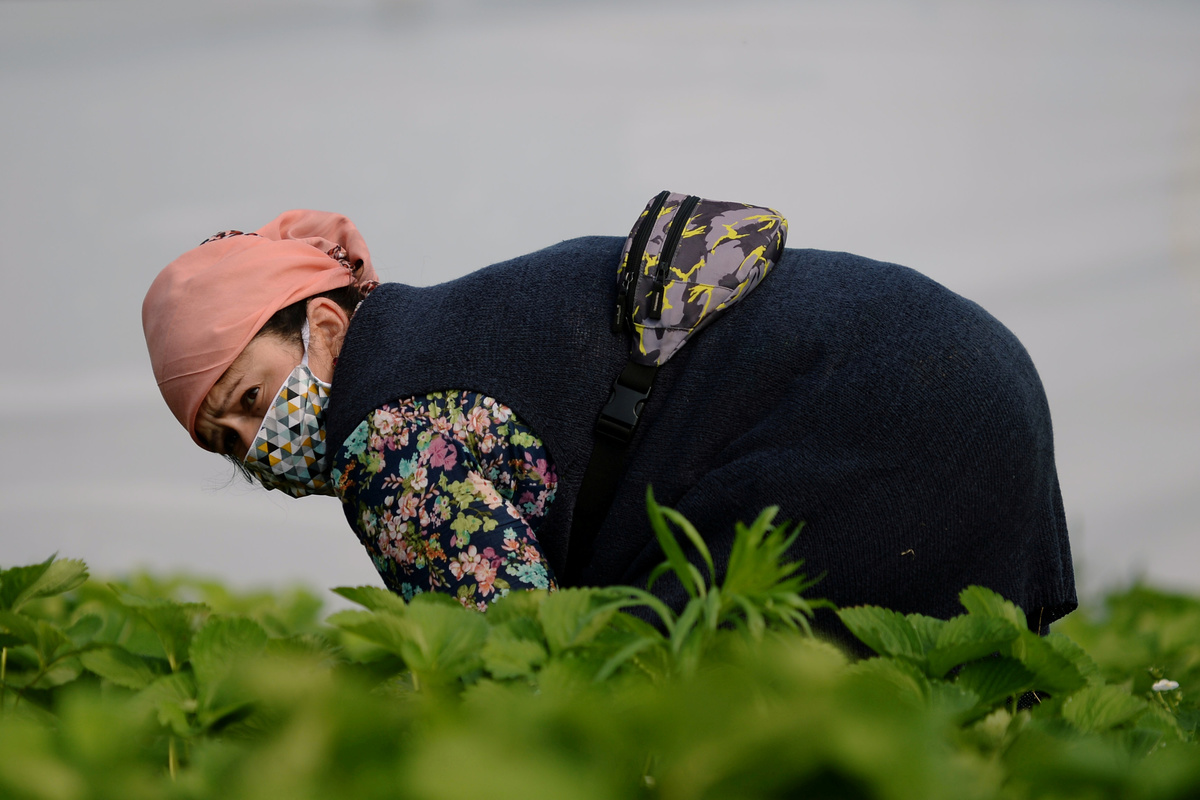
The European Union will step up efforts to make food production more sustainable and halt biodiversity loss, after the coronavirus pandemic has exposed the need for a healthier relationship between human activity and nature.
The European Commission, the bloc's executive, proposed on Wednesday targets to prevent the degradation of natural habitats that can drive animals into closer contact with humans.
The World Health Organization has said the novel coronavirus probably has its "ecological reservoir" in bats, while scientists say 60% of the infectious diseases that emerged during 1990-2004 were of animal origin.
"By destroying nature at an unprecedented rate... we literally threaten our own life, our health and our wellbeing," EU climate chief Frans Timmermans said.
The Commission wants the EU's share of organic farming to reach 25% in 2030, up from 8% today, while 10% of agricultural land must comprise "high diversity" landscapes, such as ponds and hedges.
Other targets would cut chemical pesticide use by 50% and fertiliser use by 20% by 2030.
The targets are not yet legally binding. Draft laws will follow and will need approval from the 27 member states and the European Parliament.
Farming groups said organic farming typically produces smaller yields and ring-fencing land for natural habitats would limit farmers' ability to respond to increases in demand.
The Commission said the proposals would not compromise Europe's food security, and the pandemic could prompt consumers to choose local, sustainable foods - even as the bloc faces a steep economic recession.
"There will be shortened supply lines, there will be more produced in Europe," Timmermans said.
The measures aim to align agriculture with the Commission's target to reduce net EU emissions to zero by 2050.
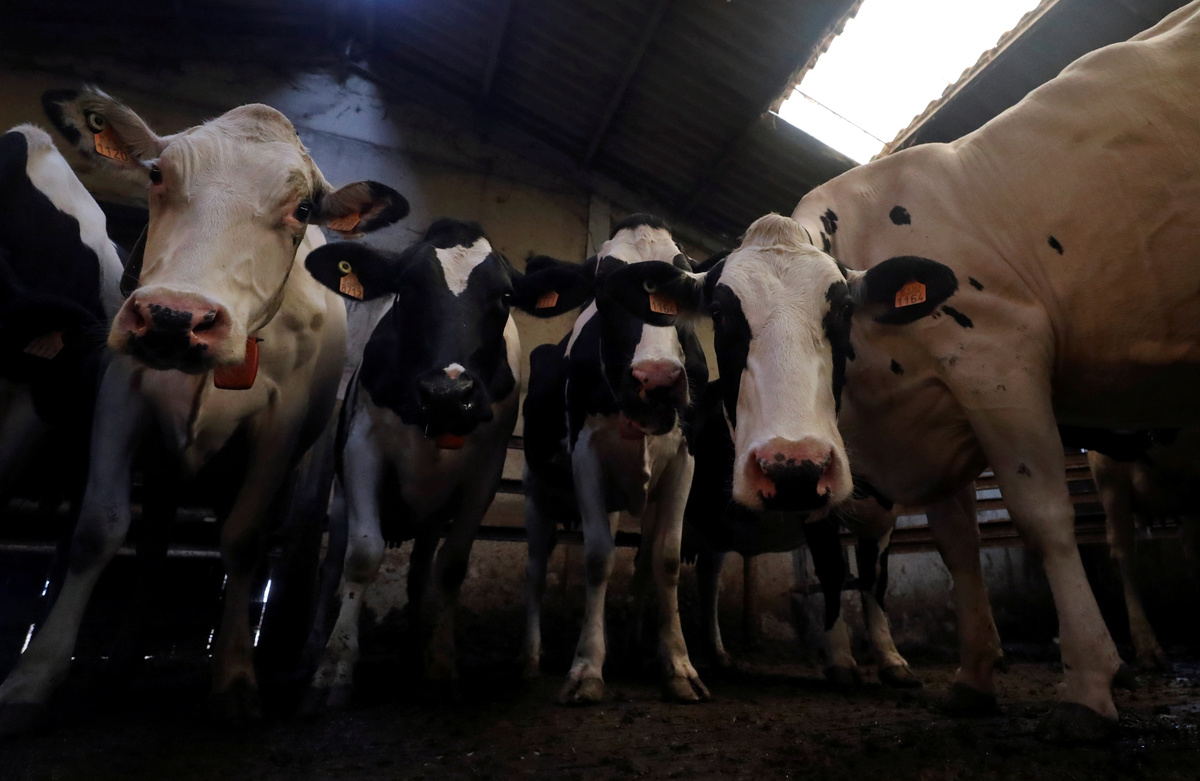
Agriculture produces around 10% of EU greenhouse gas emissions, of which 70% are from animal farming.
An earlier draft had pledged to "stop stimulating production or consumption of meat," but the proposal was removed.
Much of the funding to achieve the goals will come from the "common agricultural policy" section of the bloc's next budget, which EU leaders are reworking because of the pandemic.
(Reporting by Kate Abnett and Marine Strauss; editing by Barbara Lewis)