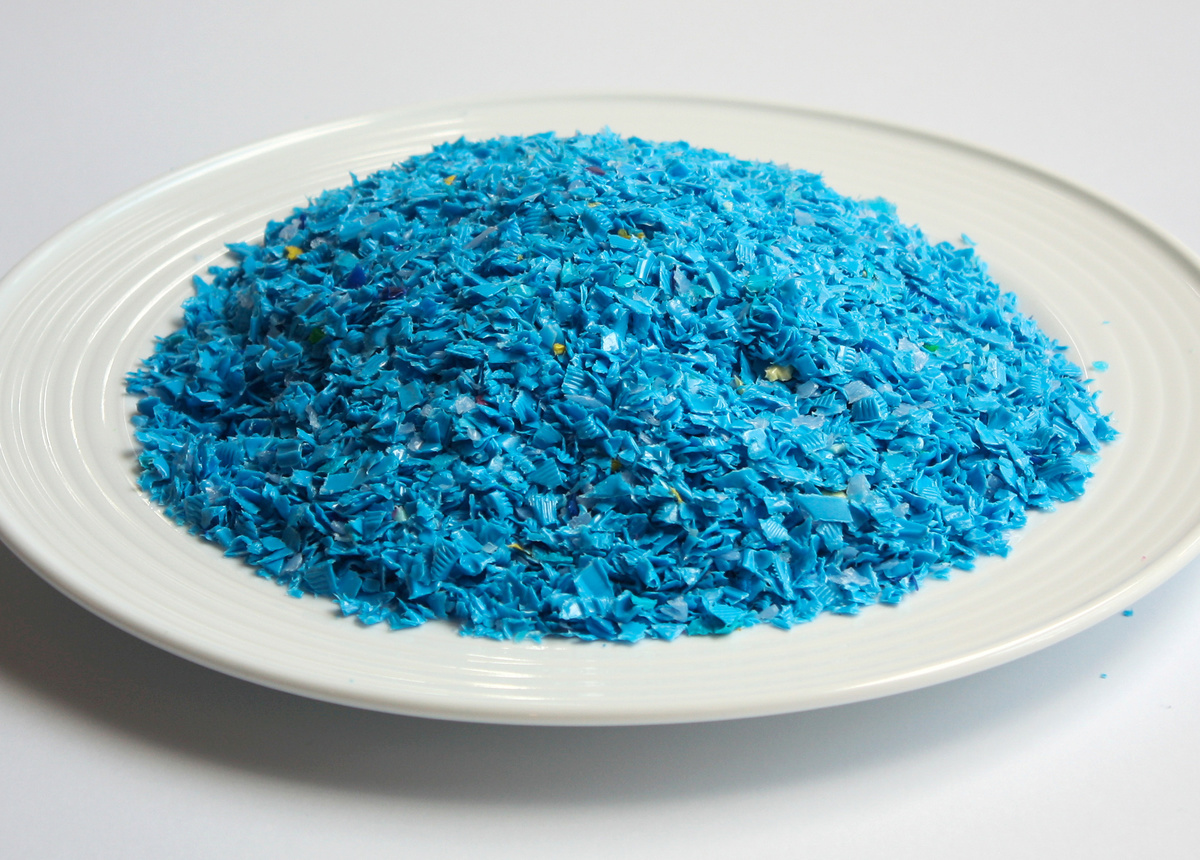
A draft EU ban on microplastics would allow industry to use even smaller particles in cosmetics, detergents and paints, which could be more damaging than the tiny pieces of plastic already clogging up the natural world, campaigners and some EU advisers say.
The Commission, the EU executive, will next year seek a ban following a proposal from EU agency the European Chemicals Agency (ECHA) to prevent the addition of microplastics to certain products sold in Europe.
ECHA originally sought to prohibit microplastics with a minimum size of 1 nanometre (nm) for particles and 3 nm for fibres. But after input from expert groups and industry, it increased the minimum size for particles by 100 times to 100 nm.
Analysis by the non-profit network European Environmental Bureau (EEB), published on Tuesday, said this would allow companies to use smaller nanoplastic particles.
"It gives manufacturers a perverse incentive to switch production from micro to nano plastic, which may be more harmful to human and animal health because it can more easily get inside and harm living cells," the EEB said.
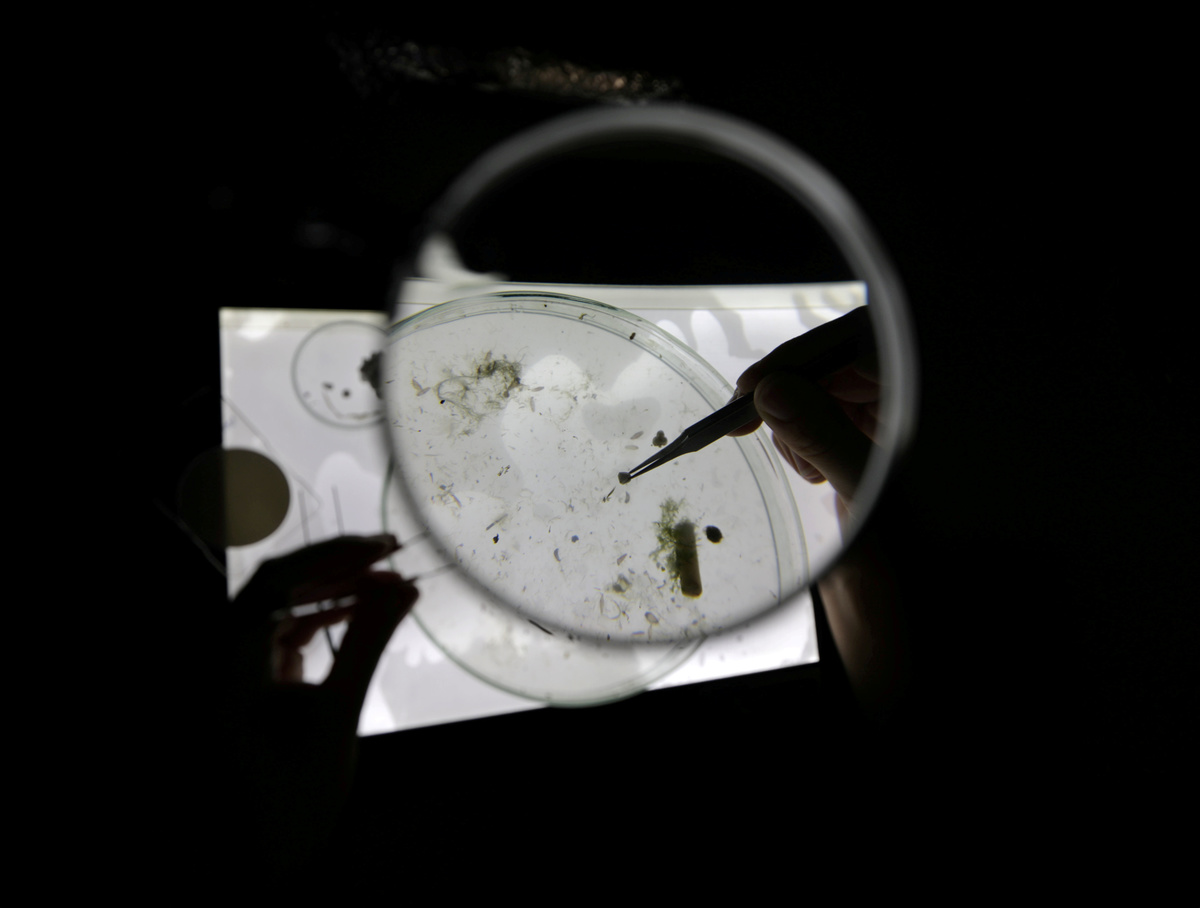
ECHA told Reuters it increased the size limit to ensure the restriction could be enforced, after industry groups said it is not possible to monitor the smallest particles.
European chemicals industry group CEFIC is among those seeking the exclusion of smaller nanoplastics from the ban.
"In many cases, the lower sizes are impossible to measure, which compromises the ability to implement and enforce the restriction," CEFIC told Reuters in an email.
Most intentionally added microplastics are bigger than 100 nm, although smaller particles are added to some cosmetics and laundry detergents.
The Committee for Risk Assessment, an expert group advising the Commission, said there is a "significant knowledge gap," but research suggests smaller particles are more toxic and can penetrate deeply into the cells of marine life.
Not banning these smaller particles "may lead to regrettable substitution to particles with smaller size," it said.
In Europe, around 42,000 tonnes of intentionally-added microplastics are released into the environment annually.
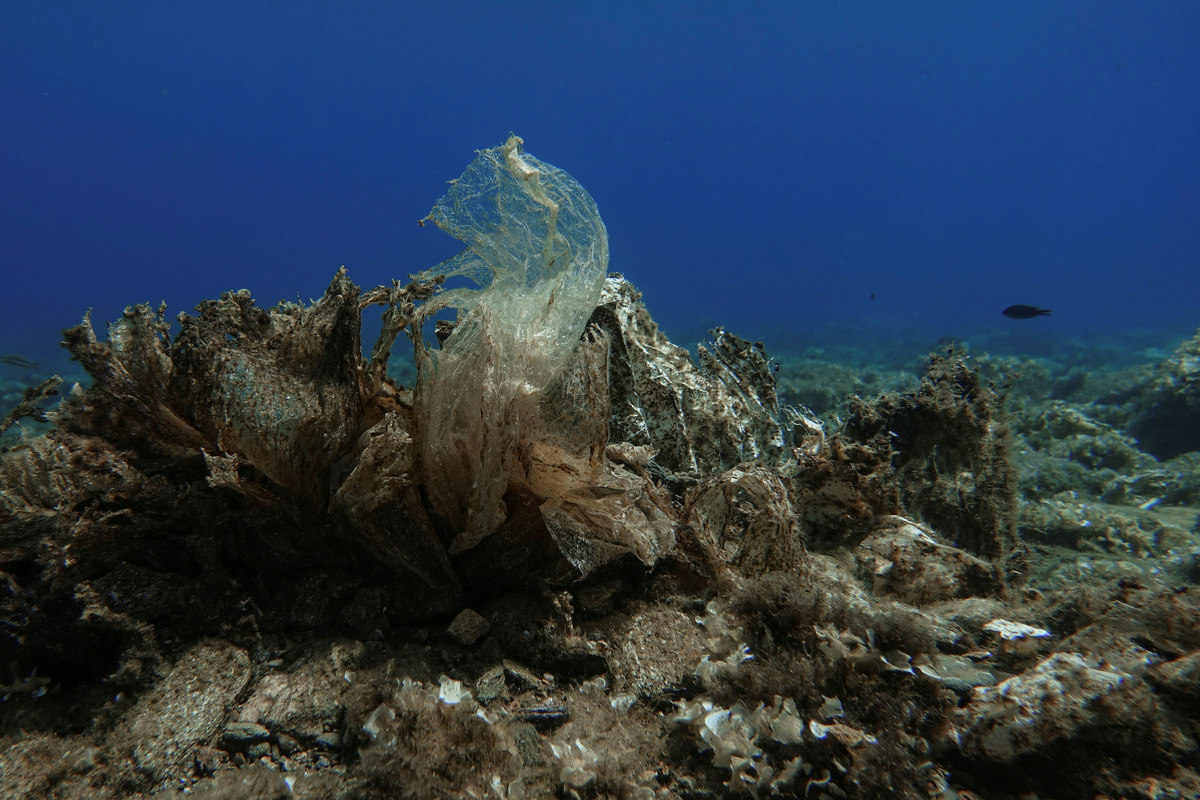
Microplastics, which are also created when bigger pieces of plastic litter break up over time, have been found in almost all environments investigated, including polar sea ice and the deepest ocean trenches.
(Reporting by Kate Abnett; editing by Barbara Lewis)