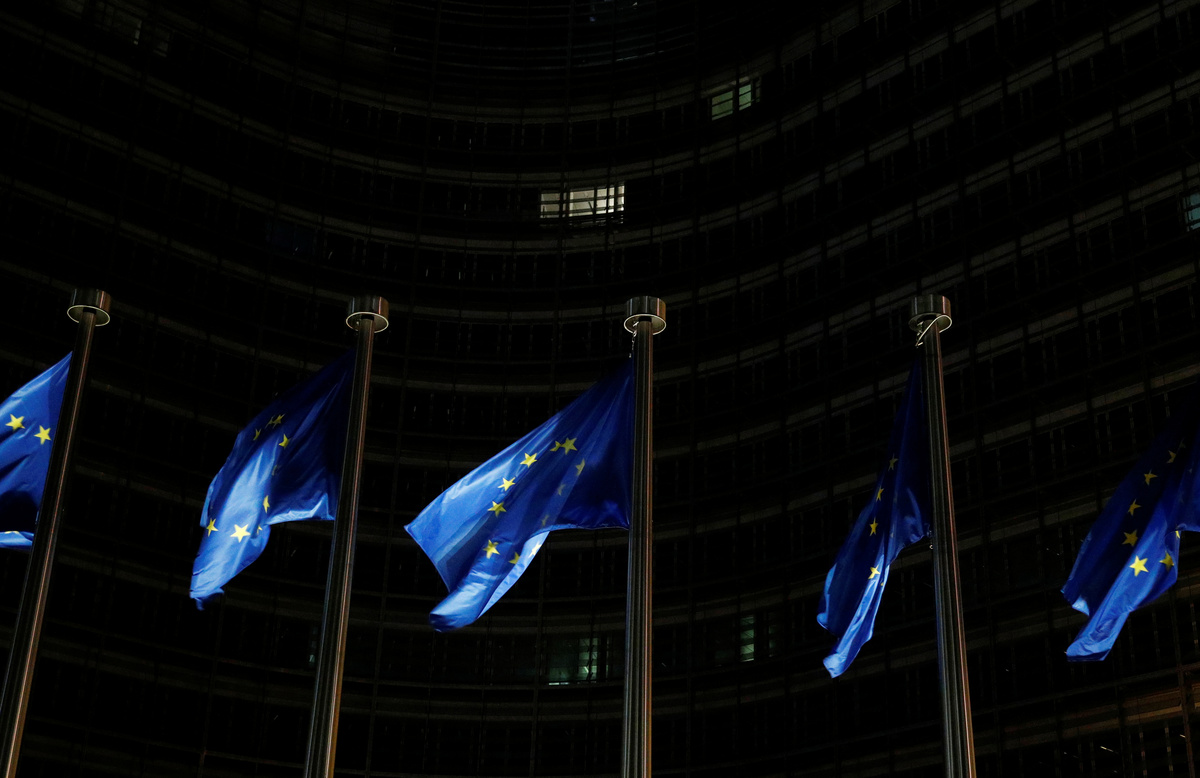
BRUSSELS (Reuters) - European Union government leaders declined on Friday to set tougher targets for fighting climate change, dashing hopes they would inject momentum into a United Nations climate conference in Chile in December.
At a two-day EU summit in Brussels, which was largely dominated by Brexit, discussion on climate was relegated to the last agenda item and took less than 15 minutes.
"The existential threat posed by climate change requires enhanced ambition and increased climate action by the EU and at global level," read the final statement by the leaders.
The bloc aimed to "finalize its guidance on the EU's long-term strategy on climate change at its December meeting."
That means the EU will not bring more ambitious climate change-fighting objectives to the U.N. gathering in Santiago on Dec. 2-13, part of a process to check signatories' progress toward implementing the 2015 Paris accords.
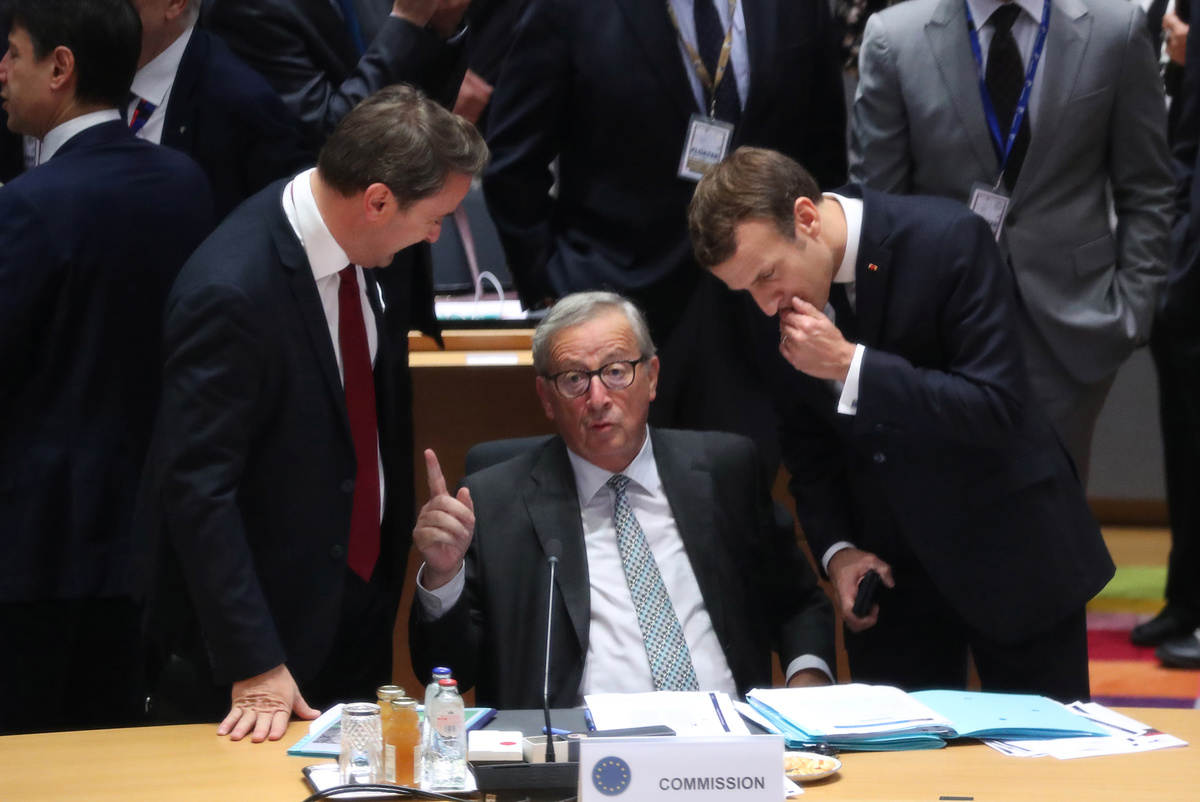
Beyond the cautious wording of Friday's EU communique lurks deep divisions over climate strategy within the 28-nation bloc, whose standing goal is to cut greenhouse gas emissions by 40% by 2030 compared to 1990 levels.
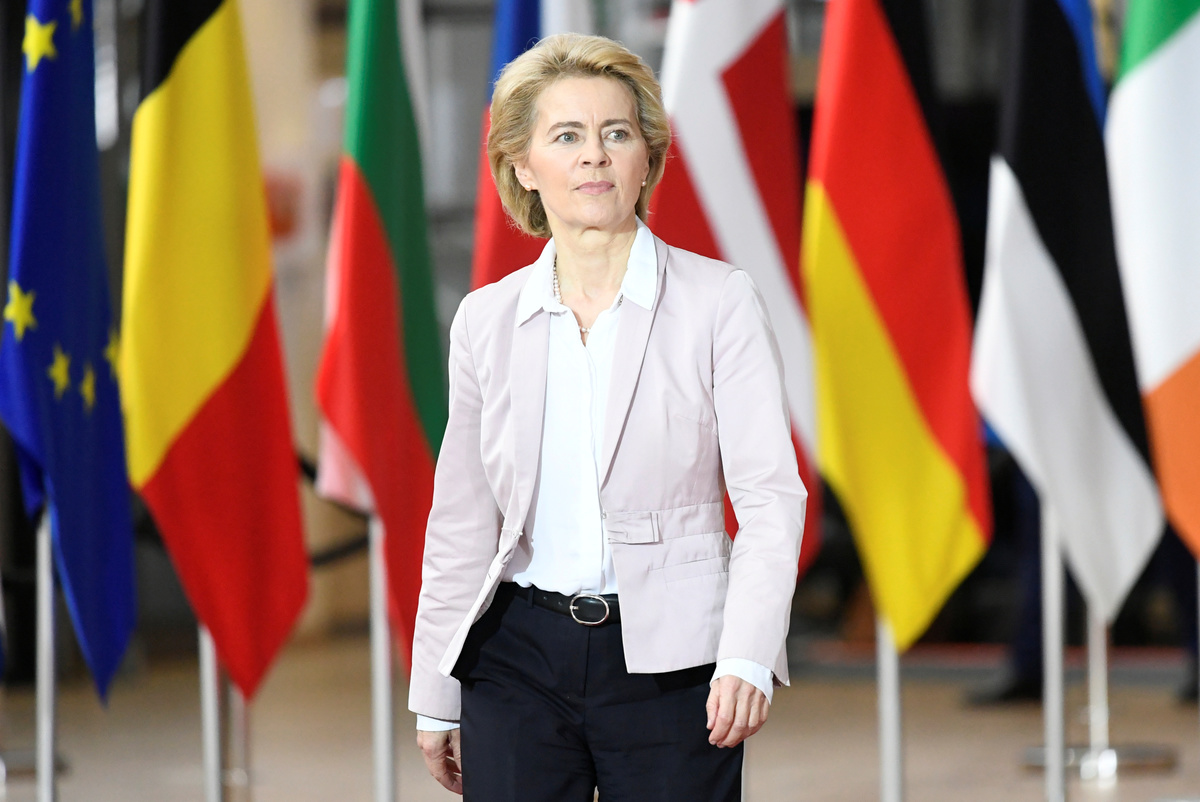
Many EU countries want to go further on the 2030 target and commit the EU to achieving net-zero emissions by 2050. Ursula von der Leyen, the incoming president of the EU's powerful executive, has made it one of her top priorities.
But poorer eastern member countries like Poland, Hungary and the Czech Republic, whose economies rely much more on coal for electricity production, are reluctant to do more.
Von der Leyen hopes to raise the 2030 goal from 40% to "at least" 50%. After much wrangling, the German cabinet this month approved a plan aiming to cut emissions to 55% of 1990 levels over the next decade.
(Reporting by Jonas Ekblom; Editing by Gabriela Baczynska and Mark Heinrich)