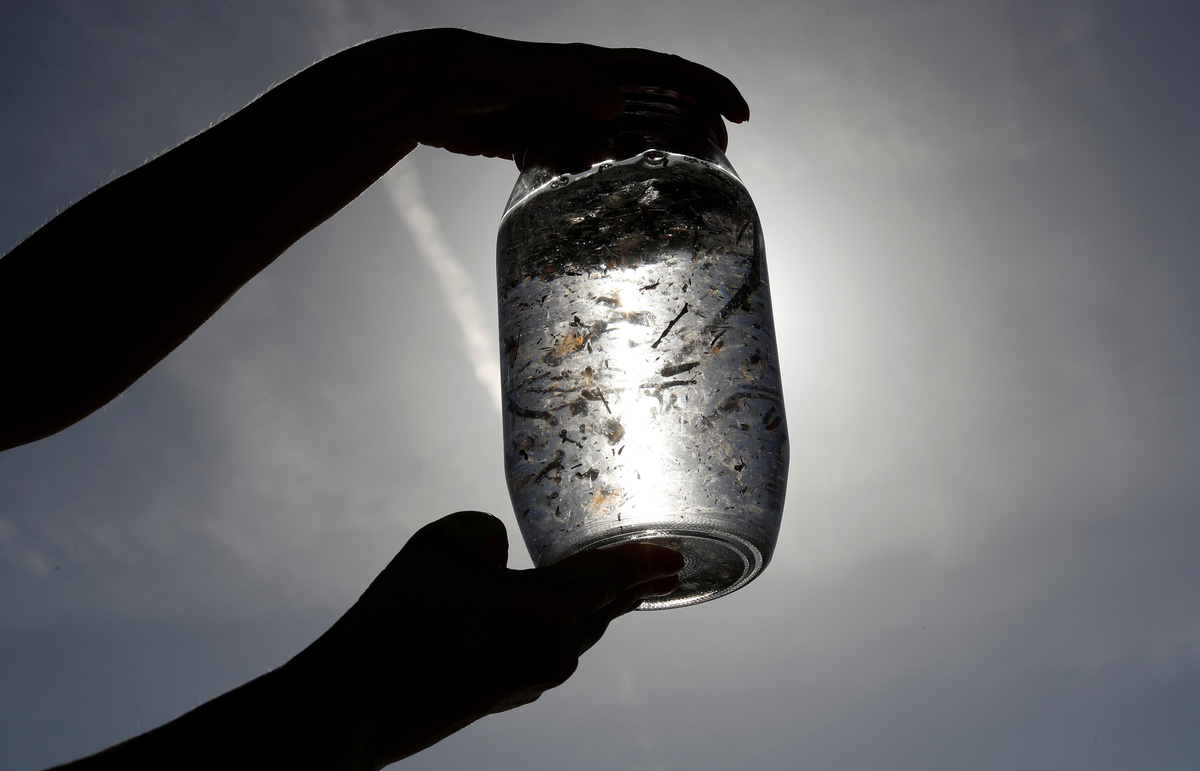
HELSINKI (Reuters) - The EU Chemicals Agency ECHA on Friday proposed a ban on deliberately adding microplastics to products such as cosmetics, detergents and agricultural fertilisers in the EU by 2020 to combat pollution.
The tiny bits of plastic pollution in waterways and oceans are causing growing concern among scientists about their effect on marine ecosystems.
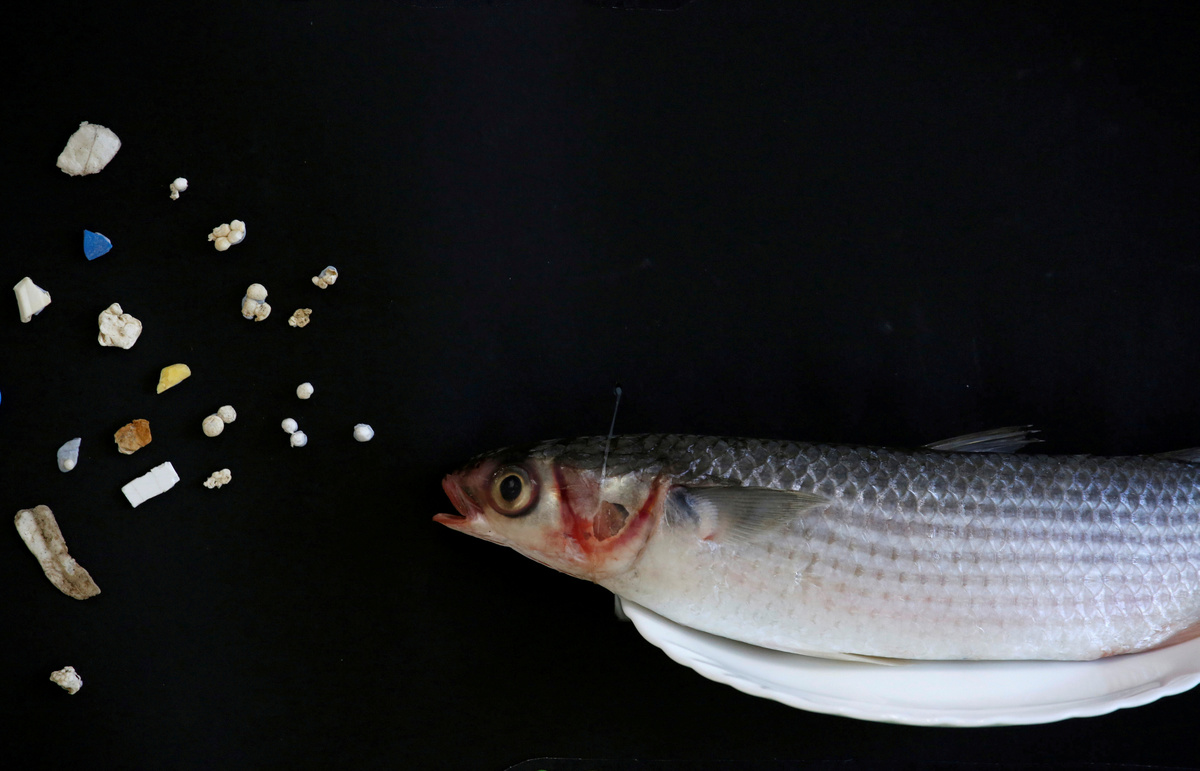
The European Commission, which estimates that between 70,000 and 200,000 tonnes of microplastics enter the environment each year, had requested the proposal from the ECHA as part of its plastics strategy.
"The aim is to avoid nearly 30,000 tonnes of microplastics ending up in nature a year," the ECHA's spokesman Matti Vainio said at a conference in Helsinki.
The Commission's Vice President Jyrki Katainen, who also spoke at the event, said an EU ban could set a standard for industries around the world.
"The European Union is first in the world to have launched a comprehensive plastics strategy which aims at reducing also microplastics," he said.
The ECHA will present its official proposal within a year for the EU member countries to consider and Katainen said the Commission could approve it towards the end of 2020.
Vainio warned the use of microplastics would continue to increase rapidly without the ban.
"It emerged as a surprise to us that agriculture is the largest user of microplastics", Vainio said, referring to a widely-used technology to encapsulate agricultural fertilizers within tiny plastic shells that emit them slowly into the soil but leave behind microplastics.
The proposed ban would exclude some products such as medicine and paints.
(Reporting by Anne Kauranen; Editing by Alison Williams and Raissa Kasolowsky)