The European Union, Britain and Italy have urged Russia to commit to reach net zero carbon dioxide emissions by 2050 and step up its plans to tackle climate change ahead of the COP26 summit.
Russia, one of the biggest polluters that has not set a "net zero" emissions target, is coming under increased pressure as world leaders prepare for the United Nations COP26 summit, which runs from Oct. 31 to Nov. 12 in Glasgow, Scotland.
"We invite Russia to make even more ambitious commitments to achieve zero net carbon emissions by 2050, joining us and many other countries that have already stated similar goals," the EU, Britain and Italy's ambassadors to Russia said in a joint article, published in the Kommersant newspaper.
The COP26 summit is seen as a crucial chance to wring out ambitious enough commitments from governments to stop global warming spiralling beyond 1.5 degrees Celsius - the limit that scientists say would avoid the worst impacts of climate change.
The ambassadors urged Russia to "seize this opportunity" to develop renewable energy, green technologies and protect carbon-consuming forests, to help boost its economy and create jobs in low-carbon sectors.
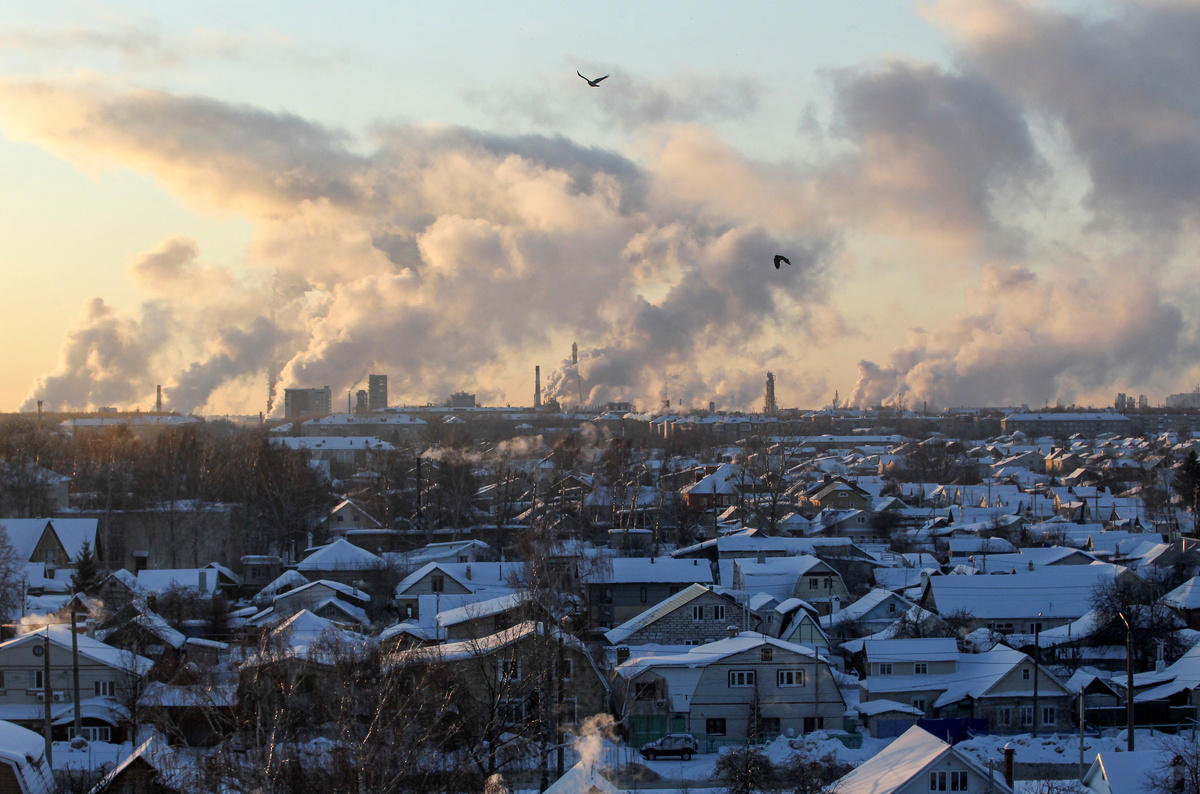
Russia is a major producer of oil and gas, fossil fuels that when combusted produce the greenhouse gas emissions driving climate change.
Failure to rein in climate change would worsen impacts such as the devastating wildfires and floods that Russia experienced this summer, the ambassadors said, adding that governments must work together to tackle the problem.
Russia has said it will cut its 2030 emissions to 70% of 1990 levels, a target it is expected to achieve because of de-industrialisation since the Soviet Union broke up in 1991.
Campaigners have said that goal could actually allow the country to increase its emissions by 2030, when compared with today's levels.
(Reporting by Kate Abnett; Editing by Gareth Jones)