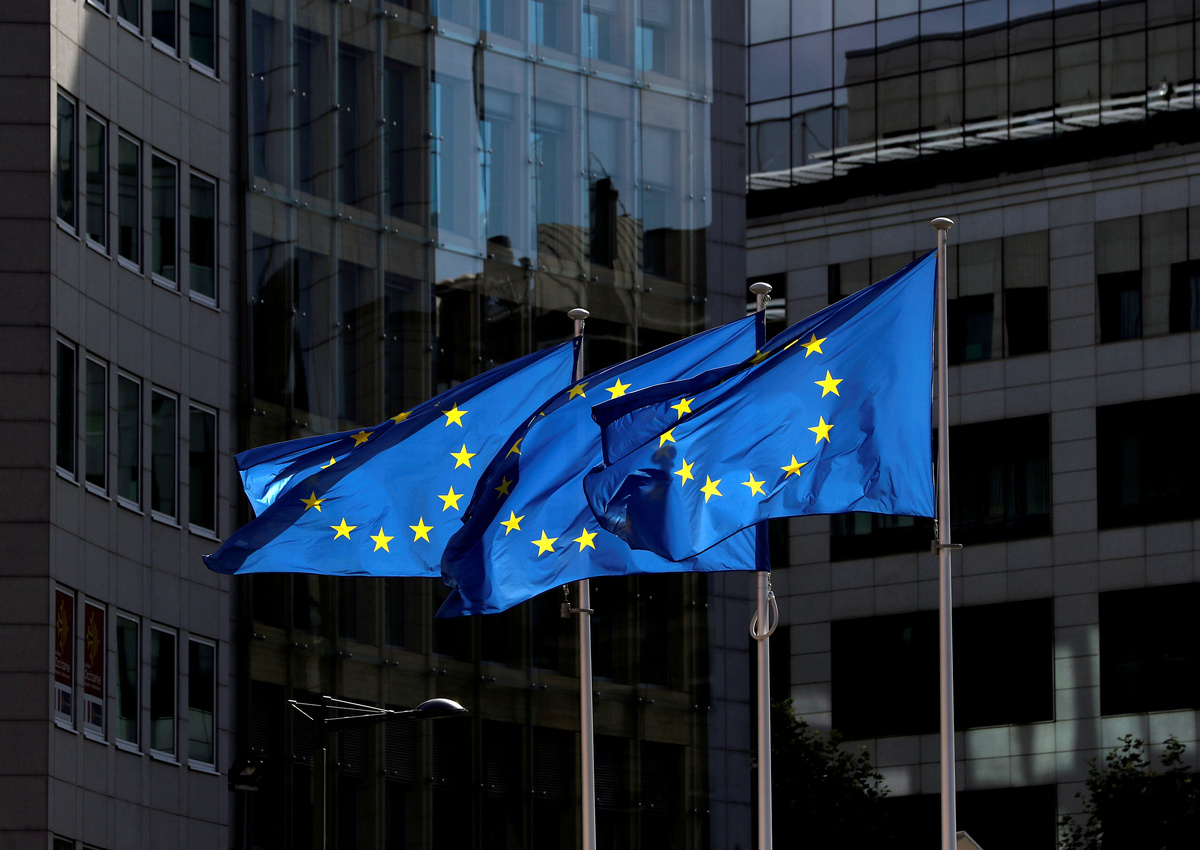
The European Commission on Wednesday said it would create an arsenal of data tools to anticipate and adapt to the increasing impacts of climate change.
As European Union countries attempt to eliminate their net greenhouse gas emissions by 2050, they will still face decades of climate-related impacts, locked in from previous years' emissions.
Last year was Europe's hottest on record, rounding out the world's hottest decade. As temperatures climb, the EU expects its economic losses from weather and climate stresses - already roughly 12 billion euros ($14.6 billion) per year - to spiral.
While developing nations bear much of the brunt of today's climate impacts, Europe is also under climate stress.
A European heatwave in 2019 caused 2,500 deaths, while farmers in western Europe face increasing droughts, and low river-water levels have halted shipping routes in recent hot summers.
The European Commission said it will launch an observatory of data and tools on climate and health - building on an existing programme that tracks forest fires, drought and floods - to anticipate threats like heat death or the spread of disease as global warming pushes vector-borne illnesses into new regions.
"If we step up work on adaptation today, we can make the EU and the planet much better prepared for the unavoidable changes we will face tomorrow," EU climate policy chief Frans Timmermans said.
Brussels also outlined plans to improve its climate risk modelling, aiming to do this on an asset-level basis, to anticipate the risks associated with an individual infrastructure project or building.
Improved EU models for climate stress testing will help governments assess how climate risks affect public finances, the Commission said, for example by anticipating the funding needed to rebuild after an extreme weather event.
The Commission said Europe is "lagging behind" on physical adaptation projects such as raising flood defences or adjusting sewerage systems to better cope with heavy rain, and pledged to incentivise them more.
Some EU countries are already adapting. In the flood-prone Netherlands, Rotterdam has more than 360,000 square metres of "green roof" space to catch rainwater, while other cities have planted mini forests to hold rainwater and cool the area during heatwaves.
(Reporting by Kate Abnett; Editing by Angus MacSwan and Jan Harvey)