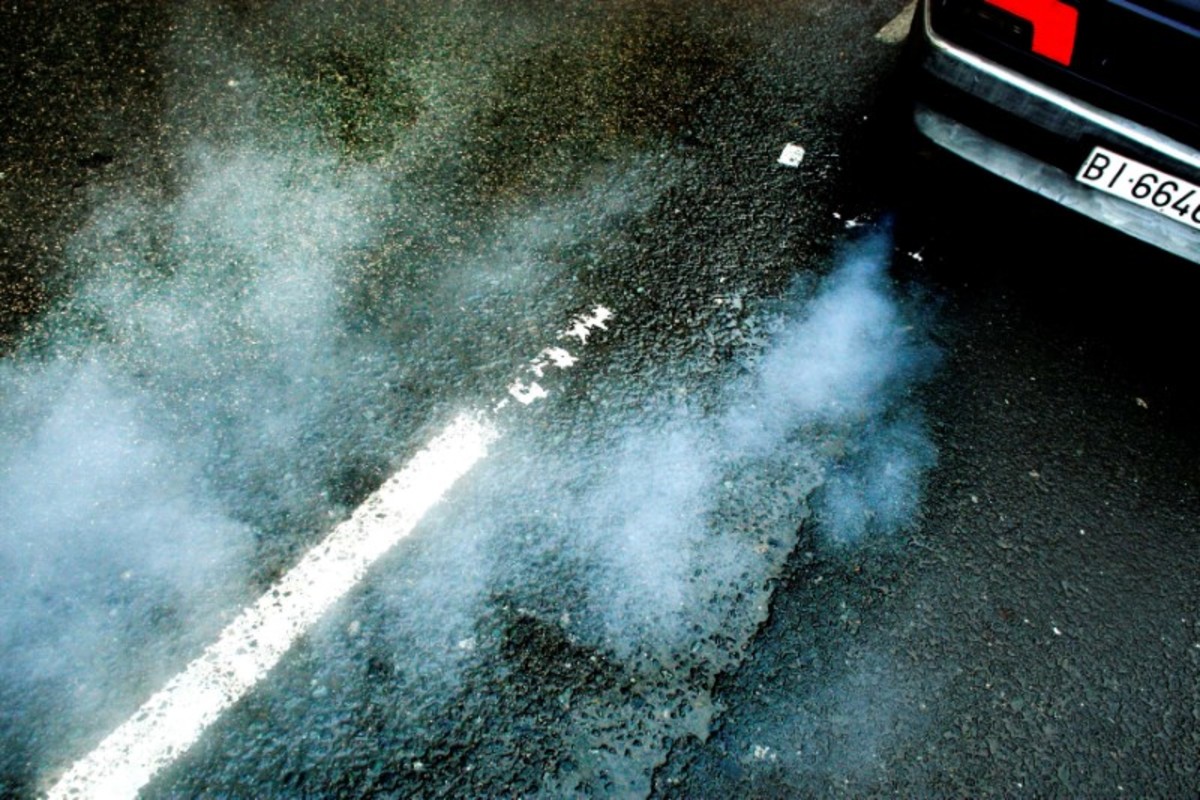
BRUSSELS (Reuters) - The European Union agreed on Monday to a goal of cutting carbon emissions from cars by 37.5 percent in a decade, finally settling differences between vehicle-producing countries and environmentally-conscious lawmakers.
The 28-nation bloc has been divided for months over how strict to be on CO2 emissions from vehicles as part of its push to reduce greenhouse gases overall by 40 percent by 2030.
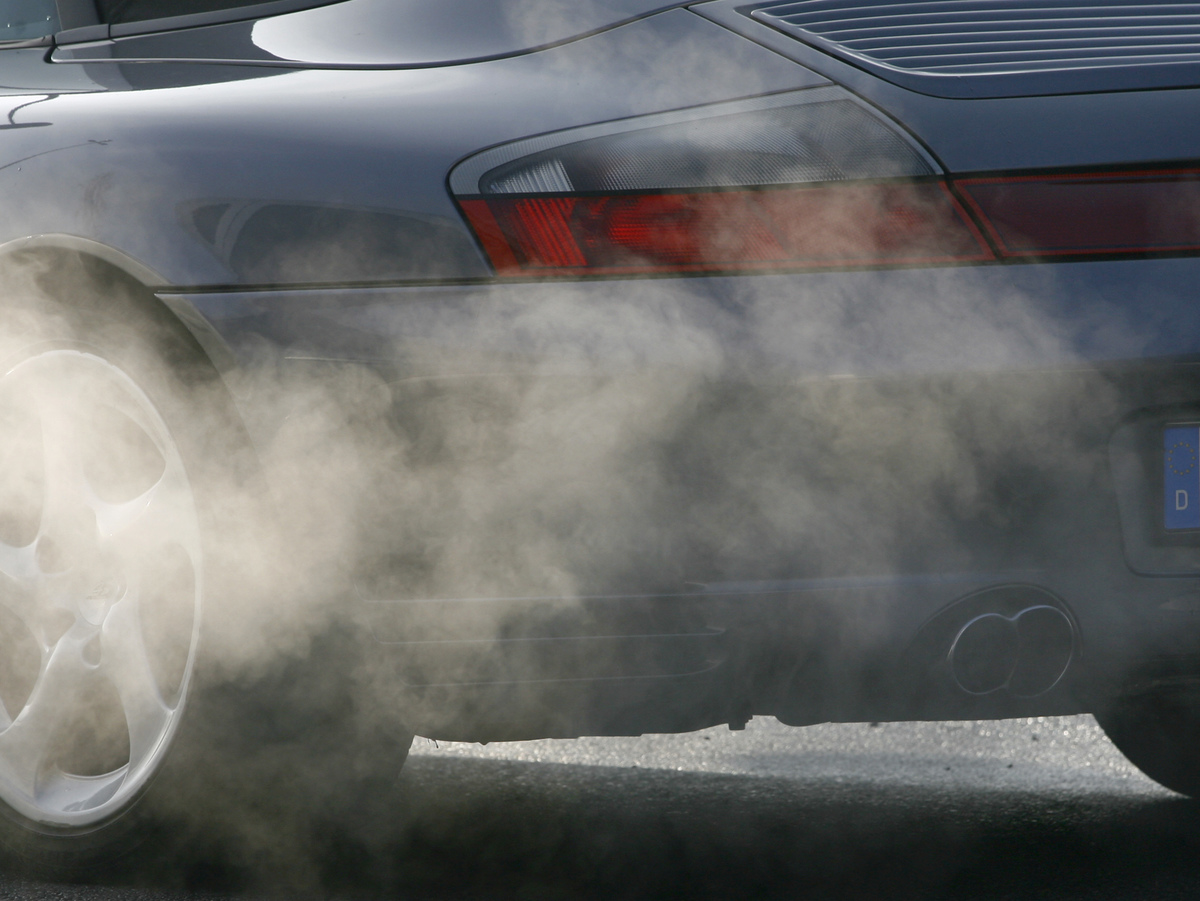
Germany, with the EU's biggest auto sector worth some 423 billion euros ($480 billion) in 2017, had warned tough targets and the drive towards more electric cars could harm its industry and cost jobs.
Representatives of the European Parliament and the EU countries finally struck a compromise on Monday, after nine hours of talks, to cut emissions from cars by 37.5 percent and vans by 31 percent by 2030 compared with 2021.
There was also agreement on an interim target of a 15 percent cut for both cars and vans by 2025.
"This is an important signal in our fight against climate change," said current EU president Austria's Sustainability Minister Elisabeth Koestinger.
But Brussels-based green lobbying group Transport & Environment expressed disappointment the deal was not even more ambitious.
"Europe is shifting up a gear in the race to produce zero emission cars. The new law means by 2030 around a third of new cars will be electric or hydrogen-powered," its clean vehicles director Greg Archer said. "That's progress, but it's not fast enough to hit our climate goals."
The compromise was tougher than the original EU executive proposal of an emissions decline of 30 percent compared to 2021.
Germany had endorsed that, but a push by several EU countries, including the Netherlands and France, raised the target for EU countries to 35 percent. The EU Parliament had wanted 40 percent, so in the end, they split the difference.
The German automobile association (VDA) said the new legislation would set high demands while doing little to promote or provide incentives for switching to electric vehicles.
EU countries were among nearly 200 that agreed on Saturday to rules for implementing the 2015 Paris climate accord at a U.N. conference in Poland.
"Today’s successful outcome is even more important in view of this weekend's conclusions... in Katowice. It clearly shows, once again, our unwavering commitment to the Paris Agreement," EU Climate Commissioner Arias Canete said.
EU countries are separately considering the extent to which truck emissions should be cut, with a debate due on Thursday.
(Reporting by Philip Blenkinsop; Editing by Foo Yun Chee and Andrew Cawthorne)