BRUSSELS (Reuters) - The European Union agreed on Tuesday to reduce emissions of carbon dioxide (CO2) from new trucks and buses by 30 percent by a 2030 deadline as part of its commitment to cut its output of greenhouse gases.
The European Parliament and the Council, which represents the 28 EU member countries, struck a compromise in the early hours that will reduce average CO2 emissions compared with 2019 levels, the European Commision said in a statement.
There is also an interim 15 percent reduction target for 2025 and incentives for manufacturers to make low and zero-emission trucks. The 2030 target is also subject to a review in 2022.
"For the first time binding CO2-reduction targets for trucks at the EU-level, including a clear stimulus for zero and low-emission trucks," Bas Eickhout, a Greens lawmaker who had negotiated on behalf of the European Parliament, said on Twitter.
The EU currently has no limits on emissions from heavy-duty vehicles, unlike the United States, China, Japan and Canada. Trucks account for almost one quarter of the bloc's transport-related emissions.
The EU agreed in December on targets for cutting emissions from cars and vans.
Curbs on the transport sector, the only one in which emissions are still rising, aim to help the bloc meet its overall goal of reducing greenhouse gases by at least 40 percent below 1990 levels by 2030 under the Paris climate accord.
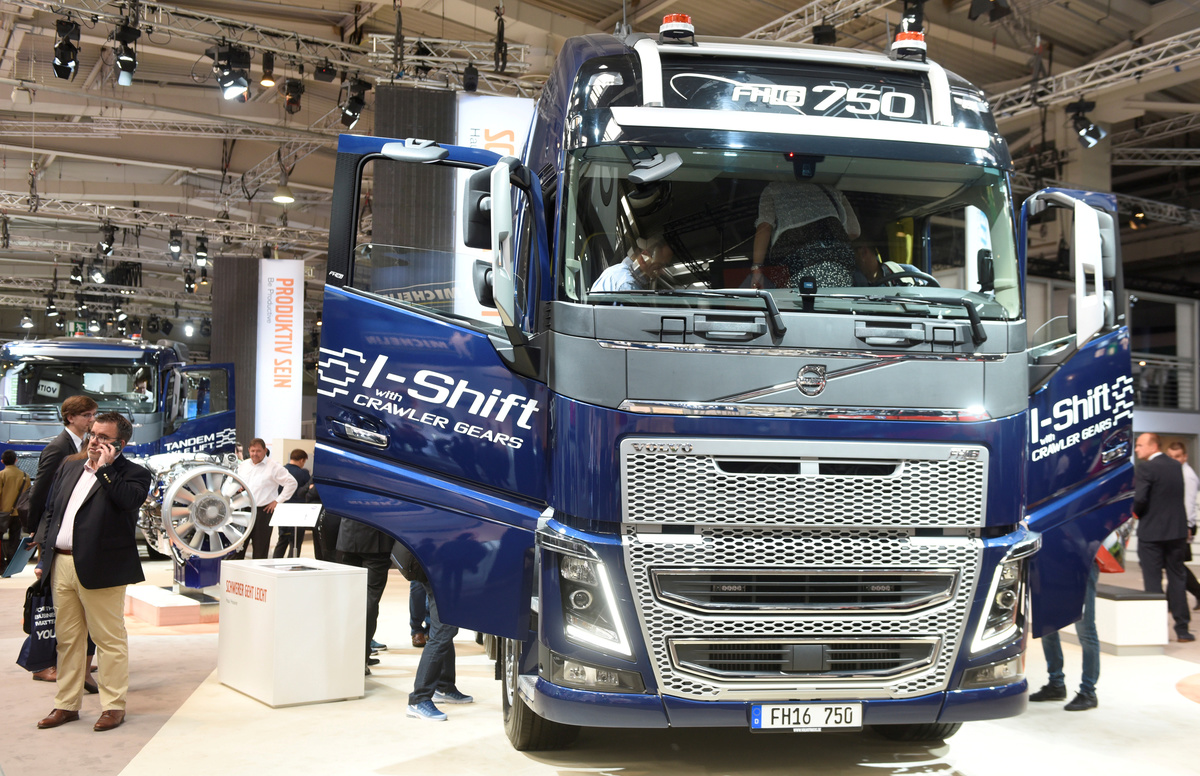
Germany is home to Europe's largest truck manufacturer, Daimler, as well as Volkswagen's MAN. Other producers in Europe include Volvo, Italy-based Iveco, Paccar and Scania, also part of Volkswagen.
Environmental campaigners say that trucks, while making up less than 5 percent of vehicles on the road, account for 22 percent of vehicle emissions.
The European Automobile Manufacturers' Association (ACEA) said EU countries must improve charging and refueling infrastructure, which was non-existent for electric and hydrogen trucks and "very low and patchy" for trucks powered by natural gas.
It believes the potential for electrification is far lower than for cars, particularly for long-haul transit, and questions whether transport operators will really want to buy zero-emission trucks.
The provisional deal reached on Tuesday will need support from the Council and be subject to a vote in parliament.
(Reporting by Philip Blenkinsop; editing by Ed Osmond/Keith Weir)