They are one of the world's most persecuted and unwanted minorities, says the UN – the Roma of east Asia. Now the Rohingya face a wave of hatred from Burmese bloggers who brand them "dogs, thieves, terrorists" and "black monsters".
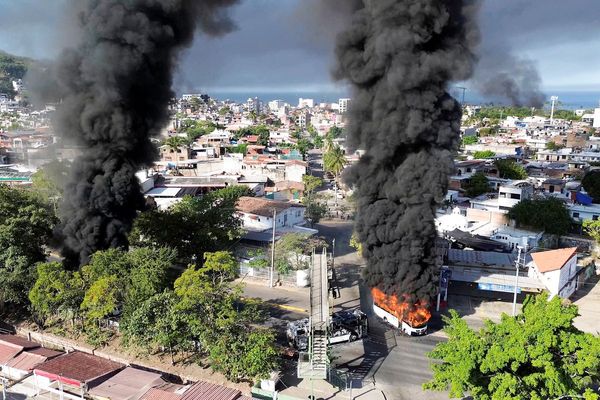
Recent clashes between the Muslim Rohingya and Rakhine Buddhists in western Burma officially left 80 dead and 54 injured, but NGOs fear the true toll is far higher. Some sources suspect Burmese security forces joined Buddhist mobs in their attacks on Muslims. The UN World Food Programme has distributed emergency aid to 60,000 people, and says 90,000 need help.
Even the identity of the Rohingya has been challenged by Burmese historians, who say they were unknown before the 1950s. The facts are that they resemble Bangladeshis and speak a language similar to the Bengali dialect of Chittagong in Bangladesh. They are thought to be mixed descendants of the Arabs, Mughals, Turks, Moors and Persians who overran south-east Asia at various times. Burma simply treats them as illegal immigrants, denying them citizenship. There are reckoned to be about 80,000 in Rakhine state, especially close to the border with Bangladesh, where many found refuge from past repression, particularly in 1978 and 1991-92. Hundreds of thousands live in camps in Bangladesh.
Now Bangladeshi border police are turning them back. But even Burmese dissidents think the Rohingya should "go home", although they have been in Burma at least since British rule and have no other homeland. In 1982 a law classified them as stateless. Under the military junta they were prime targets of persecution, subjected to forced labour, their land confiscated.
The latest flashpoint was in early June after a Buddhist woman was raped and murdered. Rumour blamed the Rohingya, prompting Buddhists to lynch 10 Muslims on a bus and triggering a vicious circle of reprisals. Burma's president, Thein Sein, has imposed a state of emergency and curfew in the troubled areas. Censorship, set to be phased out on 1 June, was restored for news of inter-religious violence.
This article originally appeared in Le Monde