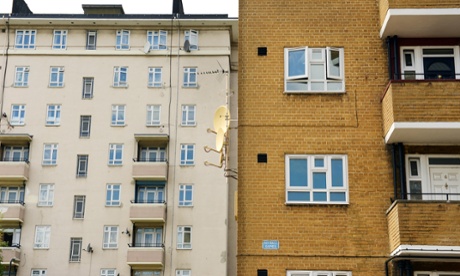
The regeneration of council-owned housing estates can stir fierce opposition and great concern. It would be very strange indeed if it did not. People living in homes they like, perhaps homes they have lived in for a long time, are unlikely to thrill to the prospect of being turfed out. Others may be less enamoured of their homes, which may be cramped, ugly, leaky, cold, crumbling before their eyes and the stigmatizing object of casual contempt. Yet their first instinct may be to resist the estate they live on being radically reconfigured or razed. Why? Because change might not be for the better. Because the promises of planners, developers and politicians aren’t always kept. Because the process can stop, start and drag on for many years. Because “regeneration” is too often a fancy word for pushing people around.
A strength of a new report on this minefield issue by the London Assembly’s housing committee is that it grasps the core importance of winning peoples’ co-operation, trust and consent if you have decided it would be for the best if they moved out of their homes so you can knock them down. This point may seem rudimentary - screamingly, holleringly, obviously so - but it’s remarkable how often the interests of those most directly and deeply affected by regeneration schemes are given low priority when high-up decisions are made or, importantly, feel they have been relegated to that level, even if the intentions of the decision-makers are good.
That said, as the report also shows, winning residents’ support for and engagement with major and often uncertain transformations of the buildings they live in is no piece of cake. For a start, opinions vary. Some will see regeneration only as a betrayal and a threat. Some will embrace it as a potential avenue out of housing circumstances they have long yearned to escape. The former group may attract support from housing activists and allege “social cleansing” to receptive journalists. The latter group will not. Other residents, a majority perhaps, will fall somewhere between the two or conclude (perhaps with justice) that it will probably never happen and just look the other way.
Then there’s the wider picture to consider. Estate residents might be the proper first priority for those who lead regeneration schemes, but they cannot be the only one. Opponents of estate demolition often argue for existing homes to be refurbished instead and attack schemes to replace them by higher-density mixtures of private and “affordable” homes, some of which may not be all that affordable. All well and good. But they should not quickly dismiss the predicaments of, in particular, the poorer Inner London boroughs faced with the budget-draining costs of maintaining system-built heaps slung up in 1975 and already falling down, with trying to meet changing and growing demands for affordable homes of every kind, and by a man called Eric Pickles approaching with an axe.
“The boroughs would be failing in their duty not to consider seriously opportunities to build new affordable housing by capitalising on the value of they land they own,” the report says. This may mean fewer homes for social rent on the same site than before, even though the total number of dwellings has increased. In his foreword, committee chair Darren Johnson writes that some 50 London estates containing around 30,000 homes have been regenerated in the past decade, resulting in twice as many dwellings filling the same amount of space but with a net loss of 8,000 social rented homes. Yet the deals which result in the sale of public land and its redevelopment for mainly private homes represent pragmatic trade-offs. The councils concerned will have had more money than before for looking after their other tenants or for building new homes elsewhere. And they’ll have need every penny they could get.
The housing committee report has been informed by learned contributions from councils, housing associations, planners and those responsible for nursing major regenerations towards outcomes mostly welcomed by the communities most affected. Also gracing it are testimonies from people who’ve experienced estate regenerations, complete with vagaries and traumas, at first hand. The pros and cons of every case will always be contested, but the report’s recommendations about decision-making, funding dilemmas and proper consultation point the way towards resolving some of the conflicts. You can read the whole lot by way of here.