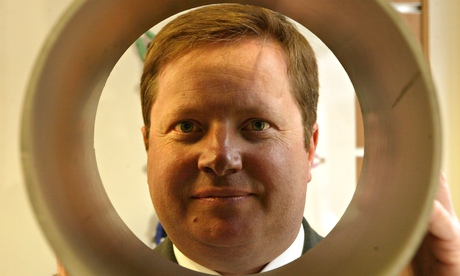
Estate agents, be warned: Sir Charles Dunstone thinks you’re a bunch of over-charging weasels and your downfall is nigh. The great man doesn’t put it like that, of course, but if the Carphone Warehouse and TalkTalk founder is putting a few quid into an online rival to traditional estate agents it’s wise to take note.
The business is called HouseSimple and the investment by Dunstone and longstanding colleague Roger Taylor is modest – about £5m. The point, though, is that the duo have deep pockets and will be prepared to spend more if the business continues to make progress.
Dunstone and Taylor are not the first to observe that an average commission rate of 1.8% for flogging a house seems a lot. The fee works out at £6,000, including VAT, on the average UK house price of £273,000. HouseSimple reckons it can do the job for about a tenth of the price and you’ll still get your property properly valued and advertised on Rightmove and Zoopla with decent pictures and have an agent to handle negotiation. You may have to show would-be buyers around your home, but some sellers prefer to do it themselves anyway.
Ah, traditional agents will say, the skill lies in the network of contacts, the ability to sift out timewasters and the experience in teasing out a few more grand on asking prices, blah blah.
That argument has always seemed a little flaky in the age of Rightmove et al. It’s just that nobody has had the clout or credibility to have a proper crack at disrupting the market. Dunstone might change that. He is backing a business that has been around since 2007 and has quietly sold or let almost £1bn worth of properties. Overlook him at your peril.
Bullish BHP
BHP Billiton is one of those companies that likes to boast that it hasn’t cut its dividend in simply ages, not since the Great Depression according to one version of the tale. This is not quite as striking as it sounds as today’s company is a relatively modern creation. The Aussies at BHP got hitched with the South Africans at Billiton in 2001.
But still: BHP was the big miner that didn’t wilt in the last commodity crash in 2008-09. Rio Tinto and Xstrata went cap in hand to shareholders for cash to repair broken balance sheets. BHP not only avoided a rights issue but protected its dividend. Can it do it again?
Yesterday’s operational update offered, as expected, evidence that it damn well intends to try. US shale, a badly timed adventure, will receive a capital expenditure shakedown. The number of rigs will fall from 26 to 16 this year. The “oiliest” field at Black Hawk in Texas will be a focus for investment but changes will follow “if we believe deferring development will create more value than near-term production”.
That’s what investors wanted to hear. All BHP’s “big four” products – iron ore, petroleum, copper and coal – have slumped in price over the past year and the first line of defence for a miner’s dividend is lower capital expenditure. At current spot prices, Goldman Sachs’s analyst reckons BHP needs to “find” $12bn over the next three years to maintain, or perhaps increase, a dividend that currently costs about $6.4bn a year. It sounds a tall order, but not impossible. Goldman reckons lower spending could fill the bulk of the shortfall. It thinks BHP has the freedom to spend $10bn a year rather than $13bn to weather the storm.
That would still leave the balance sheet to take some of the strain but that, in theory, is also doable. Credit rating agencies agree that BHP is conservatively funded.
This semi-bullish portrait would clearly be ruined if commodity prices take another lurch downwards and stay at sunken levels for a while. But, if you believe the dividend is safe, the current yield is 5.6%. If you’ve also got the stomach for the inevitable volatility in the share price (down by a third since last August), it is a reasonable long-term punt.
No rate hike
Back in November Mark Carney reckoned it was “more likely than not” that he would have to write a letter to the chancellor to explain why inflation had fallen below 1%. The Bank of England’s governor was right. Inflation, on the CPI measure, is now 0.5% and the letter will soon be in the post. Now, we learn from this month’s minutes of the meeting of the Bank’s monetary policy committee, it’s a “roughly even chance” that inflation will go below zero “at some point in the first half of 2015”.
Ian Weale and Ian McCafferty, the MPC hawks, have bowed to the inevitable and stopped voting for an increase in interest rates. We can probably go further. If the odds are even on a deflationary reading this year, it’s odds-on that the first rate hike will come in 2016.