Eradicating Pinzon Island's invasive rat population – in pictures
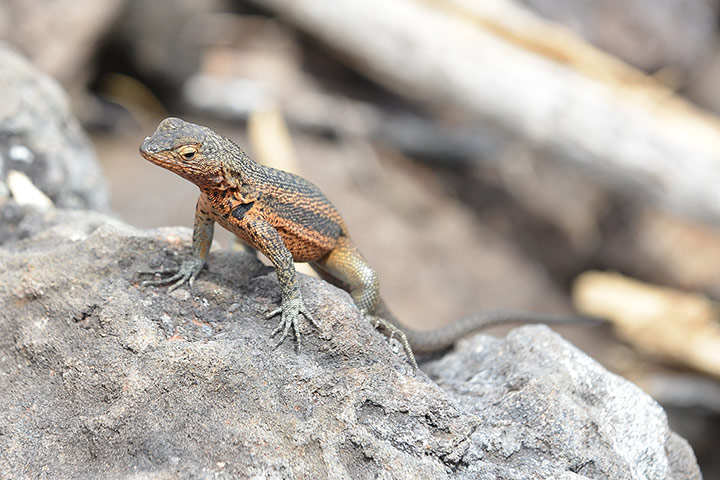
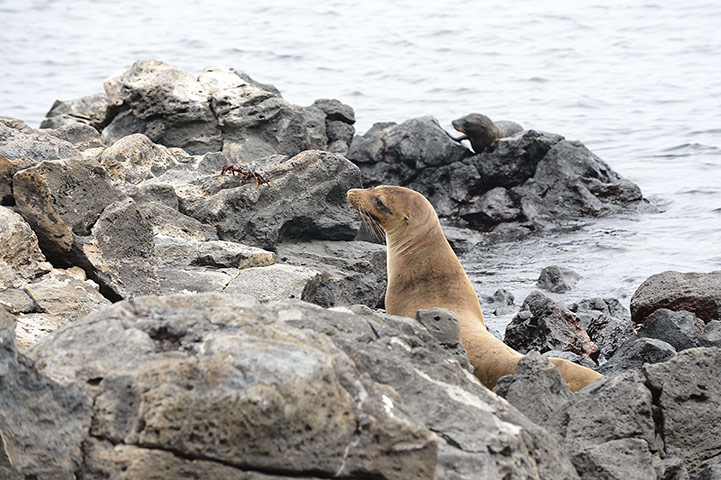
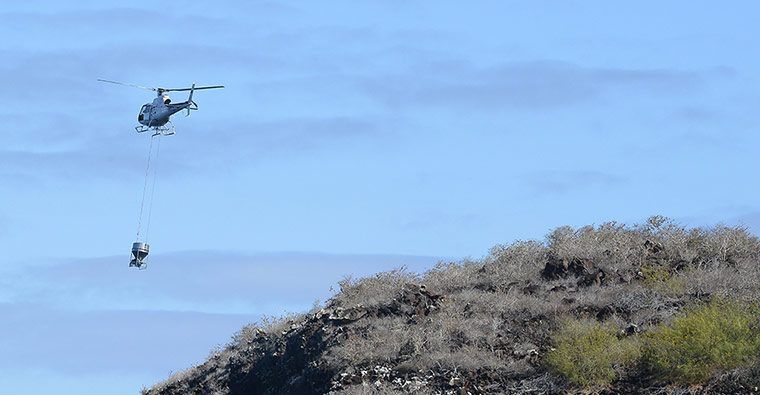
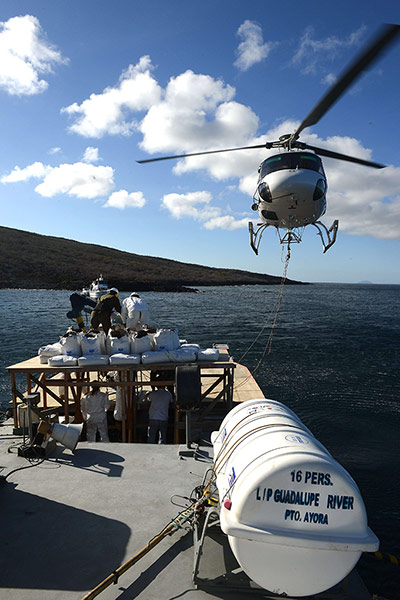
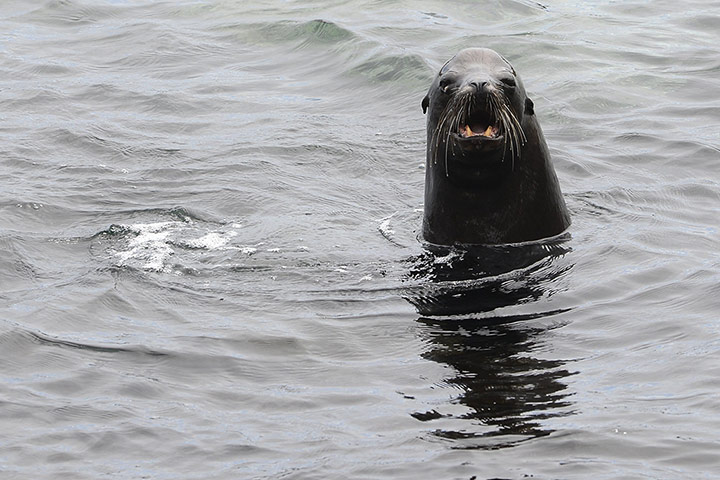
A lizard in Pinzon Island, Ecuador. Rats introduced by whalers and buccaneers beginning in the 17th century, feed on the eggs and hatchlings of the islands' native species, which include giant tortoises, lava lizards, snakes, hawks and iguanasPhotograph: Rodrigo Buendia/AFP/Getty ImagesA sealion on Pinzon Island. The Galápagos, 620 miles off Ecuador's coast, is an archipelago of 13 islands and more than 100 rocks and micro-islands Photograph: Rodrigo Buendia/AFP/Getty ImagesA helicopter is supplied with poisonous rat bait in the waters of Pinzon Island. Rat poison was dropped by helicopter all over the uninhabited islet of Isla Pinzon in an experiment designed to pave the way for mass rodent eradicationPhotograph: Dolores Ochoa/AP
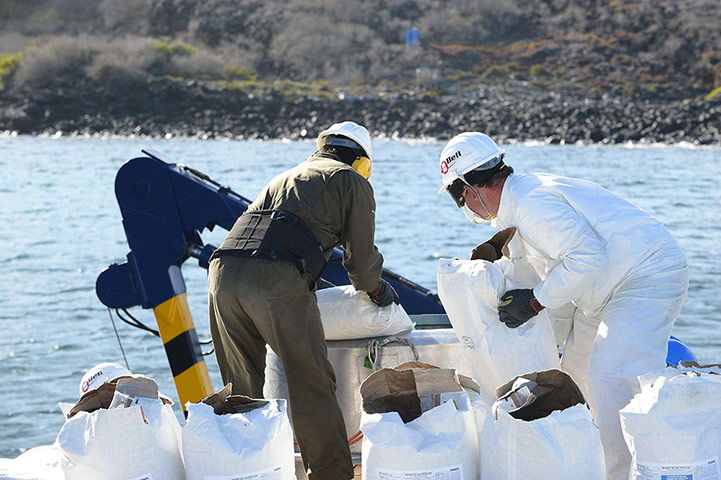
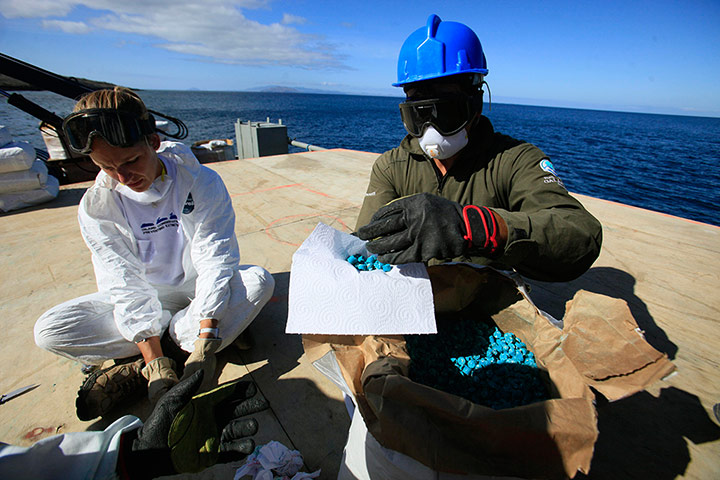
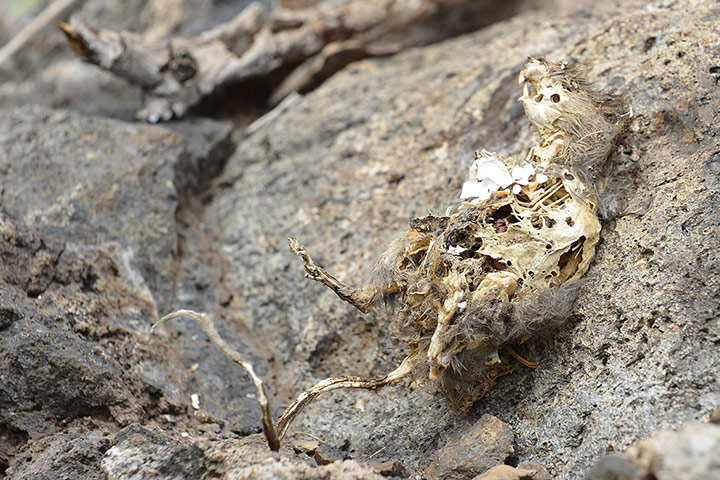
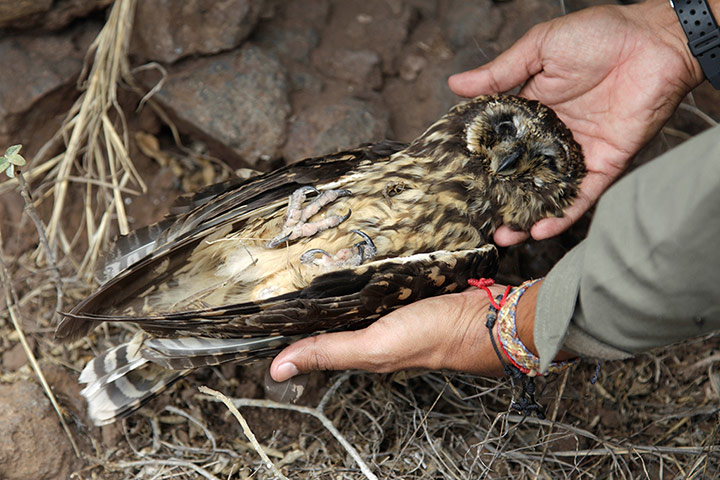
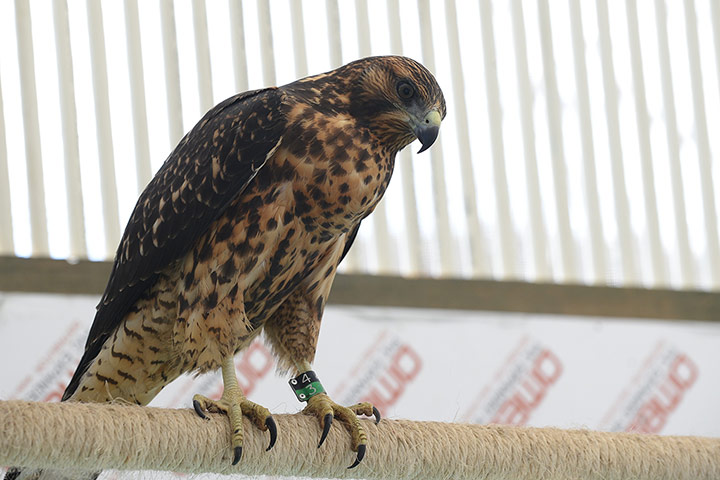
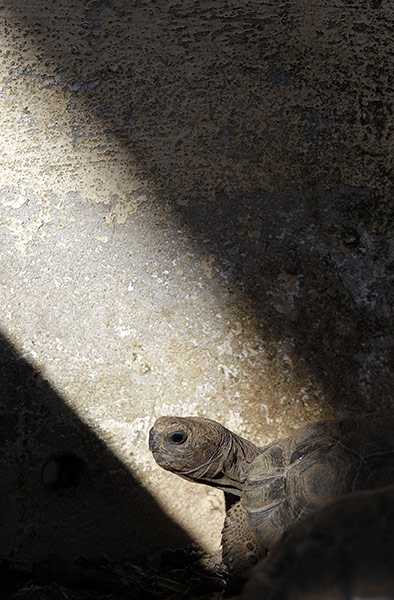
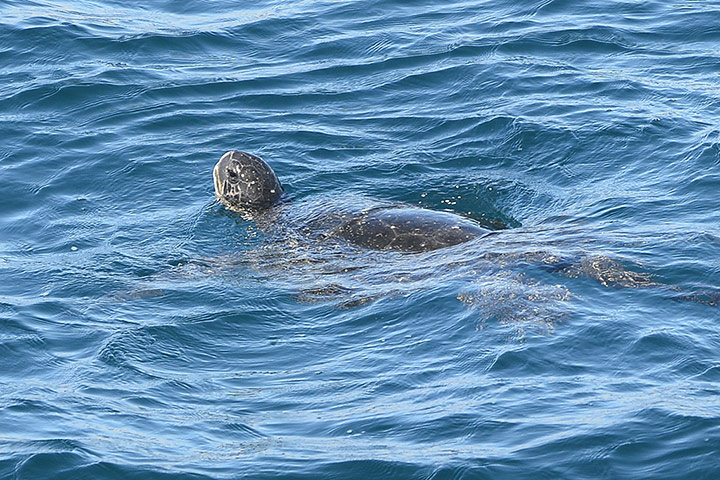
A helicopter releases rat poison over Pinzon Island. As part of the effort to preserve the fragile ecosystem, tonnes of rat poison pellets mixed with food and an anti-coagulant were spread over the islandPhotograph: Rodrigo Buendia/AFP/Getty ImagesA helicopter resupplies with rat poison from a boat. Hundreds of millions of the invasive Norway and black rats must be exterminated to restore the natural balance of the islandPhotograph: Rodrigo Buendia/AFP/Getty ImagesTechnicians handle sacks of rat poison off Pinzon Island. The unique species that make the Galápagos Islands a treasure for scientists and tourists must be preserved, Ecuadorean authorities sayPhotograph: Rodrigo Buendia/AFP/Getty ImagesStaff from the Galapagos national park and the University of Minnesota prepare poisonous bait to kill rats, in the waters near Galapagos Pinzon IslandPhotograph: Dolores Ochoa/APA dead rat on Pinzon IslandPhotograph: Rodrigo Buendia/AFP/Getty ImagesThere are drawbacks to using the rat poison approach, including the death of an owl believed to have been fatally poisoned from eating the baitPhotograph: Dolores Ochoa/APIn an effort to keep bird of prey safe from harm, about 60 hawks are being raised in cages on a slope of Pinzon IslandPhotograph: Rodrigo Buendia/AFP/Getty ImagesA young tortoise at the Fausto Llerena Breeding Centre of the Galápagos national park and the Charles Darwin research station, on Santa Cruz Island, Ecuador. Bred in captivity, the tortoise, part of a breeding and repatriation programme, will eventually be released into the wild. The programme was created in the 1960s in response to dramatic reductions in the tortoise population after the arrival of humans to the islands. The breeding center now hosts more than 1,000 tortoises from the islands of Santa Cruz, Santiago, Pinzon, and EspanolaPhotograph: Dolores Ochoa/APA sealion in the waters off Pinzon Island Photograph: Rodrigo Buendia/AFP/Getty ImagesA sea turtle swims in waters off Pinzon IslandPhotograph: Rodrigo Buendia/AFP/Getty Images
Sign up to read this article
Read news from 100’s of titles, curated specifically for you.








.png?w=600)