Jeffrey Epstein may have tried to kill himself in prison more times than previously known before he was found unresponsive in his jail cell while awaiting trial on sex trafficking charges in 2019.
The wealthy and well-connected sex offender tried to kill himself by hanging at least two other times before a previously reported failed attempt, according to a cellmate interviewed by The New York Times for a sprawling investigation into Epstein’s final days inside New York’s Metropolitan Correctional Center.
After a judge denied Epstein’s bail after roughly two weeks in custody, he reportedly asked his cellmate Nicholas Tartaglione, “How do you make a noose?”
Tartaglione said he had discovered Epstein preparing for suicide two other times, including trying to tie a sheet to a grate above a cell window and discovering a noose under his mattress.
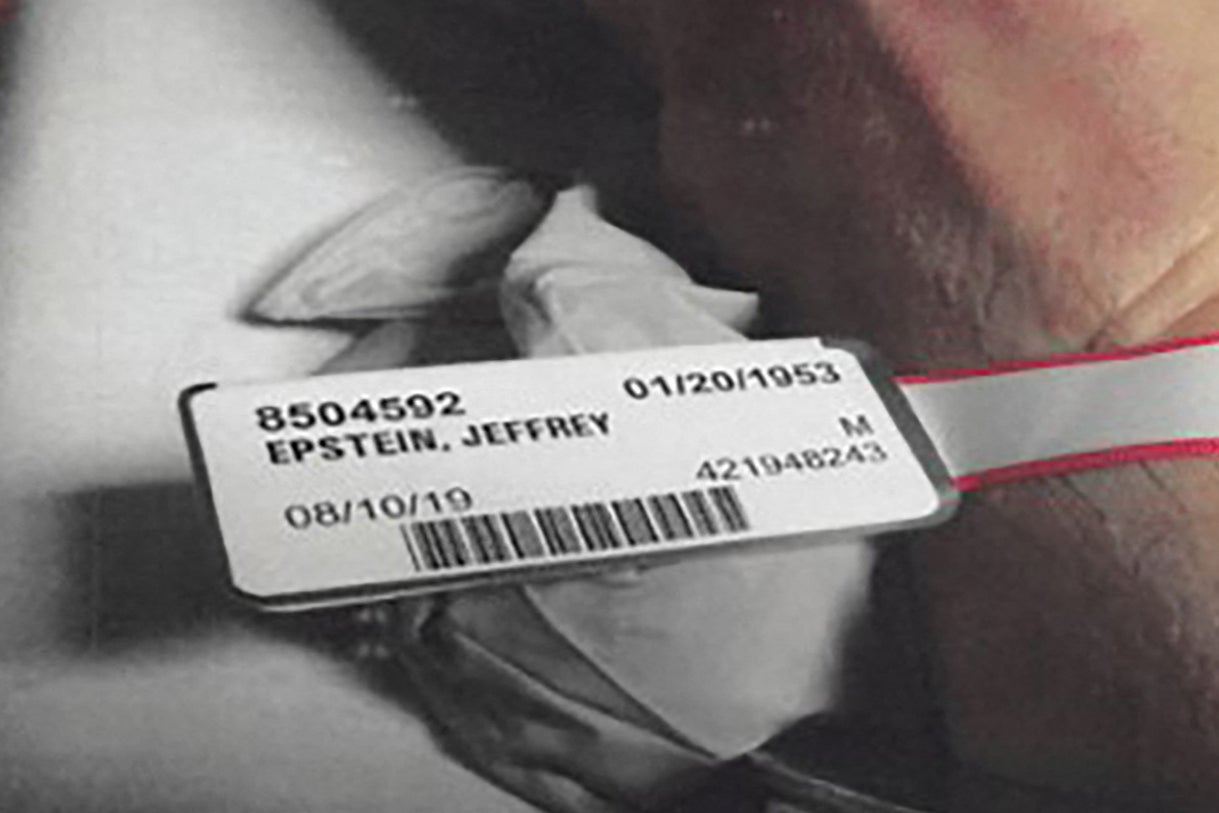
Four days after he was denied bail, on July 22, 2019, Epstein wrote “J’ACCUSE” on a sheet of paper. Hours later, at 1:27 a.m., prison guards heard the sound of loud banging coming from his cell, where they discovered Epstein lying motionless on the floor with orange fabric shaped into a noose hanging loosely around his neck.
He was found dead days later on August 10, leaving behind a previously reported note revealed in court documents reading, “They investigated me for month[s] — FOUND NOTHING!!!”
The note, scribbled on a piece of paper tucked between the pages of a graphic novel, was discovered by Tartaglione, who gave it to his lawyers. It remained sealed in court records until May.
“It is a treat to be able to choose one’s time to say goodbye,” the note reads. “Watcha want me to do — Bust out cryin!!”
He underlined the words “NO FUN” and added “NOT WORTH IT!!”
Epstein had also written other despairing notes inside the jail, including “ONLY PAIN TO ME & Others in the future” and wondering “Why should people I Lov suffer for my problem.”
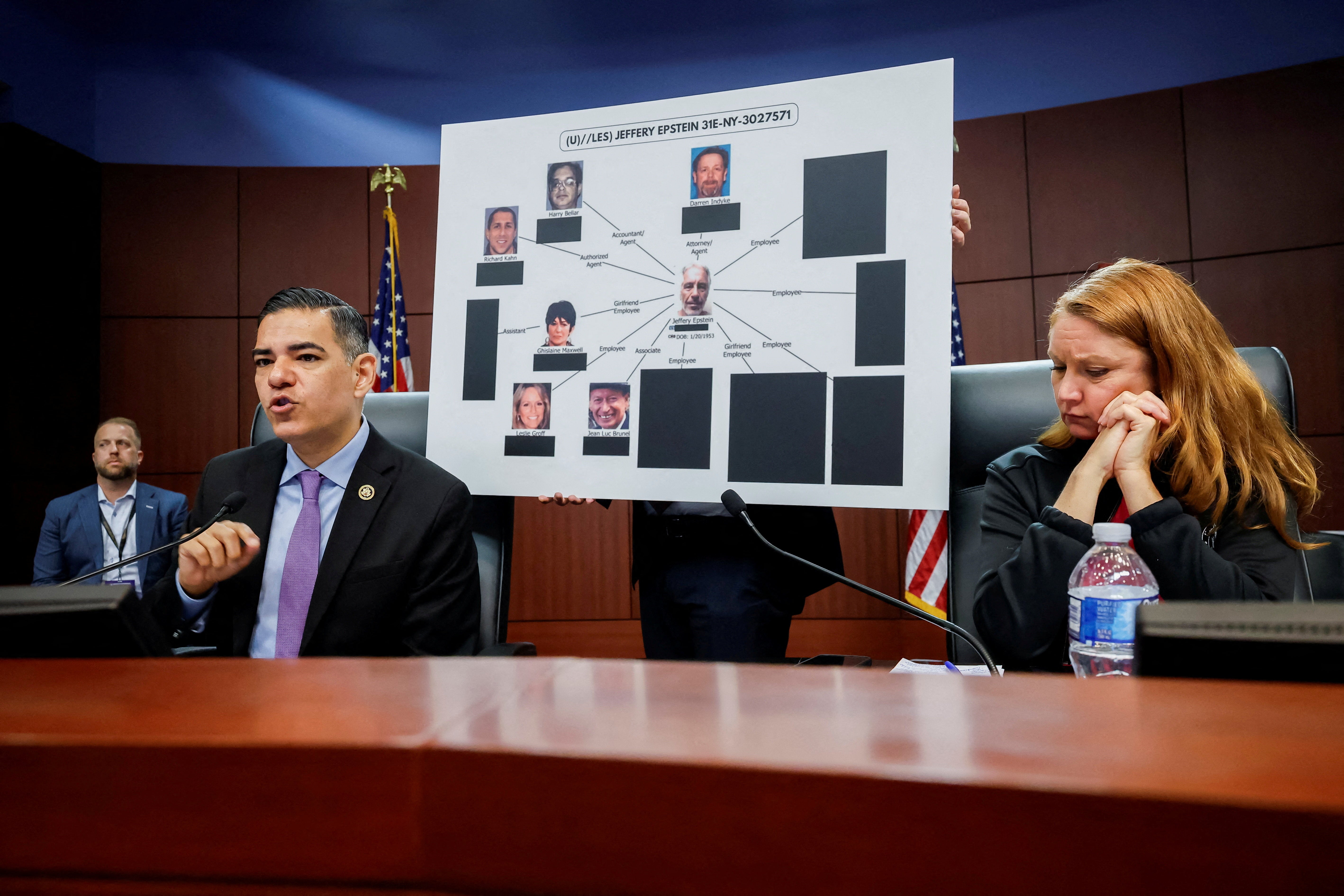
Nearly seven years after his body was discovered in his cell, the circumstances surrounding Epstein’s death and his alleged connections to a wider network of powerful pedophiles have consumed Congress and Donald Trump’s administration, which is eager to move on from federal investigations into Epstein and the political blowback surrounding the release of millions of documents connected to his cases.
But The Times investigation — which relies on court documents, previously released Epstein files and more than 50 new interviews with inmates, jail staff and others — raises critical and likely unanswerable questions about his thinking and pattern of behavior before he was found dead.
The Times determines that likely errors in the collection of evidence from his cell gave the impression that there were mysteries surrounding his death that were later explained by other evidence from the scene, while his writings and actions in jail appear to depict a fragile and unraveling mental state.
That evidence points less to a conspiracy against him and more likely the consequences of institutional failure that opened the door for Epstein to act on his suicidal ideation, The Times discovered.
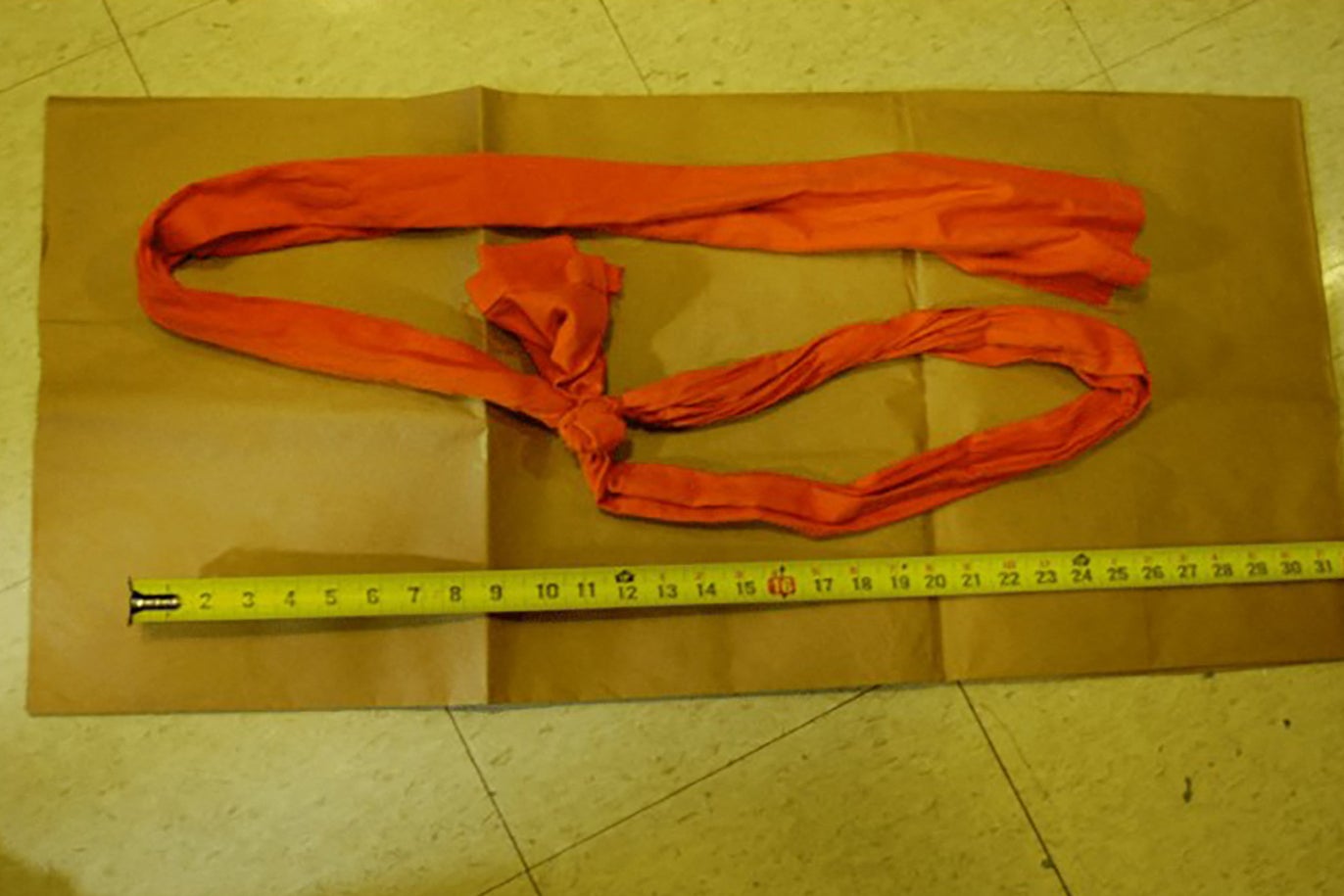
In his recollection of the July 22 incident, Tartaglione said he was sleeping with his mattress on the floor and wearing headphones when he felt a bump against his legs. Epstein, he said, was seated with his back against their bunk bed, with a noose around him.
Tartaglione, a former police officer convicted of leading a murder plot, then cut Epstein down with a razor and began chest compressions, he told The New York Times.
When guards arrived moments later, Epstein was still breathing but unresponsive. He was handcuffed and placed on a stretcher, then carried to an observation cell near the jail psychologist’s office, where he remained the rest of the night. Officers fitted him with a rip-proof, anti-suicide smock.
Epstein, however, gave several contradictory explanations about what happened. He claimed Tartaglione had tried to kill him, told a jail psychologist that he couldn’t remember how he got on the floor, then told a lawyer that the whole thing started as a “prank,” The Times reported.
Jail psychologist Elissa Miller later determined that Epstein was either suicidal and preparing for a final attempt to kill himself, or that Epstein and Tartaglione were potentially trying to either move out of their cell or change cellmates.
Miller had planned to remove Epstein from observation and return him to the Special Housing Unit on July 29; Epstein said he still could not remember what happened and suggested that his memory lapse was due to his sleep apnea. He was waiting for a CPAP machine.
When he returned to Special Housing on July 30, he was detained with Efrain Reyes, who said he had discovered Epstein fidgeting with a clothesline made out of a bedsheet.
“Bro, we not doing this,” Reyes said he told him, according to The Times. “Don’t try to kill yourself in this cell … I don’t want to wake up and find you dead.”
“Don’t worry,” Reyes recalled Epstein saying in response. “I’m never going to cause you trouble.”
Reyes later recalled Epstein telling him “I know I’m never going to see the street again” in the aftermath of a controversial plea agreement in Florida, where Epstein pleaded guilty to a lesser state offense of soliciting a minor under 18 for prostitution in 2008 in an agreement that allowed him to sidestep federal sex trafficking charges.
One day before Epstein’s death, on August 9, Reyes was transferred to jail in Queens that detains inmates who cooperate with other prosecutions. As he left Epstein, Reyes asked staff at the jail to “get him a good bunkie” and said “he’s not good to be alone,” he said.
That same day, a tranche of documents from a defamation case brought by Virginia Giuffre were made public, Epstein called his girlfriend Karyna Shuliak, and he returned to an empty cell.
His body was found in the early morning hours on August 10.
If you are based in the U.S., and you or someone you know needs mental health assistance right now, call or text 988 or visit 988lifeline.org to access online chat from the 988 Suicide and Crisis Lifeline. This is a free, confidential crisis hotline that is available to everyone 24 hours a day, seven days a week. If you are in another country, you can go to www.befrienders.org to find a helpline near you. In the UK, people having mental health crises can contact the Samaritans at 116 123 or jo@samaritans.org