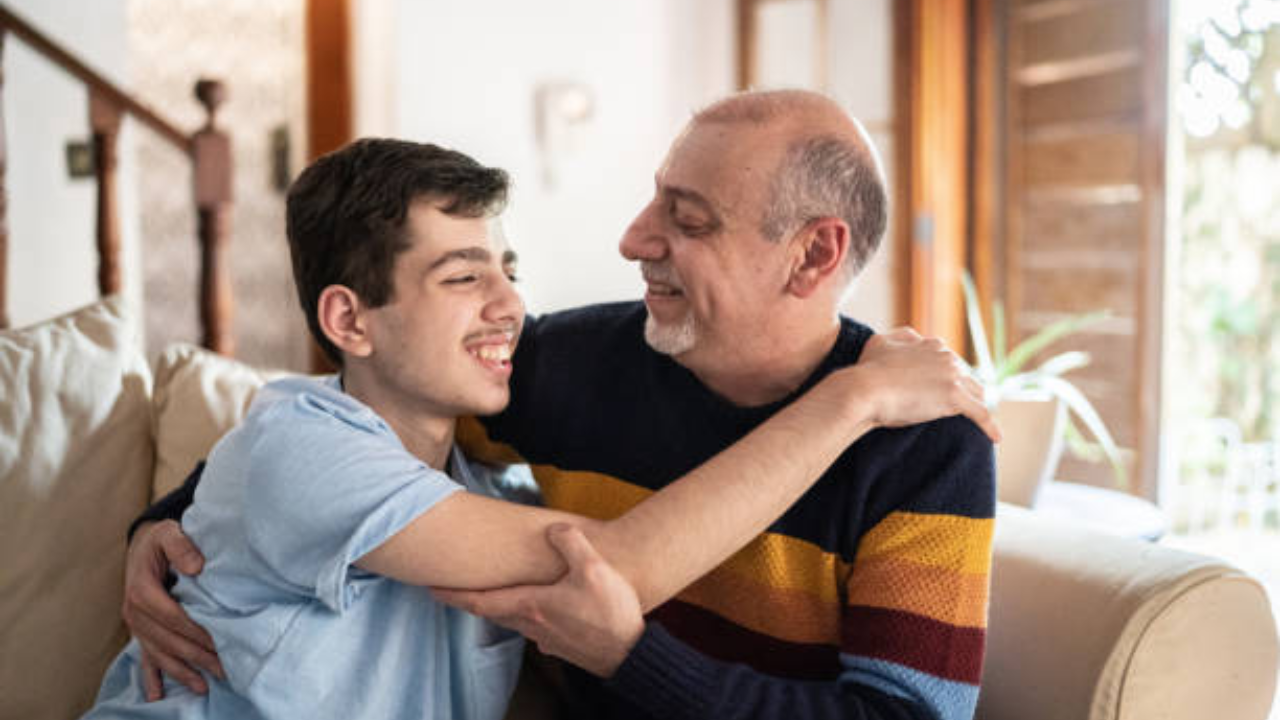
Epilepsy in children is a difficult journey for parents. The very natural reactions of fear, helplessness can be overwhelming. This is often worsened by the social stigma associated with epilepsy. The constant worry about the next seizure given it’s unpredictable nature, balancing treatments and hospital visits with normal life and handling the stigma is daunting task in best of hands. This is a ripe scenario for myths and misconceptions to abound.
The good news is that epilepsy is an imminently treatable condition. and with the right treatment, most children can lead healthy lives. Neurologists emphasize the importance of timely diagnosis and adherence to prescribed treatment plans.
She explains how Anti-seizure medications are often the first line of treatment, helping control seizures effectively in the majority of cases.
What are seizures?
An epileptic seizure is the outwardly appearance of abnormal electrical activity inside the brain. The look of seizures can be very diverse - ranging from subtle staring spells to whole body convulsions. Epilepsy is diagnosed when seizures occur repeatedly without an immediate provocating factor. The causes of epilepsy are many- typically either structural problems in the brain issues or genetic factors.
Treatment of epilepsy:
Medications:
Anti-seizure medications (ASMs) are the first line of treatment.
Over 60-70% of epilepsy cases are well-controlled with one or two medications.
ASMs control seizures but do not cure epilepsy.
The new ASMs are very well tolerated overall.
Epilepsy surgery:
Surgery can cure epilepsy in specific cases where seizures arise from a well-defined brain region.
Advanced brain tests help determine if a child is eligible for epilepsy surgery.
This is a safe and effective option for select cases.
Other treatments:
Ketogenic Diet: A medically supervised, high-fat, low-carbohydrate diet may help in difficult-to-control epilepsy.
Precision Medicine: Certain genetic epilepsies respond to specific medications or supplements.
Tips for parents
1. Medication adherence
Antiseizure medications must be taken daily and on time.
Missed doses can trigger seizures.
2. Dietary considerations
No general dietary restrictions are needed.
We should ensure a healthy diet – as part of a healthy lifestyle.
3. Vaccinations
Generally safe for children with epilepsy.
Discuss with the pediatrician to ensure appropriate immunization without complications.
4. Managing other illnesses
Fever or infections may increase seizure risk.
Maintain hydration, control fever, and follow the doctor’s guidance.
5. First aid during a seizure
Stay calm and ensure the child’s safety.
Clear the area of sharp objects.
Place the child on their left side to prevent choking.
Do not restrain the child or put anything in their mouth.
Time the seizure; seek emergency help if it lasts longer than five minutes.
Most importantly, it is critical to educate all adults who look after the child through the day in steps of seizure first aid.
6. Is epilepsy curable?
Curable epilepsy: Some genetic epilepsies resolve on their own- needs support with ASMs through the course of the disease.
Epilepsy surgery can cure select cases.
Well-managed epilepsy: Most cases can be controlled with medications and lifestyle adjustments.
7. Duration of medication
Treatment duration varies based on epilepsy type.
Some children may require medication for 3-4 years, while others may need it into adulthood.
Always consult a doctor before stopping medication.
8. Daily activities and safety
Most children with controlled epilepsy can attend school, play sports, and participate in extracurricular activities.
Some activities (e.g swimming, cooking, adventure sports) require extra precautions.
Discuss safety measures with your pediatric neurologist.
Conclusion:
It is truly possible to lead a fulfilling life with epilepsy.
Misinformation leads to unnecessary restrictions and stress. Correct information empowers parents and families. Being well-informed about epilepsy helps parents ensure their child’s safety and quality of life correctly. By understanding your child’s epilepsy, adhering to treatment plans and knowing how to respond to seizures in emergency-parents can confidently support their child.
Being part of an epilepsy community, attending epilepsy support activities and getting doubts clarified by pediatric neurologist go a long way in empowering families.
Dr. Pradnya Gadgil - Senior Consultant Pediatric Neurology Narayana Health SRCC Children's Hospital, Mumbai