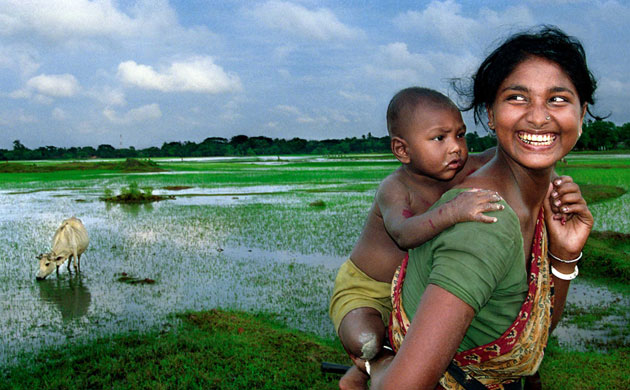
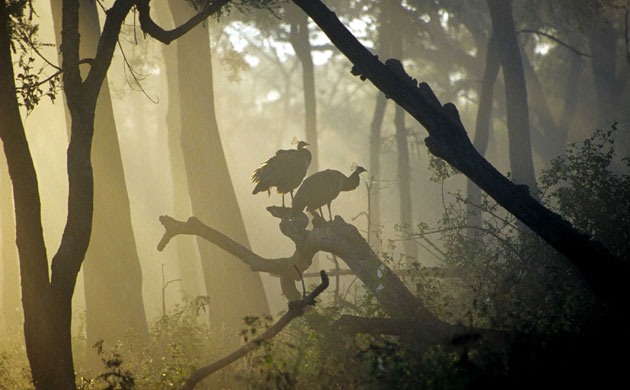
Environmental photographer of the year and quality of life winner: Happy in her own world, Abhijit Nandi, India. ‘The woman in my picture is returning home from the paddy field after a long day at work. She never thought a village woman could be the subject of a photograph, so when I told her I'd like to take a picture of her, she just laughed’Photograph: Abhijit Nandi/CIWEMNatural world, runner up: Green steps, Ly Hoang Long, Vietnam. Terraced paddy fields for rice require large quantities of water and have an adverse environmental impact because of the amount of methane gas growing rice generates. World methane production due to paddy fields is thought to be between 50m and 100m tonnes a yearPhotograph: Ly Hoang Long/CIWEMNatural world winner: Peafowl at dawn, Sandesh Kadur, India. The Peafowl is the national bird of India and lives throughout Pakistan and India, but is thought to be extinct from Bangladesh. The birds do most of their foraging in the early morning and shortly before sunset, retreating to the shade and security of the forest for the heat of the dayPhotograph: Sandesh Kadur/CIWEM
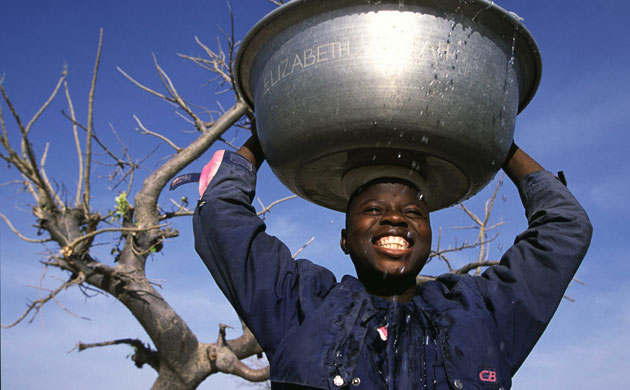
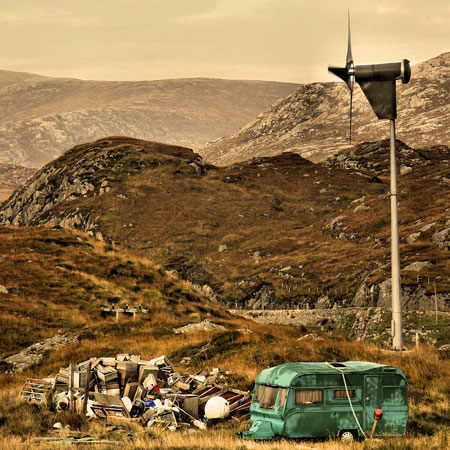
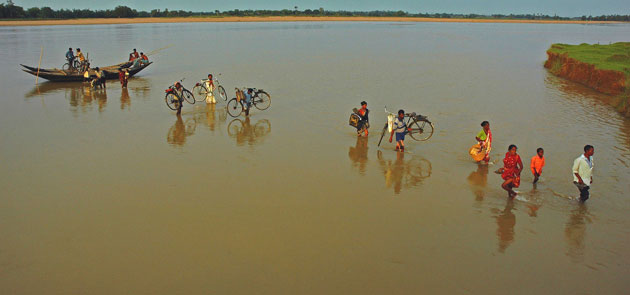
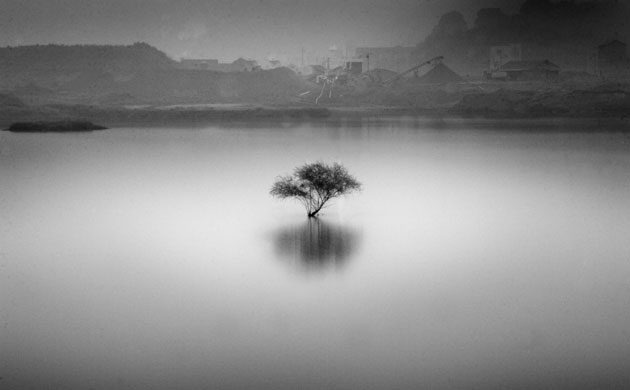
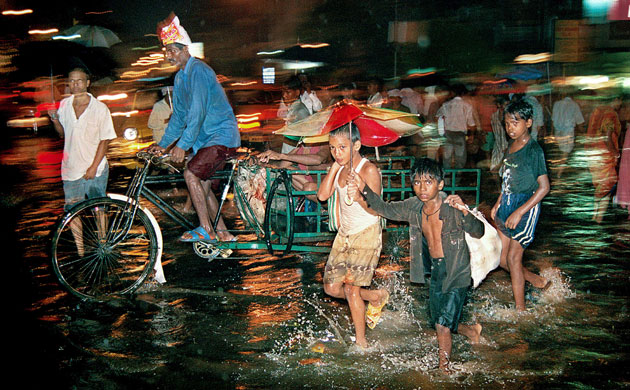
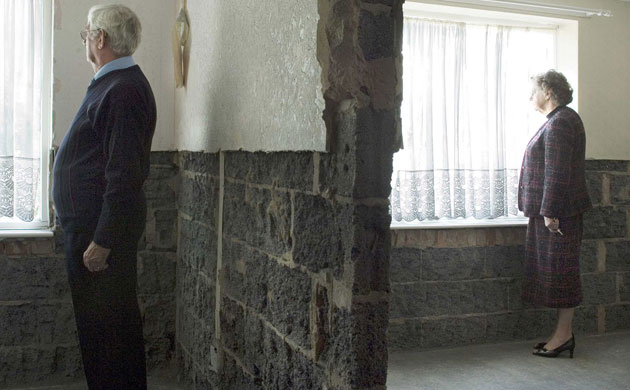
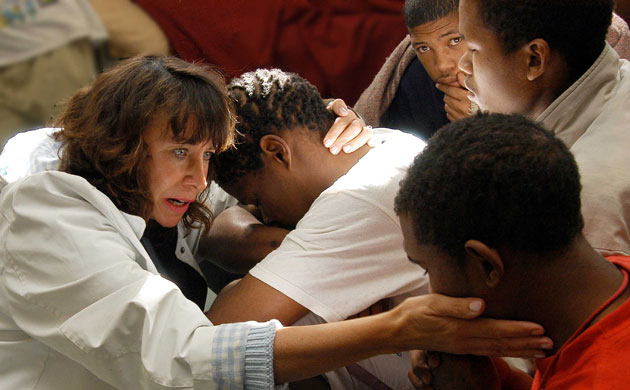
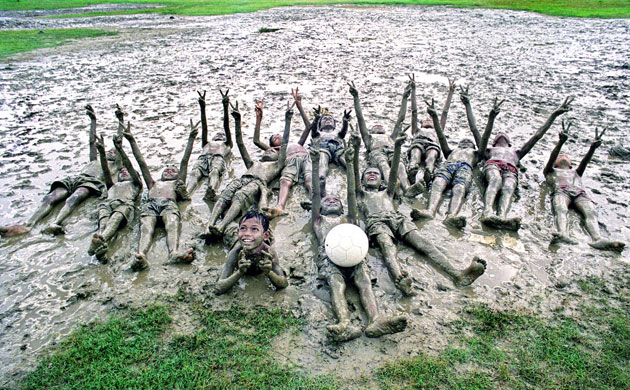
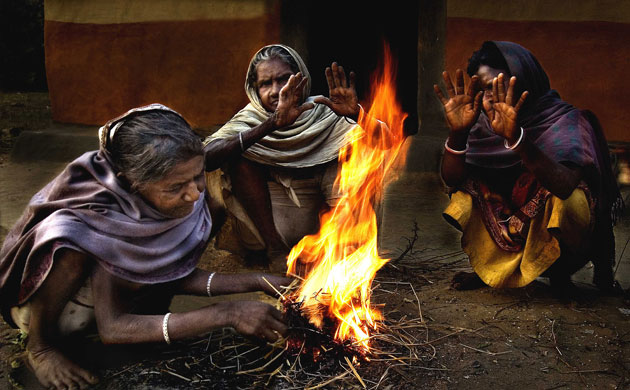
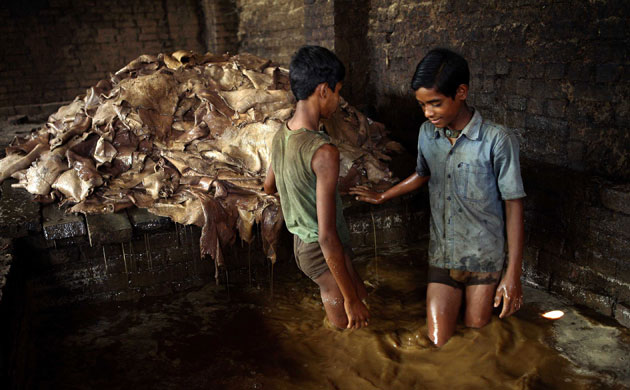
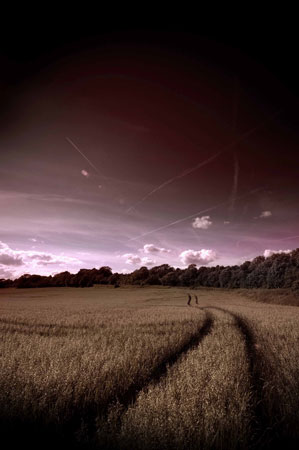
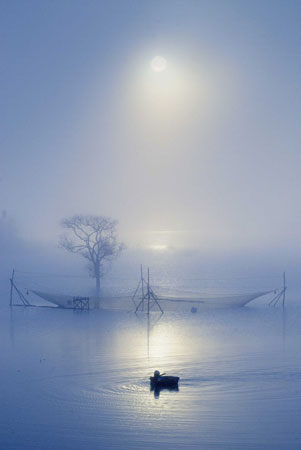
World of difference, runner up: Elizabeth, Jon Spaull. ‘This is of a woman in a village in northern Ghana who has just collected water from a well installed by the local community with the help of WaterAid. Before the well was put in she had to collect water from a stream, with all the inherent risks of sickness and disease’Photograph: Jon Spaull/CIWEMWorld of difference, winner: The wind collector, Donnie Mackay. ‘This says everything about individual expression in wild natural landscapes and is a good metaphor for small-scale electricity generation and waste collection in the Hebrides’Photograph: Donnie Mackay/CIWEMChanging climates, highly commended: Climate change affecting transport, Somenath Mukhopadhyay. Monsoon season, which lasts from June to September, brings vital rain for India's farmers but also massive destruction. Floods, mudslides, house collapses and lightning strikes have killed at least 225 people across the country in 2008 so farPhotograph: Somenath Mukhopadhyay/CIWEMChanging climates, highly commended: The last tree, Junjie Lou, China. In China, 90% of urban groundwater and 75% of rivers and lakes are polluted. As a result of widespread water pollution 700 million people drink contaminated water, while waterborne diseases have led to a rising number of premature deathsPhotograph: Junjie Lou/CIWEMChanging climates, runner up: Yet to go, Abhijit Nandi, India. These child workers in Kolkota, West Bengal, are in a hurry to catch the last train but the road to their station is flooded due to heavy rainPhotograph: Abhijit Nandi/CIWEMChanging climates, winner: After the floods, Katya Evdokimova, UK. More than 55,000 properties were flooded in England in the summer of 2007 and £3bn worth of assets damaged. More rainfall is expected in the future as a result of human-induced global warming, deforestation and over developmentPhotograph: Katya Evdokimova/CIWEM Quality of life, highly commended: Pollsmoor prison, Peter Davies. Essex charity worker Siobhan Mattimoe talking to young prisoners in the juvenile wing of the Pollsmoor prison in Cape Town, South AfricaPhotograph: Peter Davies/CIWEMQuality of life, highly commended: Winning team, Nimai Ghosh, India. A football team from West Bengal celebrate their victoryPhotograph: Nimai Ghosh/CIWEMQuality of life, highly commended: Warming, Saikat Mukherjee, India. 'December in the village of Purulia, West Bengal. The women live on the foot of Ayodhya Hill and with the approach of evening they made a fire to get warm'Photograph: Saikat Mukherjee/CIWEMQuality of life, runner up: An illegal tannery, Alex Masi. Two children use their legs to find the remaining skins in a bath of contaminated water during liming – the process of removing hair and impurities with the use of chemicals, especially chromium – in one of 160 illegal tanneries in Jajmau, India. Children are paid $1 a day to work, while those in nearby villages are starting to show symptoms of chromium contamination. Most of the leather is exported to EuropePhotograph: Alex Masi/CIWEMYoung environmental photographer of the year (under 21), highly commended: Elstead Road, Max Catterall, EnglandPhotograph: Max Catterall/CIWEMNatural world, highly commended: Misty morning, Ly Hoang Long, VietnamPhotograph: Ly Hoang Long/CIWEM
Sign up to read this article
Read news from 100’s of titles, curated specifically for you.