Get all your news in one place.
100’s of premium titles.
One app.
Start reading
Reuters
Reuters
Business
Alexandre Meneghini and Sarah Marsh

Enthused by Wi-Fi hotspots, Cubans clamor for more Internet access

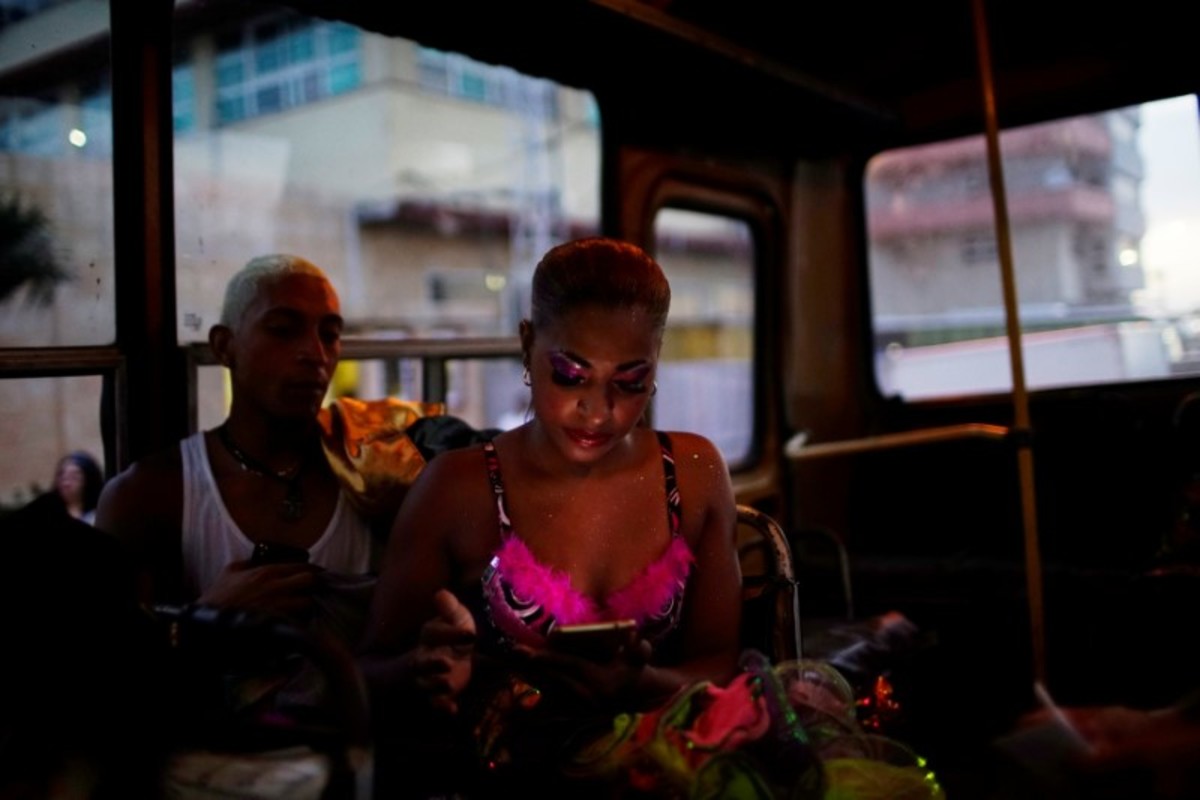
A dancer uses an internet hotspot from inside a bus before performing at the Carnival of Havana, Cuba, August 19, 2017. REUTERS/Alexandre Meneghini

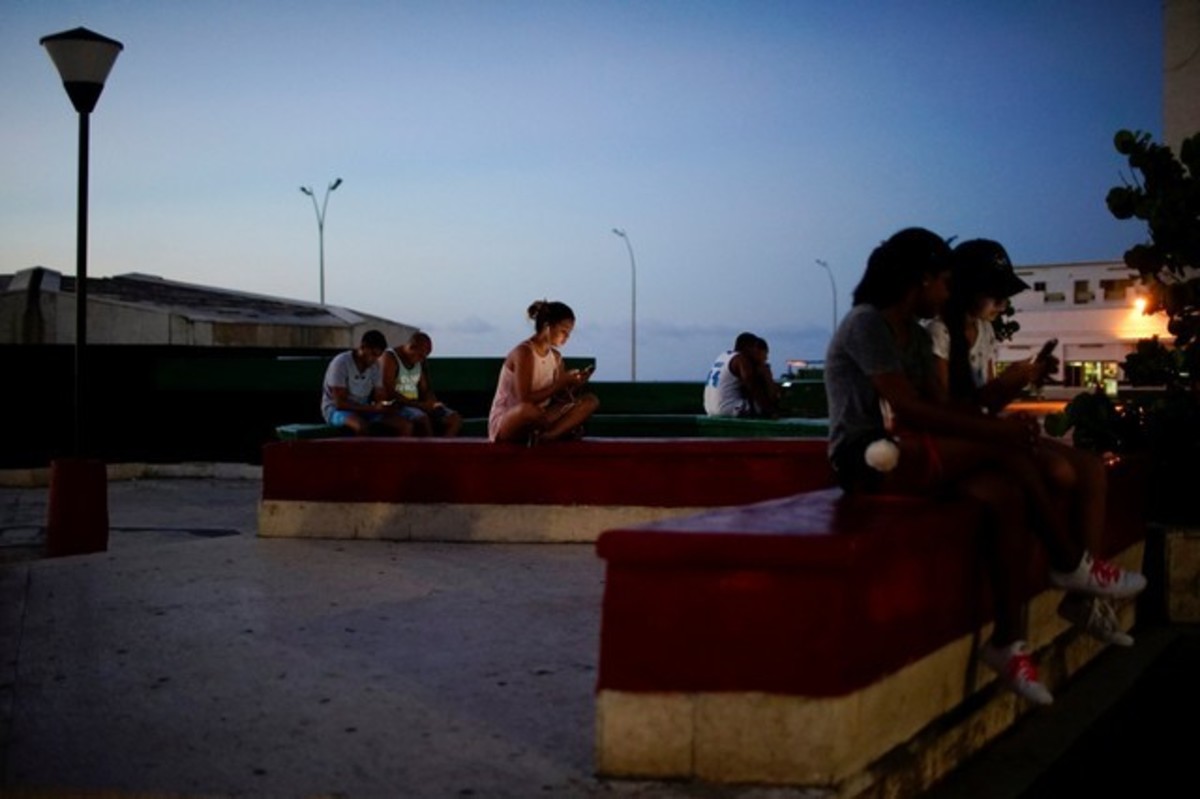
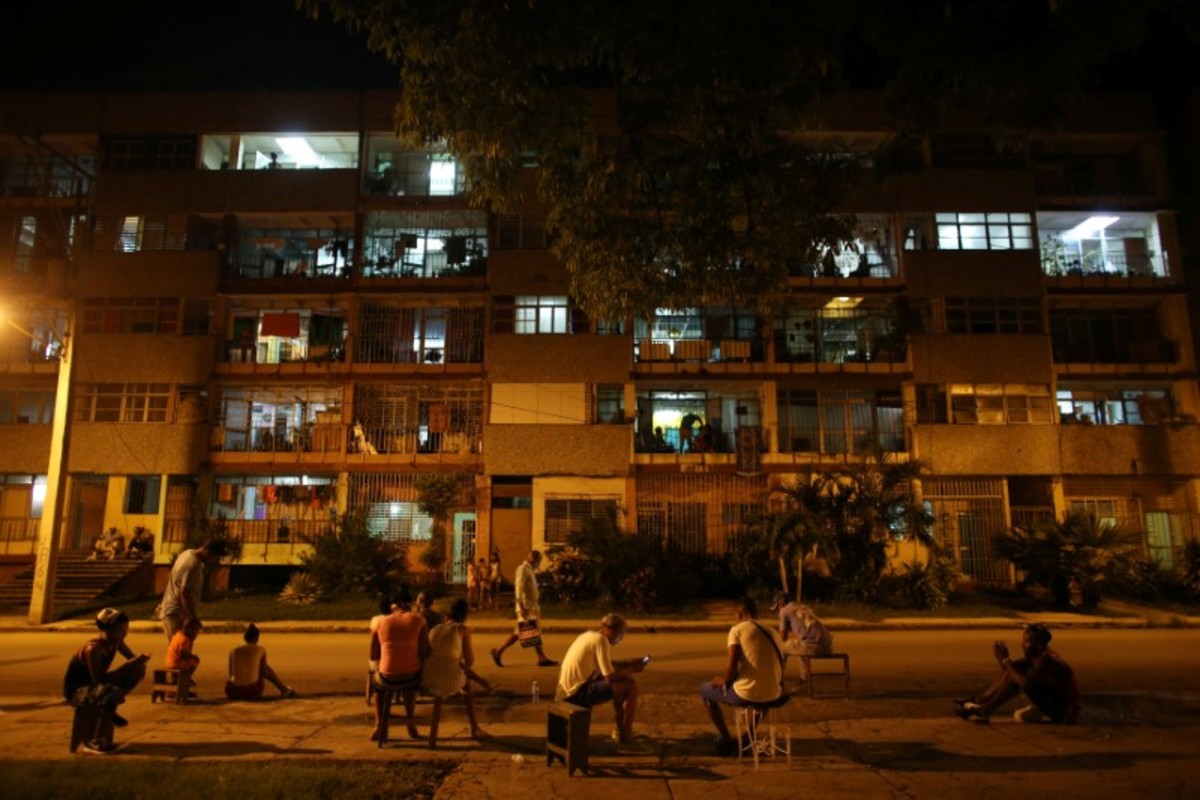
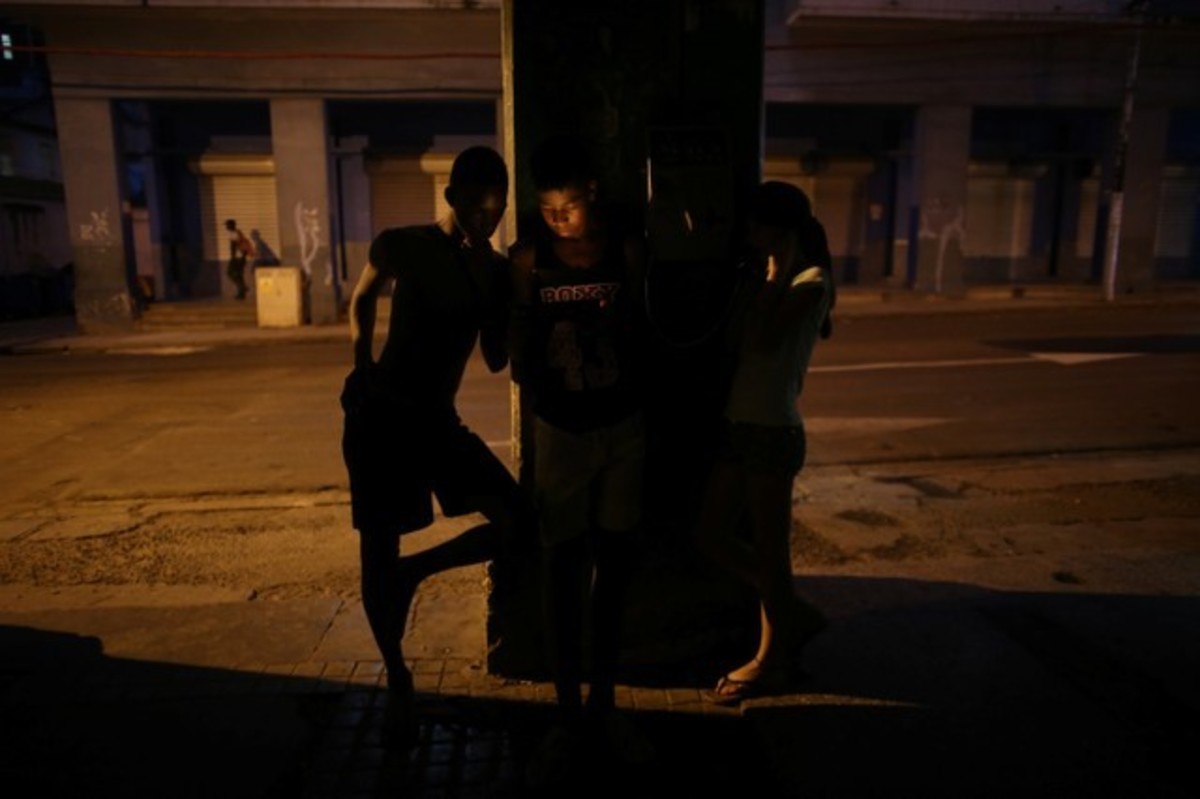
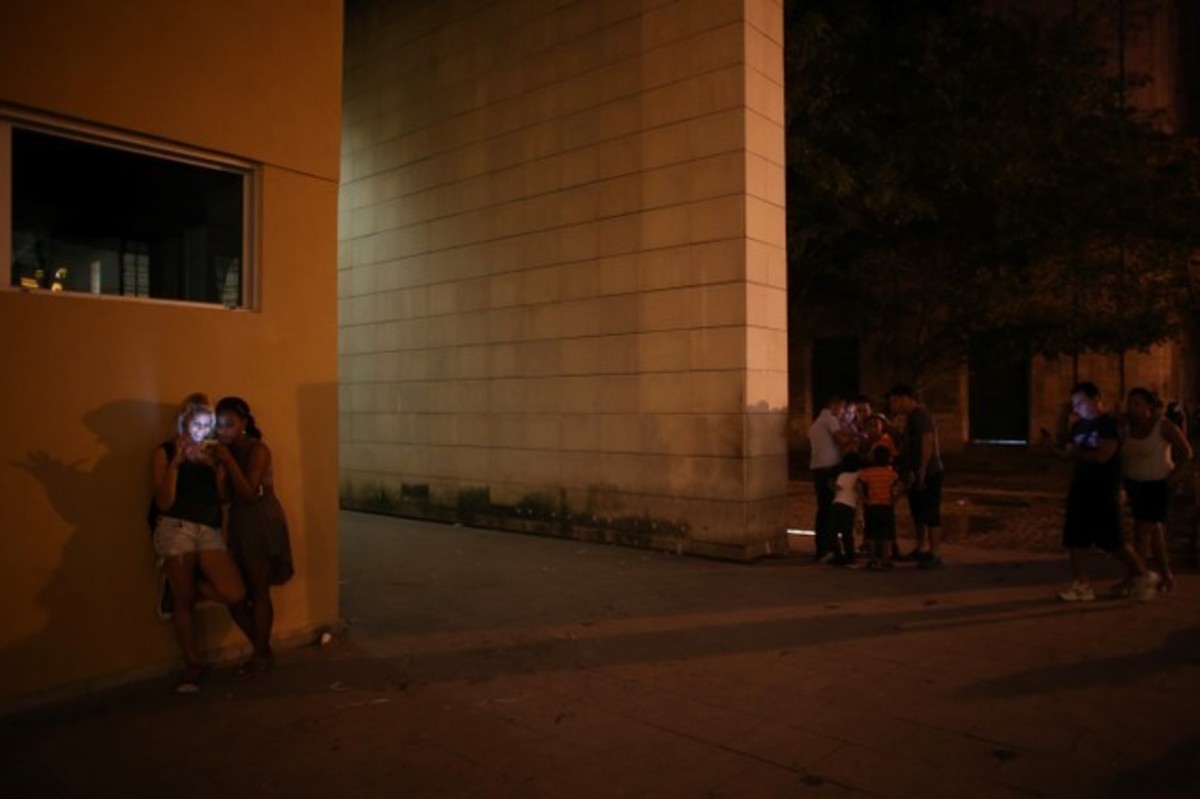
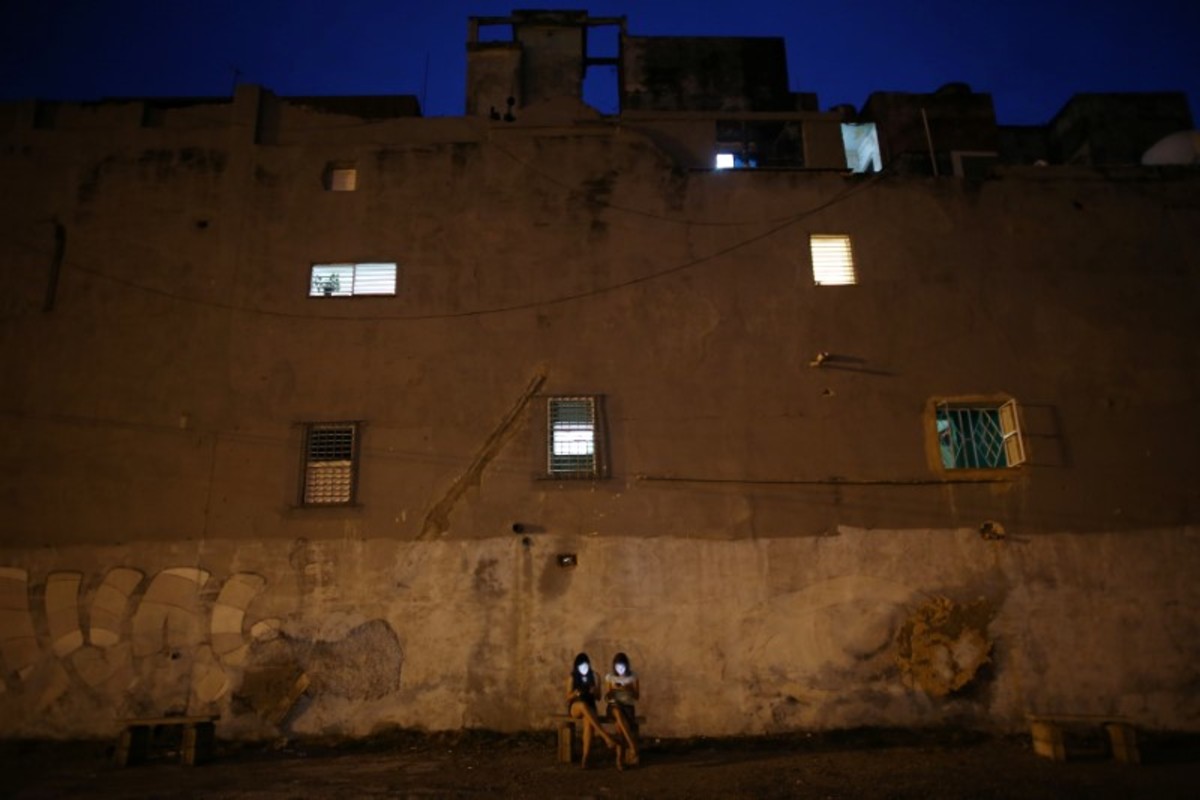
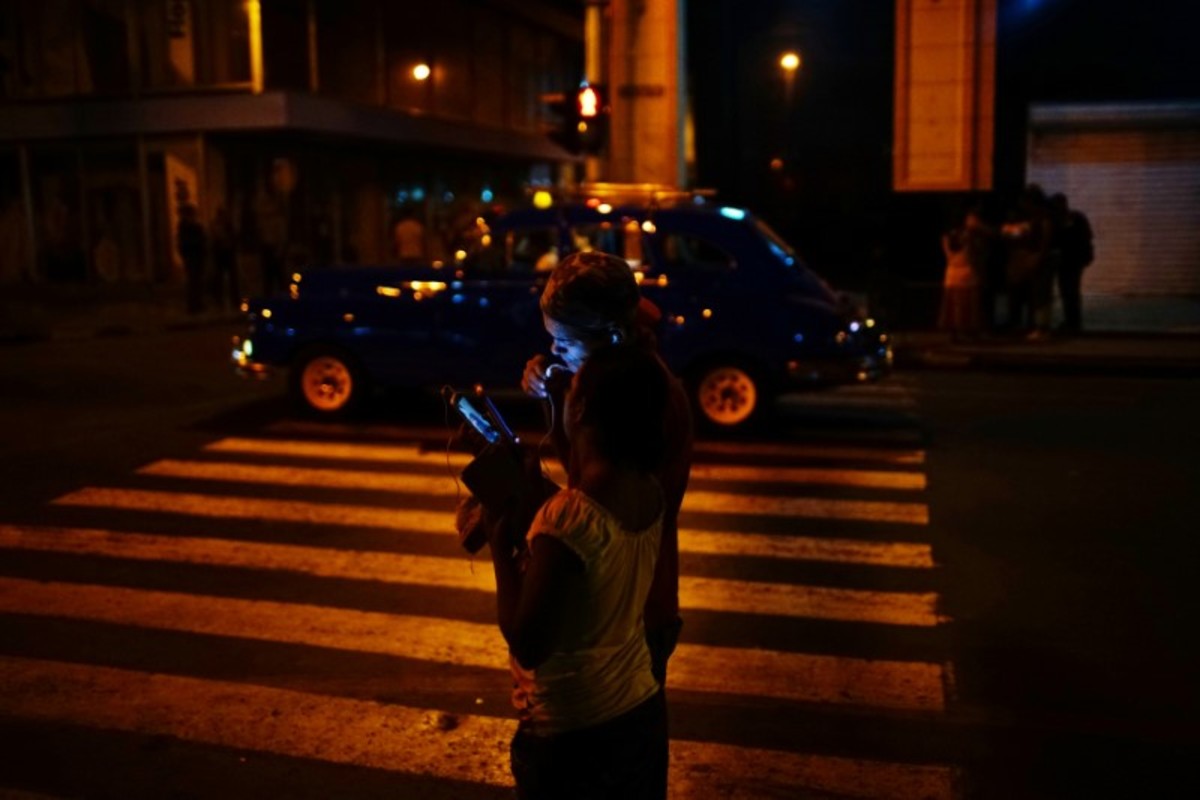
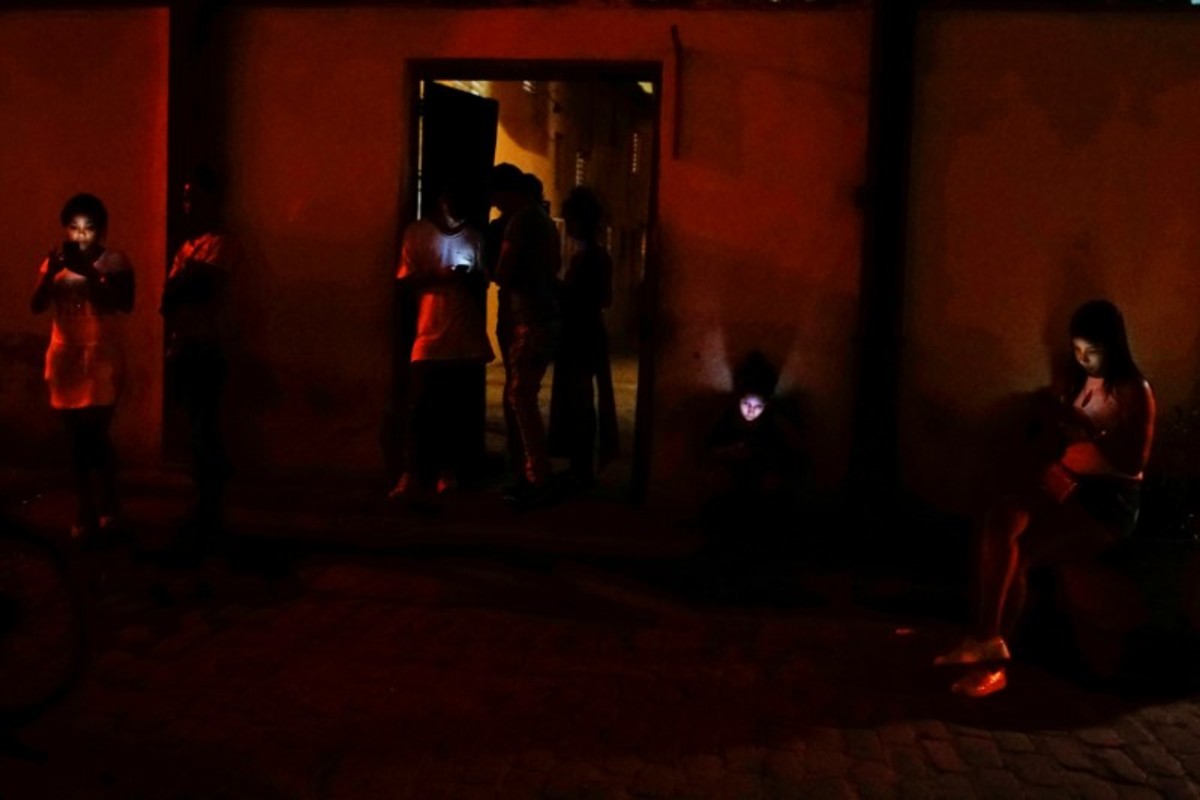
HAVANA (Reuters) - At dusk, when the worst of the Caribbean heat has subsided, parks around Cuba fill with families video chatting with loved ones abroad or scrolling through social media, their animated faces lit by telephone and tablet screens.

The introduction of Wi-Fi hotspots in Cuban public spaces two years ago has transformed the Communist-run island that had been mostly offline. Nearly half the population of 11 million connected at least once last year.

People make a video call inside a car at an internet hotspot in Havana, Cuba, August 5, 2017. The dome light is on to provide better lighting for the video call. REUTERS/Alexandre Meneghini

That has whet Cubans' appetite for better and cheaper access to the internet.

"A lot has changed," said Maribel Sosa, 54, after standing for an hour with her daughter at the corner of a park in Havana, video chatting with her family in the United States, laughing and gesticulating at her phone's screen.

She recalled how she used to queue all night to use a public telephone to speak with her brother for a few minutes after he emigrated to Florida in the 1980s.
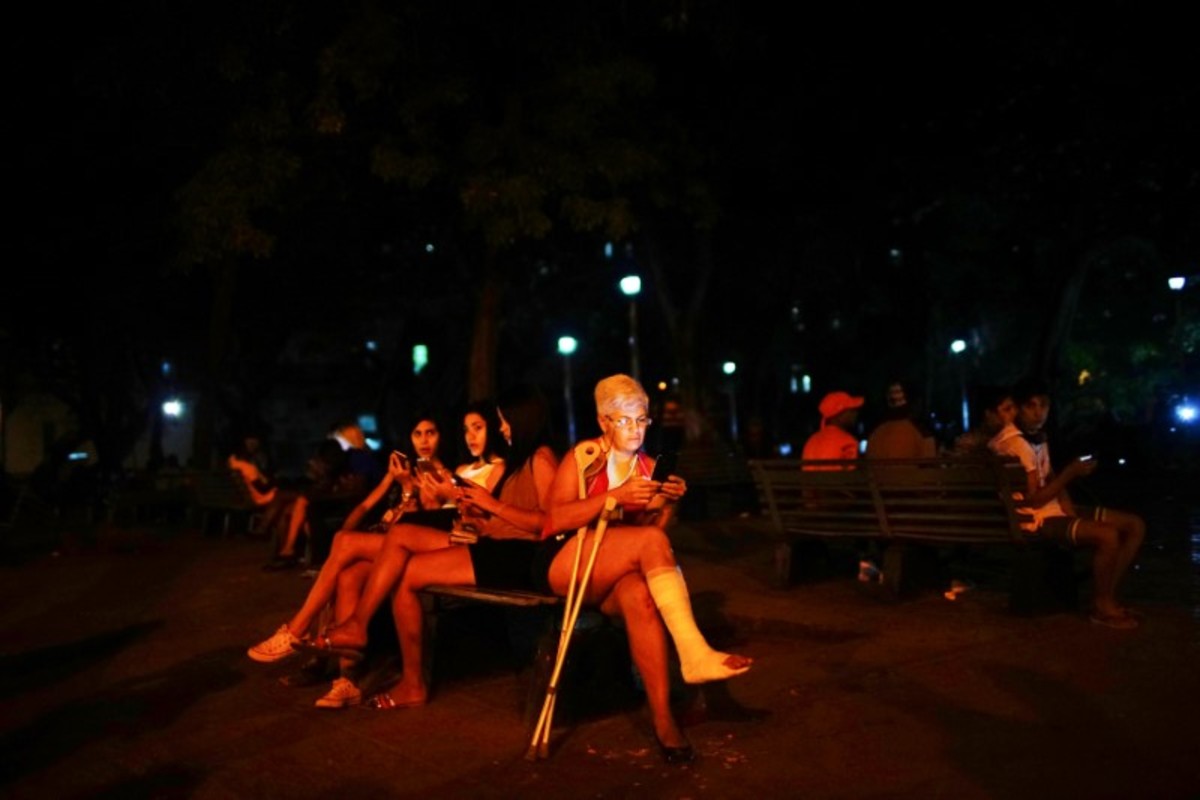
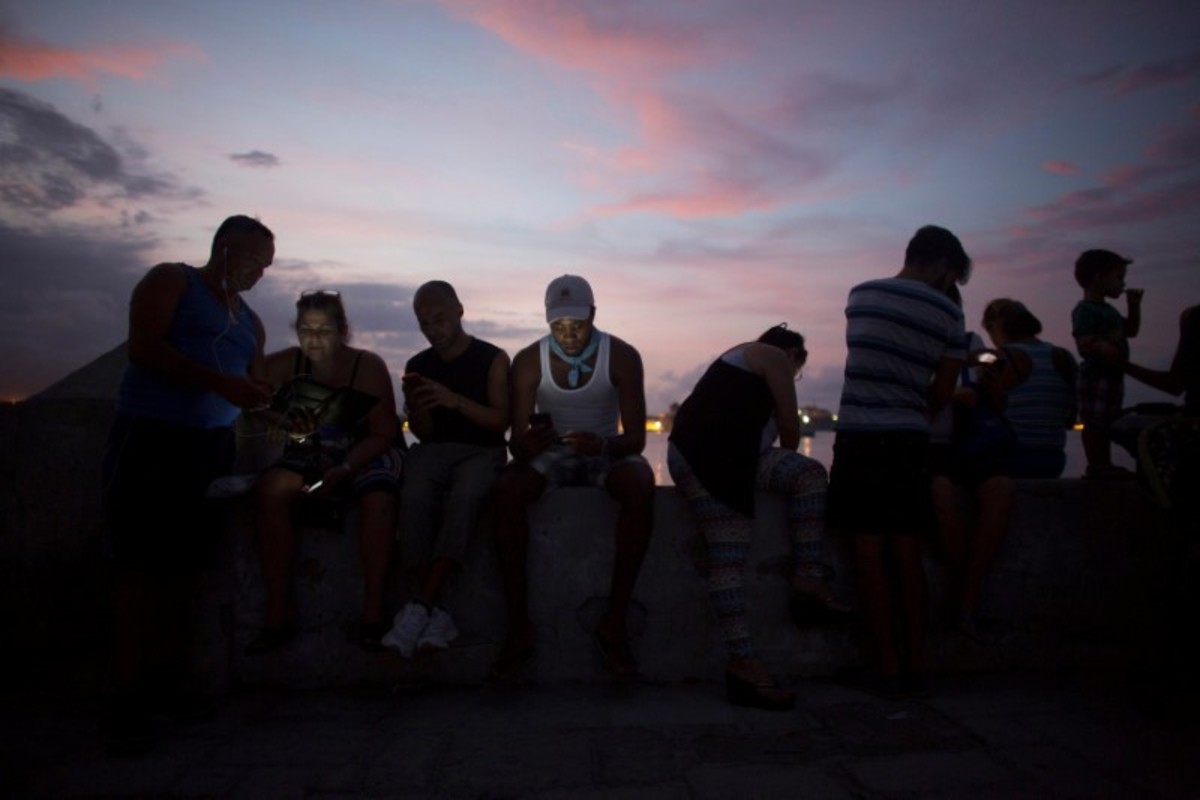
People connect to the internet at a hotspot in Havana, Cuba, January 19, 2017. REUTERS/Alexandre Meneghini

Given the relative expense of connecting to the internet, Cubans use it mostly to stay in touch with relatives and friends. Although prices have dropped, the $1.50 hourly tariff represents 5 percent of the average monthly state salary of $30.

"A lot more could change still," said Sosa. "Why shouldn't we be able to have internet at home?"

A tiny share of homes has had broadband access until now, subject to government permission granted to some professionals such as academics and journalists.
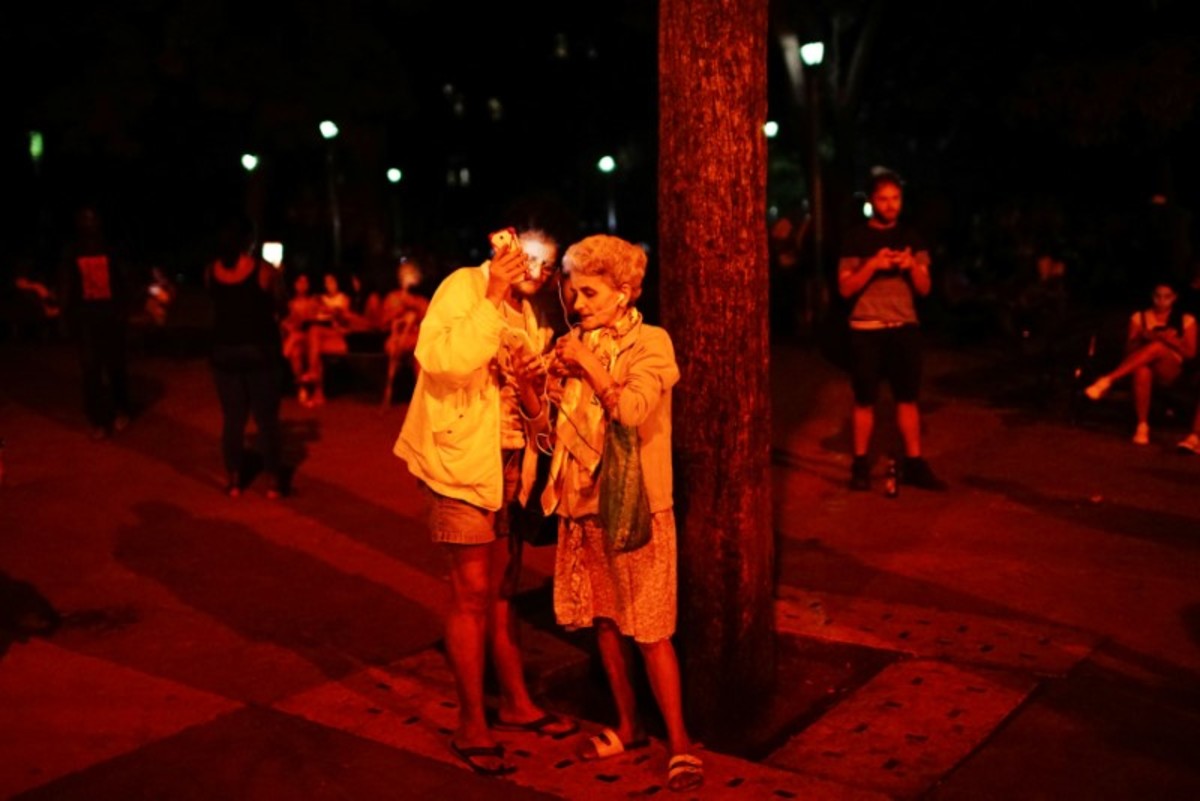
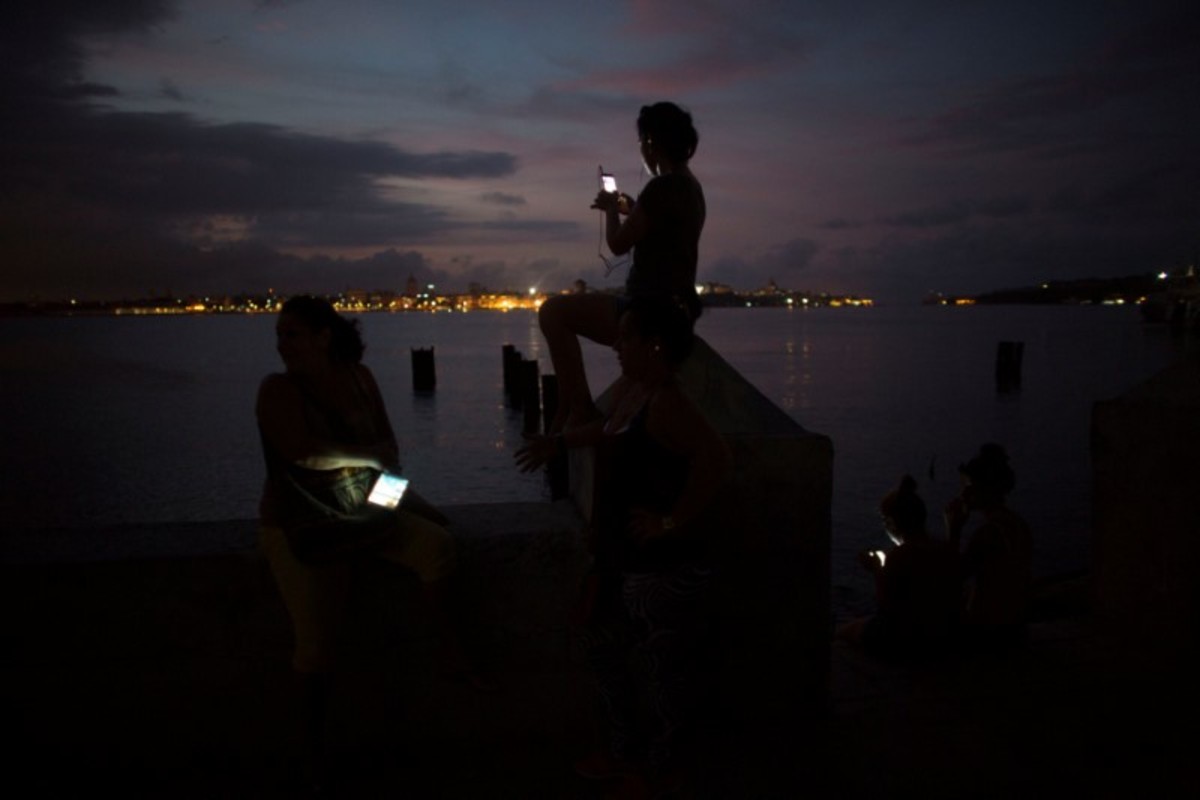
People connect to the internet at a hotspot in Havana, Cuba, January 19, 2017. REUTERS/Alexandre Meneghini

The state telecoms monopoly has vowed to hook up the whole island and connected several hundred Havana homes late last year as a pilot project. In September, it said it would roll that service out nationwide by the end of 2017.

Cubans say previous promises for such access have not been fulfilled, so their expectations are not high. They also say the cost is prohibitive, with the cheapest monthly subscription priced at $15.

Havana says it has been slow to develop network infrastructure because of high costs, attributed partly to the U.S. trade embargo. Critics say the government fears losing control.
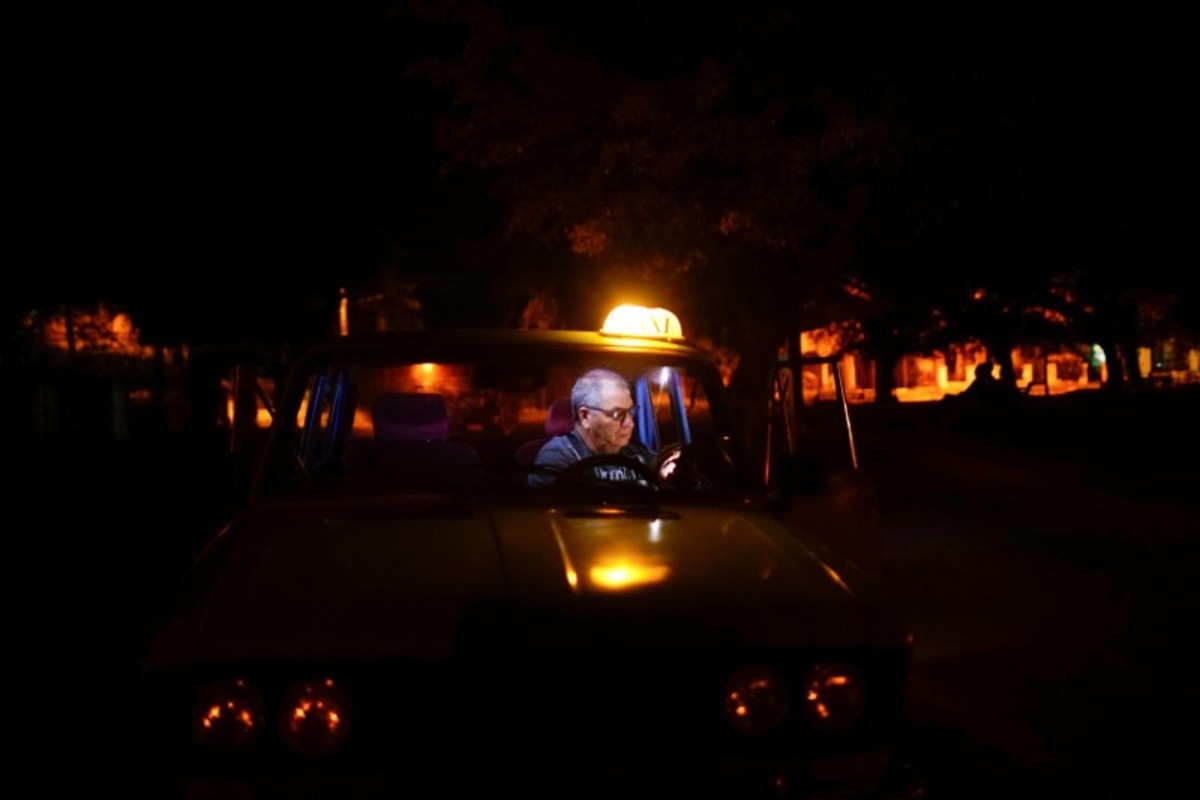
Taxi driver Rene Almeida speaks to relatives living in the United States on a video call inside his cab at an internet hotspot in Havana, Cuba, September 24, 2017. The dome light is on to provide better lighting for the video call. REUTERS/Alexandre Meneghini

Cubans who can afford it flock to Internet cafes and 432 outdoor hotspots where they brave ants, mosquitoes and the elements.

Here they laugh, cry, shout, and whisper. Black market vendors weave in and out among them, trying to hawk pre-paid scratchcards allowing Wi-Fi access. The ping of incoming messages and ring of calls fill the air.

"There's absolutely no privacy here," said Daniel Hernandez, 26, a tourist guide, after video chatting with his girlfriend in Britain.
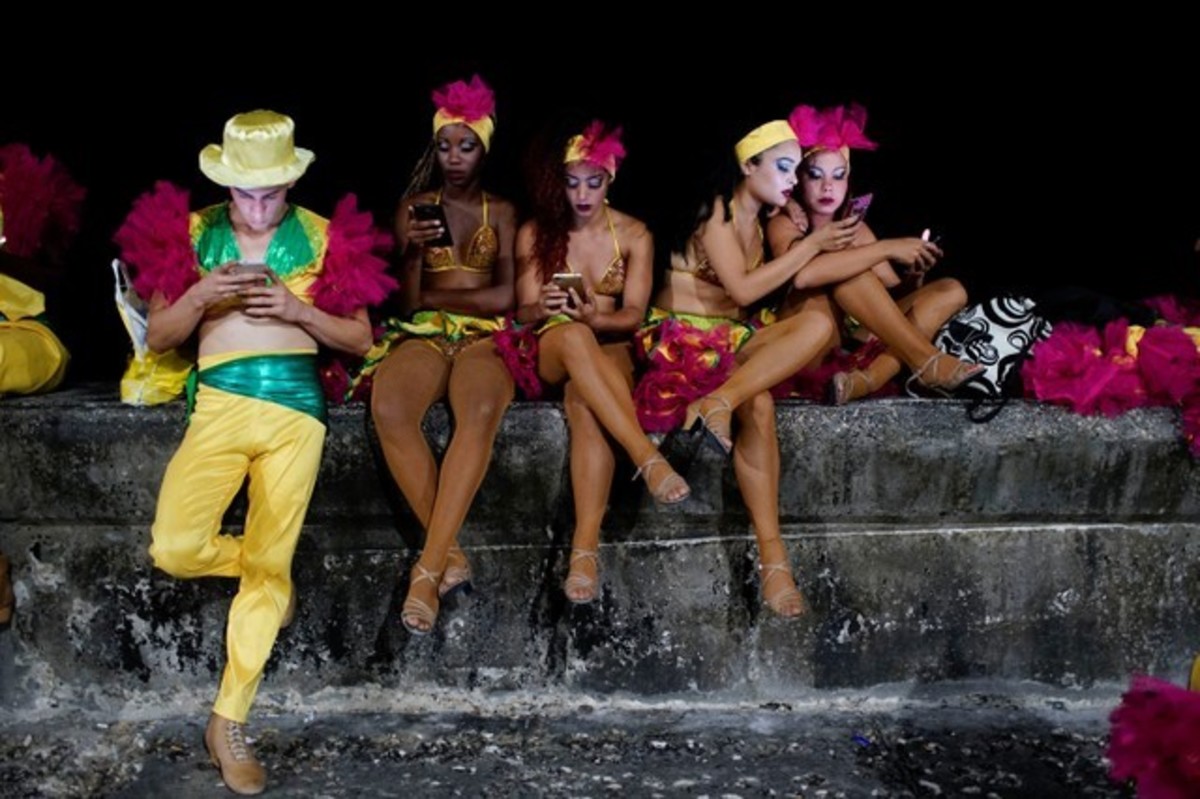
Dancers use an internet hotspot before performing at the Carnival of Havana, Cuba, August 18, 2017. REUTERS/Alexandre Meneghini

"When I have sensitive things to talk about, I try shutting myself into my car and talking quietly."

The quality of connections is often good only at specific spots, he said, and when fewer users are connected. Otherwise, the screen tends to freeze mid-chat.

Hernandez said he also uses the internet to search for news. In Cuba, the state has the monopoly on print and broadcast media.
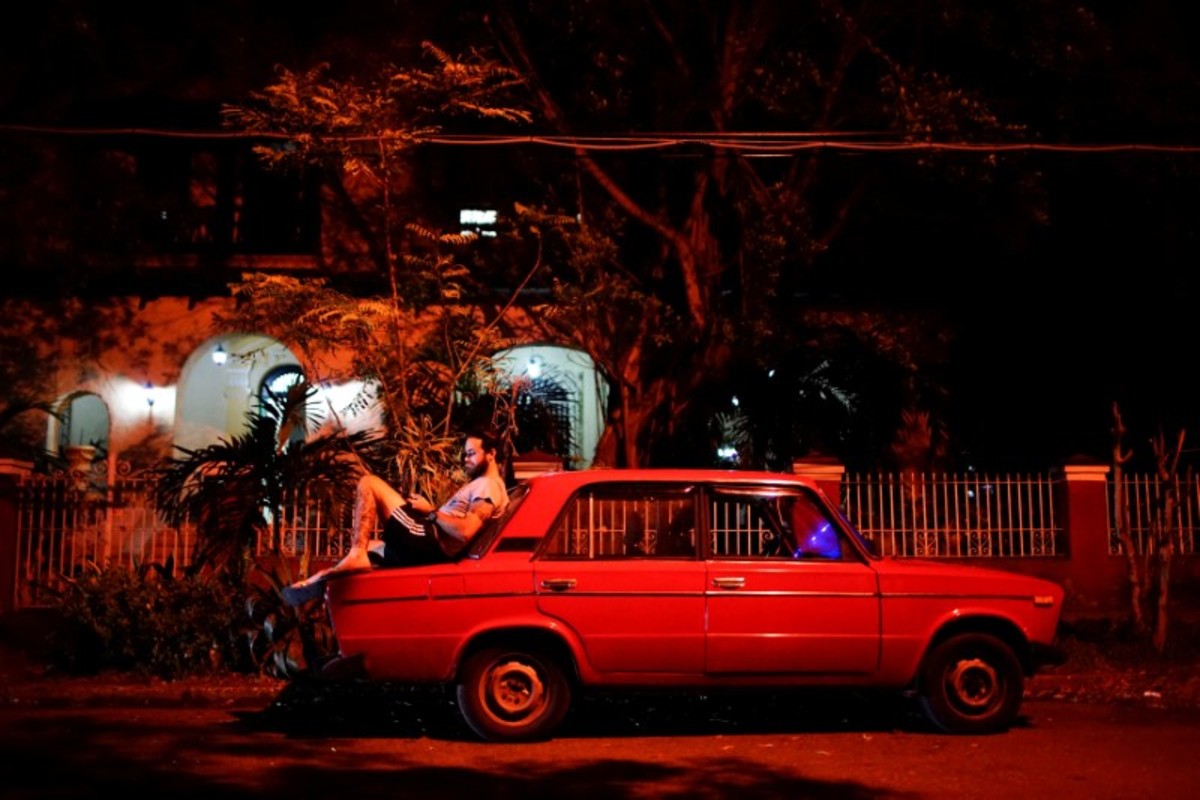
Tourist guide Daniel Hernandez, 26, sits on his Russian-made car as he speaks to his girlfriend who lives in Britain, at an internet hotspot in Havana, Cuba, September 24, 2017. REUTERS/Alexandre Meneghini

A few meters further on, Rene Almeida, 62, sat in his taxi checking email. He said he felt lucky that his two children had moved to the United States where communications are better than ever. It was only in 2008 that the government first allowed Cubans to own cell phones.

He, too, complained of the lack of privacy and the expense.

"It's better than nothing," he said. "But it should improve. It will."

A woman sits on a vintage car as she uses an internet hotspot in Havana, Cuba, August 5, 2017. REUTERS/Alexandre Meneghini

(Reporting by Alexandre Meneghini and Sarah Marsh, Editing by Rosalba O'Brien)
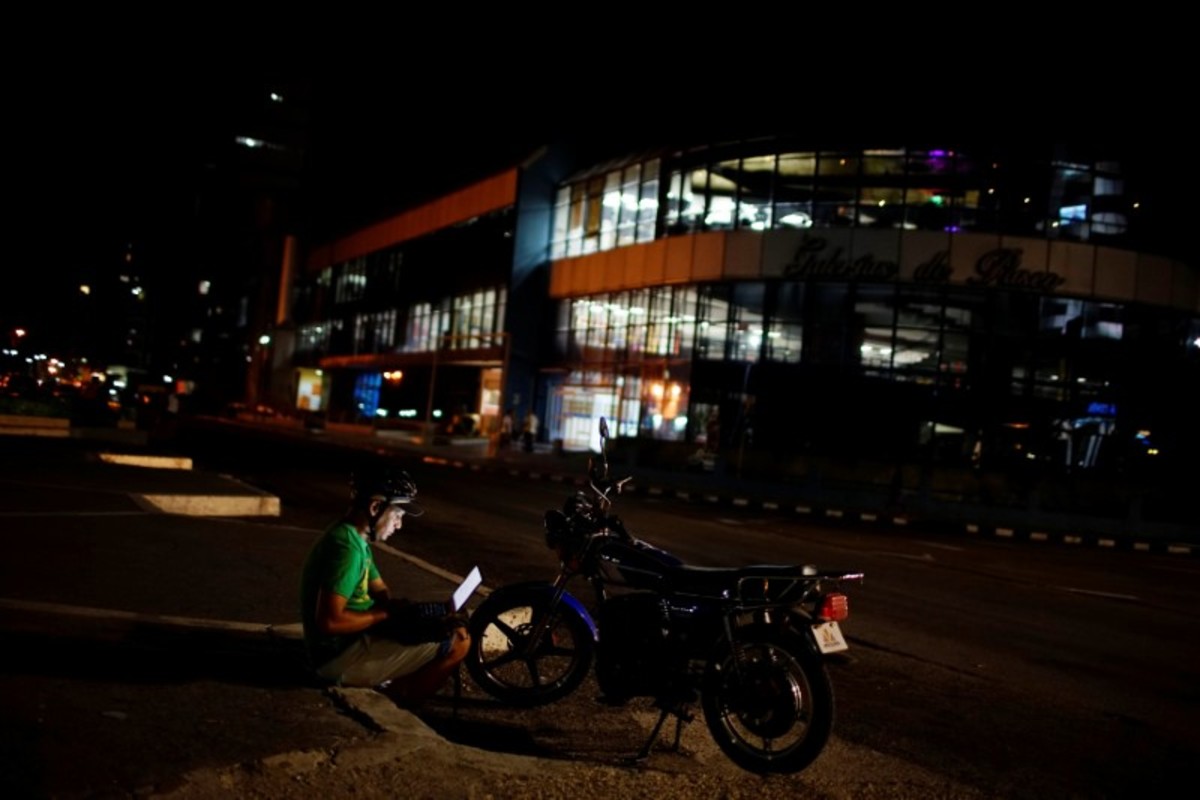
A man connects to the internet at a hotspot in Havana, Cuba, August 16, 2017. REUTERS/Alexandre Meneghini
People connect to the internet at a hotspot in Havana, Cuba, August 16, 2017. REUTERS/Alexandre Meneghini
People connect to the internet at a hotspot in Havana, Cuba, September 12, 2016. REUTERS/Alexandre Meneghini
People connect to the internet at a hotspot in Regla, Cuba, November 19, 2015. REUTERS/Alexandre Meneghini
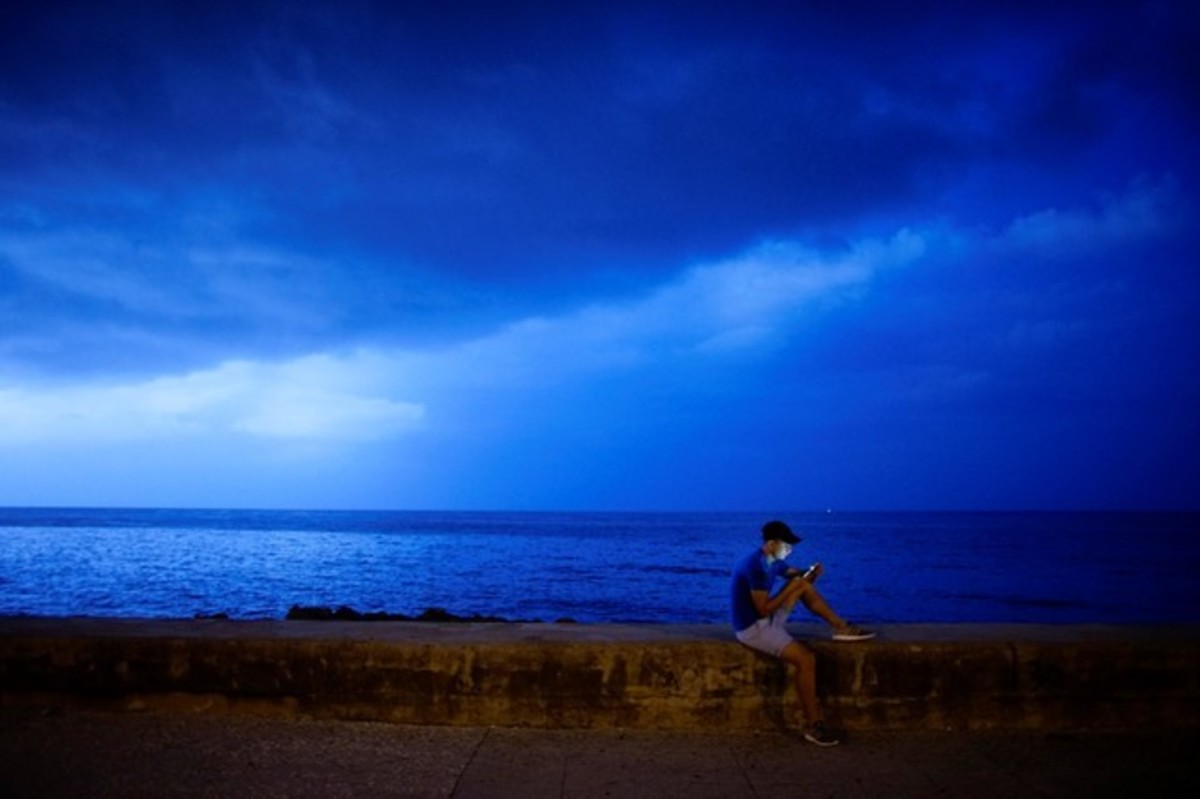
A man connects to an internet hotspot at the sea front at the Malecon in Havana, Cuba, August 4, 2017. REUTERS/Alexandre Meneghini
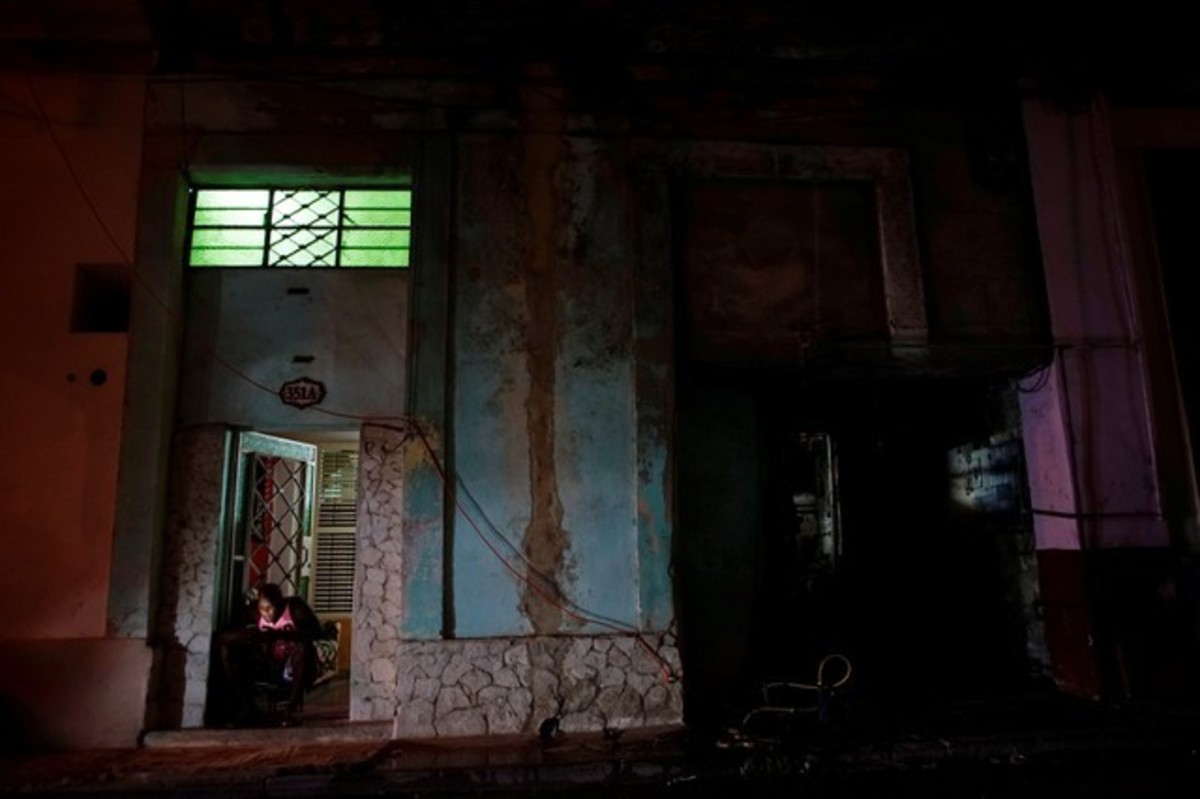
A man sits on his doorstep to connect to a nearby internet hotspot in Havana, Cuba, August 7, 2017. REUTERS/Alexandre Meneghini
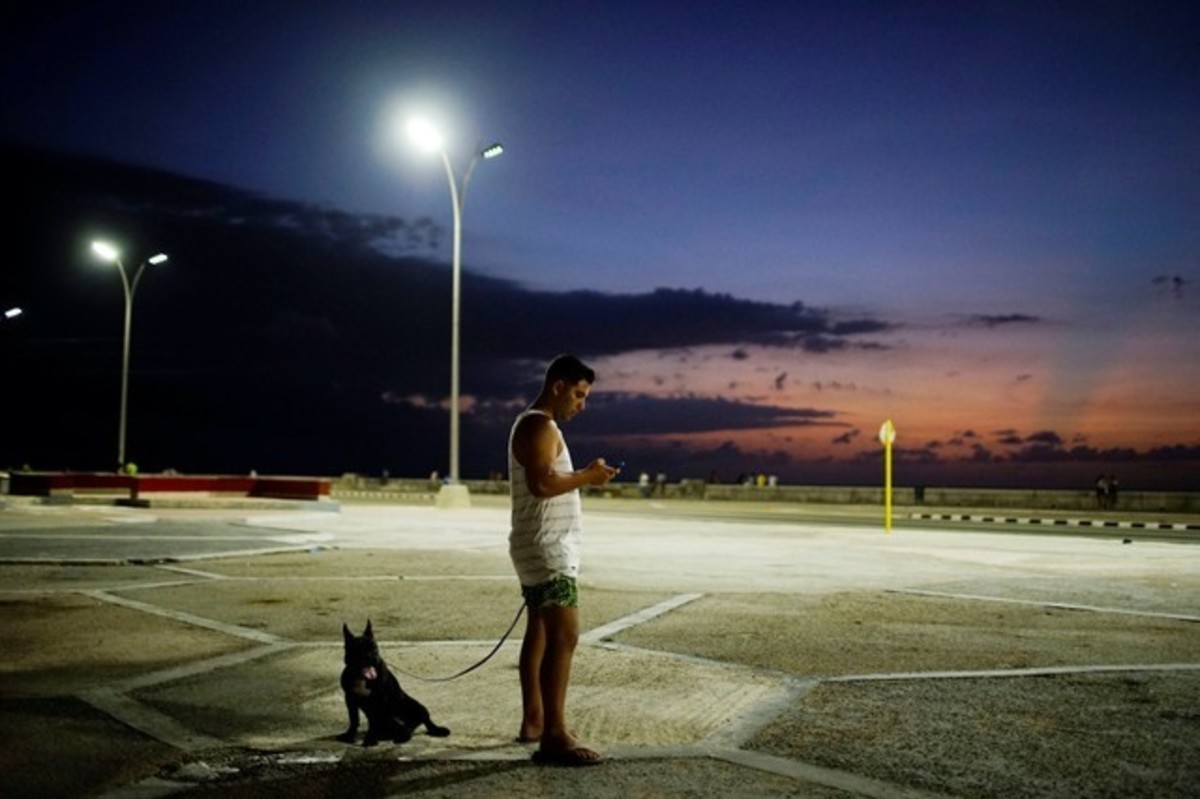
Doctor Alejandro Soto stands with his dog Coco as he connects to an internet hotspot in Havana, Cuba, August 16, 2017. REUTERS/Alexandre Meneghini
People connect to the internet at a hotspot in Ciego de Avila, Cuba, May 4, 2017. REUTERS/Alexandre Meneghini
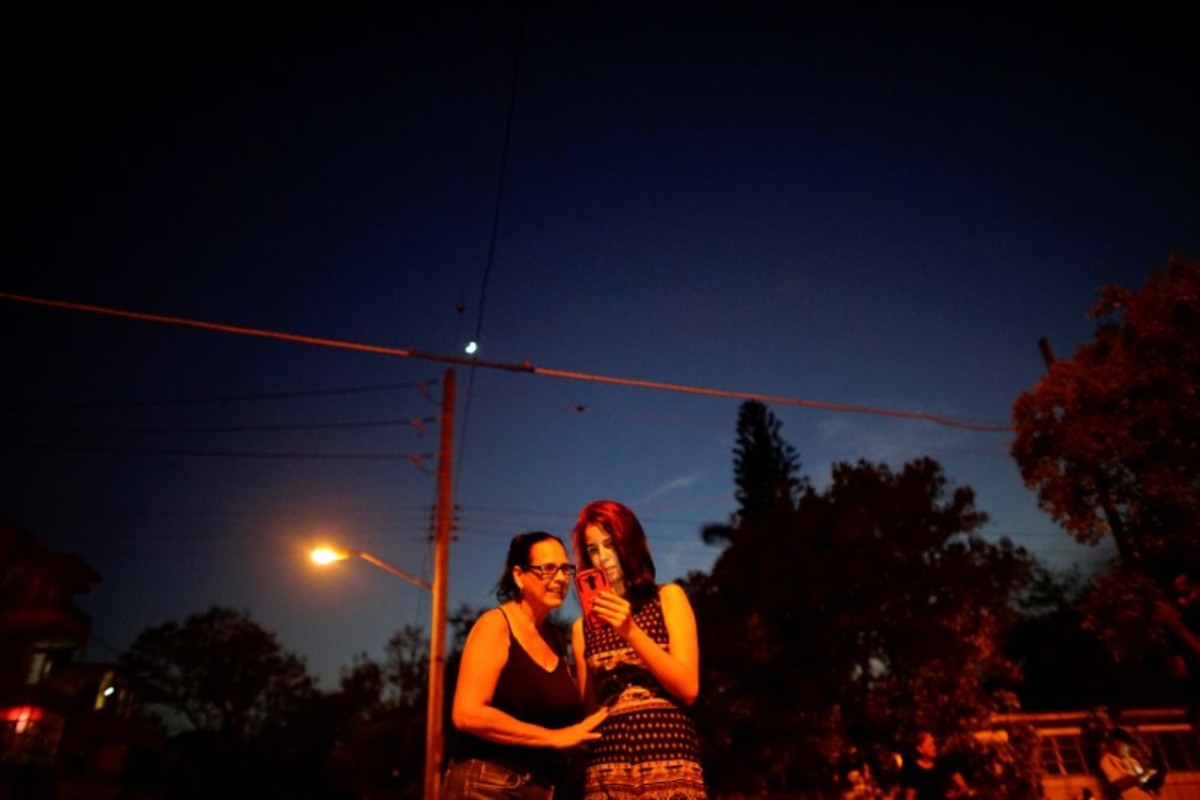
Claudia Espinosa, 20 (R), and her mother Maribel Sosa, speak to relatives living in the United States at an internet hotspot in Havana, Cuba, September 24, 2017. REUTERS/Alexandre Meneghini
Young people connect to the internet at a hotspot in Havana, Cuba, July 6, 2016. REUTERS/Alexandre Meneghini
People connect to the internet at a hotspot in Havana, Cuba, November 22, 2015. REUTERS/Alexandre Meneghini
Gabriela Monteiro (R), 16, and Gisele Rodriguez, 15, use the internet at a hotspot in Havana, Cuba, September 12, 2016. REUTERS/Alexandre Meneghini
People connect to the internet at a hotspot in Havana, Cuba, January 19, 2017. REUTERS/Alexandre Meneghini
People connect to the internet at a hotspot in Havana, Cuba, February 3, 2017. REUTERS/Alexandre Meneghini
Sign up to read this article
Read news from 100’s of titles, curated specifically for you.
Already a member? Sign in here
Related Stories
Top stories on inkl right now
One subscription that gives you access to news from hundreds of sites
Already a member? Sign in here
Our Picks
Fourteen days free
Download the app
One app. One membership.
100+ trusted global sources.